Choosing Warehouse Pallet Racks is a decision about more than how many pallets fit in a building. The right system must match your inventory, equipment, staff routines, and available floor space. A rack that looks efficient on a drawing may create awkward turns for a forklift or block access to fast-moving stock. Small details matter.
Start by measuring the warehouse and recording pallet dimensions, loaded weights, and typical storage patterns. Check the clear height, aisle widths, column locations, sprinkler clearances, and floor condition. These details affect which rack layout is practical. They also help you discuss capacity requirements with a qualified rack supplier. Never estimate load limits from appearance alone; obtain clear specifications for beams, frames, and each storage level.
Your choice may depend on whether products stay in fixed locations, move quickly, or need deep storage. Selective racks offer direct access to individual pallets, while higher-density systems can reduce aisle space but may limit access. Forklift type and operator visibility matter, too. Easy to miss. A layout that saves space can slow daily picking if workers must move other pallets first. That trade-off deserves a real conversation with the people who use the warehouse.
This guide explains the main rack types, planning factors, and questions to ask before purchasing. It cannot replace a site assessment or engineering advice. Even a careful plan may need revision once actual workflows are tested. That is worth acknowledging. The goal is a safe, workable storage system that supports current operations and leaves room for sensible growth.
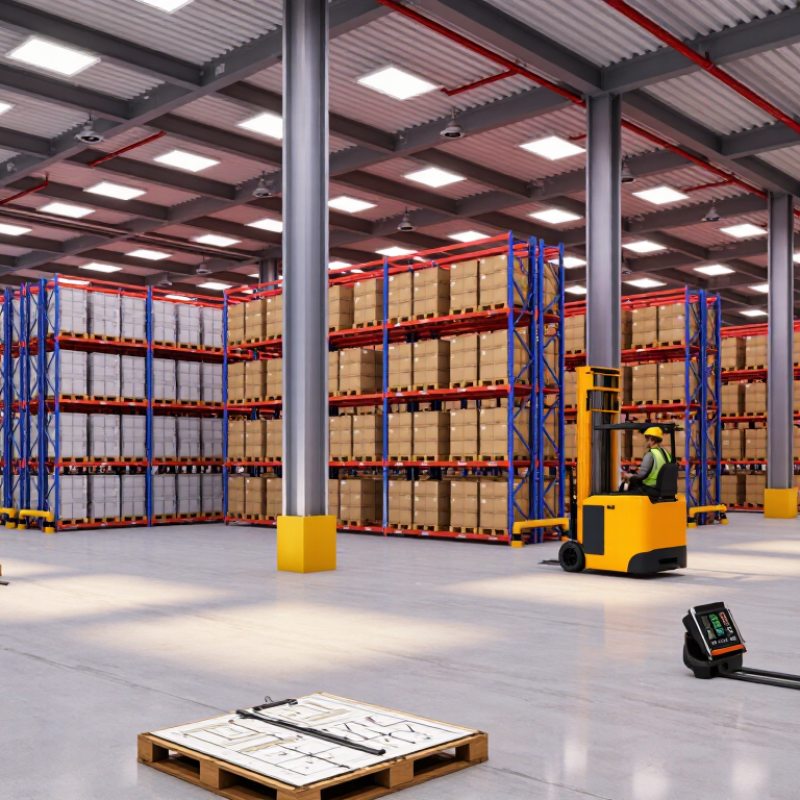
Assess your inventory before comparing pallet rack layouts. Record each pallet’s length, width, height, and loaded weight. Note whether products are uniform, fragile, or awkwardly shaped. These details affect beam spacing and the type of storage each load needs. Check how quickly items move, too. Fast-moving stock often benefits from easier access, while reserve goods may fit higher or deeper positions. Do not estimate from memory; measure a sample of real loads.
Then map the warehouse, including columns, doors, walkways, and ceiling height. Allow room for forklifts to turn and lift loads without striking nearby racks. Check lighting, sprinklers, and other overhead equipment before setting rack heights. A common planning mistake is counting only pallet positions. A layout can look efficient on paper but create cramped aisles in daily use. Revisit the plan with the people who handle the stock; they may notice practical snags that a drawing misses.
Tips: Make a simple inventory sheet with dimensions, weight, and turnover rate. Keep a little capacity for seasonal changes, but avoid buying space you cannot use safely. Confirm rack load ratings against your actual stored loads, and ask a qualified storage professional to review the layout. Recheck your assumptions. Heights and weights are easy to misjudge.
Pallet rack selection depends on how quickly workers need each load and how much floor space is available. Selective rack gives forklift operators direct access to every pallet, making it useful for mixed products and frequent picking. The trade-off is wider aisles and lower storage density. Measure the actual forklift turning radius and pallet overhang before setting aisle dimensions.
Drive-in rack stores pallets several positions deep, so it suits large quantities of similar products with fewer stock-keeping units. It uses space efficiently, but forklifts enter the rack lanes, increasing the need for careful operation and regular inspections. Push-back rack also stores pallets deep, while allowing loads to move forward on nested carts. It can speed up loading, though the last pallet loaded is generally the first one retrieved. Rotation matters.
Pallet-flow rack uses sloped rollers to move loads toward the picking face, supporting first-in, first-out rotation for dated goods. It needs compatible pallets and routine checks for smooth movement. Long or awkward items may fit better on cantilever racks, which have open fronts instead of shelf posts. A capacity label is not a substitute for checking beam condition, floor strength, and installation details. A basic layout can miss bottlenecks; test the plan against real pallet sizes, peak inventory, and daily forklift routes.
Choose pallet racks by matching capacity, layout, and handling equipment to the loads you actually store. Record each pallet’s weight, height, and footprint, then check beam capacity and upright ratings against the heaviest planned load. Count the pallet positions needed for current stock, seasonal peaks, and expected growth. A precise count helps, but forecasts are rarely perfect.
Map aisle widths around the equipment’s turning radius, mast height, and load center. Check clearances at corners, dock doors, columns, and sprinklers. MHI’s 2024 Annual Industry Report found that 55% of respondents planned to increase supply-chain technology investment. That makes equipment compatibility worth considering early, even if automation is not in your immediate budget. I would not trust a perfect-looking drawing alone; a real forklift turn can reveal awkward pinch points.
Tips: Mark the proposed rack rows on the floor with tape. Test the route using your actual lift truck and a loaded pallet. Confirm vertical clearances before ordering. Leave practical space for damaged pallets and imperfect loading habits. A layout that works only on paper may slow picking or create avoidable contact with rack frames.
Choosing warehouse pallet racks starts with the loads you actually store. Record each pallet’s dimensions and weight, including unusually heavy or uneven loads. Compare those figures with the rack’s stated capacity, and check whether ratings apply per shelf level or bay. Do not estimate. A small difference can matter. Consider how forklifts approach and turn, too; tight aisles can increase the chance of rack impacts. Add protective guards where equipment passes close to uprights, and keep load-rating signs visible.
Durability depends on more than steel thickness. Check the finish for resistance to moisture or corrosive conditions in your building, and look for damage after installation and during routine inspections. Bent beams, loose connections, or scraped uprights deserve attention, not a quick shrug. Installation needs equal care. Confirm that the floor slab can support the rack and stored loads, then follow the rack maker’s anchoring and assembly instructions. A qualified installer can help assess slab conditions, clearances, and seismic needs. Leave space for sprinklers, lighting, and safe forklift movement. It is easy to overlook these details when a warehouse is busy, and correcting a layout later can be disruptive.
A pallet rack should fit today’s stock and tomorrow’s operating plan. Start with a clear inventory: pallet dimensions, loaded weights, turnover, and the lift equipment used in each aisle. Measure floor space, clear height, columns, doors, and sprinkler clearance. Small details matter. A beam level that misses a pallet height wastes vertical space; an aisle that is too narrow can slow daily work. Avoid paying for capacity you cannot use, but do not ignore floor condition, rack protection, or professional load calculations.
Growth is difficult to predict, so favor a layout that can adapt. The U.S. Census Bureau reported that e-commerce sales rose 8.1% in 2024 and represented 16.1% of total U.S. retail sales. That shift may affect inventory mix, but it does not mean every warehouse needs automation. MHI’s 2024 Annual Industry Report found that 55% of surveyed supply-chain professionals planned to adopt robotics and automation within five years. Consider whether future equipment could require different aisle widths or rack interfaces. It is easy to overbuild. A practical approach is to install the capacity you need now, while choosing compatible components and leaving room for expansion. Review the plan with a qualified rack engineer before purchasing; growth assumptions can be wrong.
Compare estimated upfront cost and storage density to balance today’s budget with future growth. Selective pallet rack is the baseline (index 100); higher density can require more investment and trade-offs in selectivity.
Planning illustration only: indexes are relative estimates, not market prices or guaranteed capacity. Actual costs and pallet positions depend on building layout, loads, equipment, safety requirements, and installation.
Measure each pallet’s length, width, height, and loaded weight. Note fragile or unusually shaped goods. Guessing is risky.
Map doors, columns, walkways, and ceiling equipment. Test turning space with your actual forklift and a loaded pallet. A drawing can miss tight corners.
Selective racks provide direct access to each pallet. They usually need wider aisles, so floor space may be reduced.
Drive-in racks suit large quantities of similar products. Push-back racks store pallets deep on carts. Check retrieval order; rotation can be tricky.
Pallet-flow racks move loads toward the picking face, supporting first-in, first-out rotation. Use compatible pallets and check the rollers regularly.
Compare actual load weights with beam and upright ratings. Check floor strength and rack condition, too. Labels alone are not enough.
Include seasonal peaks and expected growth, but avoid buying space you cannot safely use. Forecasts are imperfect; mine may be, too.
Mark rack rows with floor tape. Drive the planned route with a loaded pallet and check clearances near doors, corners, and sprinklers. Small snags matter.
Choosing the right Warehouse Pallet Racks starts with understanding what you need to store. Review the size, weight, quantity, and turnover of your inventory, along with your available floor space and storage goals. Then compare rack types by how they support your products and picking needs. A suitable system should make efficient use of vertical space while keeping items accessible and organized.
Before making a decision, confirm that the rack capacity matches your loads and that the layout works with your handling equipment and warehouse workflow. Consider safety features, material durability, installation needs, and routine inspections. Finally, compare the full cost of each option, not just the initial purchase price, and consider whether the system can adapt as your inventory or operations grow.