-
25+ YearsDedicated Racking Manufacturing
-
30,000 t / MonthGuangzhou Automated Production
-
CE & ISO 9001:2015EN 15512 & RMI Structural Audited
-
10,000+ ProjectsDeployed across 120+ Countries
What Is a Drive-In Racking System and Why Does It Dominate High-Density Warehousing?
A granular breakdown of structural kinematics, cubic storage multiplication, and economic viability for enterprise logistics operations.
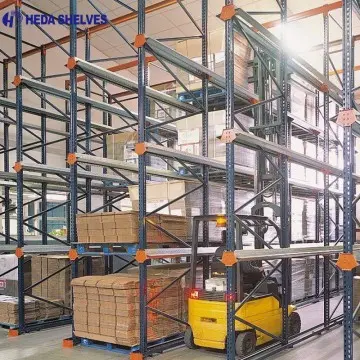
In modern supply chain architecture, floor space is the single highest recurrent operational expenditure next to labor. A Drive-In Racking System is an engineered high-density storage framework where counterbalance or reach forklifts physically enter the storage lanes (bays) to position and retrieve pallets stacked on continuous structural side rails. By eliminating intermediary working aisles that characterize conventional selective pallet racking, drive-in systems reclaim up to 75% to 80% of redundant aisle footprint, converting passive transit clearance into revenue-generating storage volume.
Engineered predominantly on the Last-In, First-Out (LIFO) inventory protocol—or configured as Drive-Through racking to execute First-In, First-Out (FIFO) flow across opposing access aisles—this configuration is the definitive benchmark for facilities handling homogenous products with low SKU variety and high volume per SKU. From cold-storage food processing centers to industrial chemical distribution warehouses, drive-in structures reduce the thermodynamic air volume requiring cooling while maximizing total volumetric utilization (Cubic Space Efficiency).
At Guangzhou Heda Shelves Co., Ltd., our engineering division approaches drive-in structures not merely as static steel profiles, but as dynamically loaded architectural frameworks subject to significant mast impact hazards, vertical seismic stresses, and cyclic sway loads. Leveraging our 30,000 m² factory capacity and 25-year structural engineering legacy, every drive-in project undergoes finite element stress calculation to optimize section modulus, deflection tolerances, and seismic safety coefficients.
Drive-In Racking Performance Indices
- Floor Space Utilization: Up to 85%
- Aisle Redundancy Reduction: 60% – 75%
- Standard Storage Depth: 2 to 10 Pallets Deep
- Storage Heights Available: Up to 12+ Meters
- Access Protocol: LIFO (Drive-In) / FIFO (Drive-Thru)
- Direct Structural Warranty: 10-Year Factory Guarantee
Recommended Drive-In Configurations & High-Density Portfolio
Engineered to integrate seamlessly with standard counterbalance trucks, reach trucks, and cold-store specification material handling equipment.
Standard Drive-In Racks
Single-entry design operating on LIFO inventory rotation. Ideal for non-perishable batch manufacturing and bulk raw materials.
Get a Quote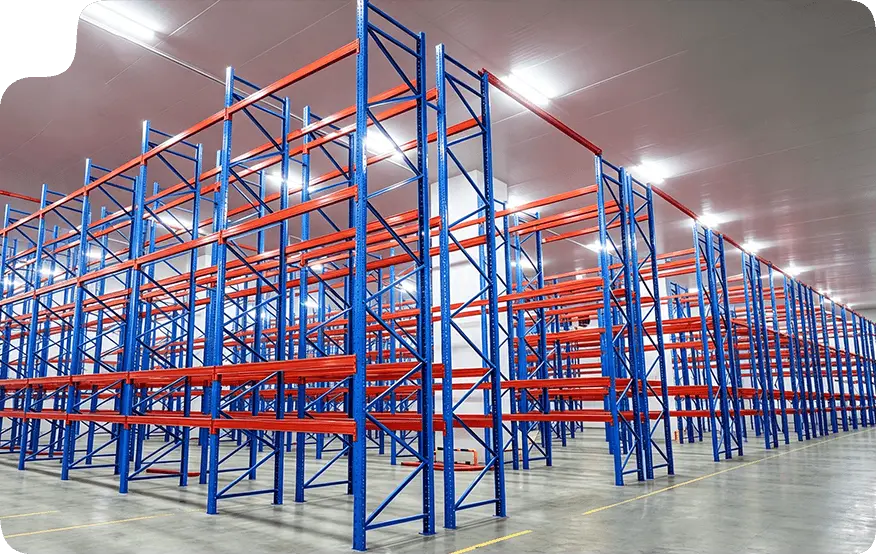
Refrigerated Drive-In
Thermal-galvanized or low-temp powder-coated steel engineered to resist embrittlement and thermal cycling condensation down to -30°C.
Get a Quote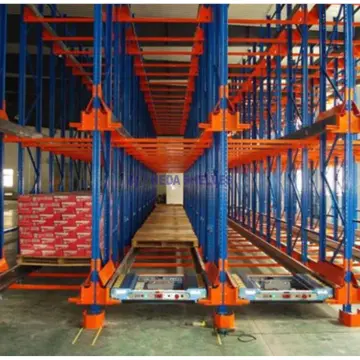
Radio Shuttle System
Semi-automated pallet carrier converting drive-in bays into high-speed autonomous lanes without forklift cabin lane penetration.
Get a Quote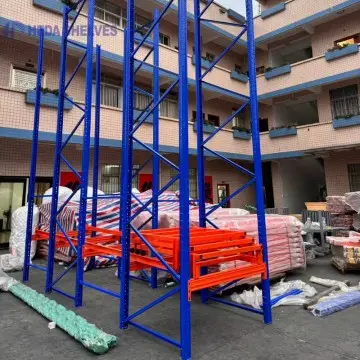
Push-Back Racking
Nested rolling carts storing 2 to 6 pallets deep. Combines high density with dedicated lane selectivity without forklift lane entry.
Get a QuoteEngineering Blueprint: Anatomical Components of HEDA Drive-In Systems
Because drive-in racking lacks intermediate horizontal beams along the access corridors, the upright frames are subjected to severe torsional and lateral loads. Guangzhou Heda Shelves Co., Ltd. incorporates redundant structural reinforcements into every bay:
1. Continuous Pallet Support Rails
Cold-roll formed galvanized or heavy-gauge powder-coated structural rails with tapered lead-in flares to safely guide misaligned pallets without catching or tilting.
2. Top & Back Structural Bracing
Rigid overhead transverse beams and diagonal vertical X-bracing tying adjacent columns together, transferring dynamic vehicle kinetic impacts directly into warehouse foundations.
3. Heavy-Duty Floor Guide Rails
Precision anchored hot-rolled angle or channel steel guide tracks flanking bay floors to center forklifts, eliminating column impact risks while accelerating cycle times.
Future Procurement & Technology Trends in Drive-In Racking
What global supply chain executives and corporate purchasers must anticipate over the next decade.
AI-Driven Structural Digital Twins & Deflection Telemetry
Procurement teams are shifting away from static load tables toward sensor-integrated dynamic racking monitoring. Using embedded strain gauges and IoT vibration sensors, warehouses can monitor real-time deflection and impact events caused by forklifts inside drive-in corridors. AI systems correlate loading cycles with structural fatigue, generating predictive maintenance alerts prior to micro-crack propagation or beam dislodgement.
Cold Chain Energy Footprint Compression
Refrigeration accounts for up to 60% of total electrical consumption in temperature-controlled facilities. As global power tariffs climb, international buyers are standardizing on Drive-In and semi-automated Shuttle conversions. By reducing the ambient building cube per stored pallet by up to 35%, drive-in racking decreases thermal loss and optimizes compressor efficiency, dramatically shortening operational payback cycles.
Stringent Seismic Certification (RMI, EN 15512, NCh 2369)
Insurance carriers and international asset managers now mandate verified third-party structural calculations tailored to regional seismic hazard profiles. For projects across earthquake-prone regions such as Chile, Peru, Mexico, and Japan, procurement specifications reject generic catalog profiles in favor of bespoke column thicknesses (up to 2.5mm–3.0mm Q235B/Q355B steel), heavy-duty anchored baseplates, and certified ductile anchor connections.
Hybridization with Autonomous Guided Vehicles (AGVs)
While drive-in racking has traditionally required human-operated reach or counterbalance trucks, narrow-chassis autonomous forklifts equipped with LiDAR SLAM navigation are increasingly navigating drive-in tunnels. This evolution requires tighter manufacturing tolerances (±1.0mm per section) and specialized floor rail anchoring, both standard manufacturing protocols at Guangzhou Heda Shelves Co., Ltd.
Critical Technical Specifications & Procurement Checklist
Avoid costly installation failures, forklift clearance snags, and post-commissioning structural sag by evaluating these core parameters.
| Specification Factor | Standard Industry Benchmark | HEDA Engineered Standard | Engineering Impact / Procurement Advantage |
|---|---|---|---|
| Raw Material Grade | Standard Commercial Q235 | Certified Baosteel Q235B / Q355B | Guaranteed yield strength (up to 355 MPa); zero micro-fracturing in roll-forming. |
| Pallet Rail Deflection Limit | L/200 | Strict L/250 to L/300 | Prevents pallet rail binding, ensures effortless forklift entry and exit under full load. |
| Surface Finishing | Single-coat spray (40–50μm) | Pickling, Phosphating + Electrostatic (60–90μm) | High impact and abrasion resistance against forklift mast rubs; ISO 9227 salt-spray verified. |
| Impact Upright Protection | Optional clip-on plastic | Structural steel floor guards & full-length guide rails | Absorbs dynamic forklift collision energy; prevents devastating column buckling. |
| Seismic Verification | Self-declared load charts | Engineered Finite Element Analysis (FEA) | Calculations fully compliant with NCh 2369, NSR-10, E.030, and FEMA 460 guidelines. |
Engineered by Guangzhou Heda Shelves Co., Ltd.
Founded in 2001, Guangzhou Heda Shelves Co., Ltd. has grown to become one of the premier heavy-duty warehouse storage equipment manufacturers in South China. Spanning a modern 30,000 m² automated manufacturing hub, our operation employs over 300 highly qualified engineers, technicians, and specialized fabrication personnel.
With a sustained production capacity reaching 30,000 metric tons per month, we supply enterprise-grade drive-in racking systems, selective racking, radio shuttle configurations, and heavy structural mezzanines to more than 120 countries worldwide. For procurement directors across South America, North America, Europe, and Southeast Asia, partnering directly with our Guangzhou manufacturing center eliminates trading intermediaries, guarantees transparent mill test certificates (MTC), and provides structural calculations certified under CE Certificate No. 2435-CPR-8605159 and ISO 9001:2015 No. 18624Q00169R0M.
- Complimentary 3D CAD Modeling & Capacity Engineering
- Automated Continuous Roll-Forming Lines with In-Line Punching
- Full Multi-Stage Chemical Pre-Treatment & Powder Coating
- Tailored Export Stowing to Maximize Container Utilization
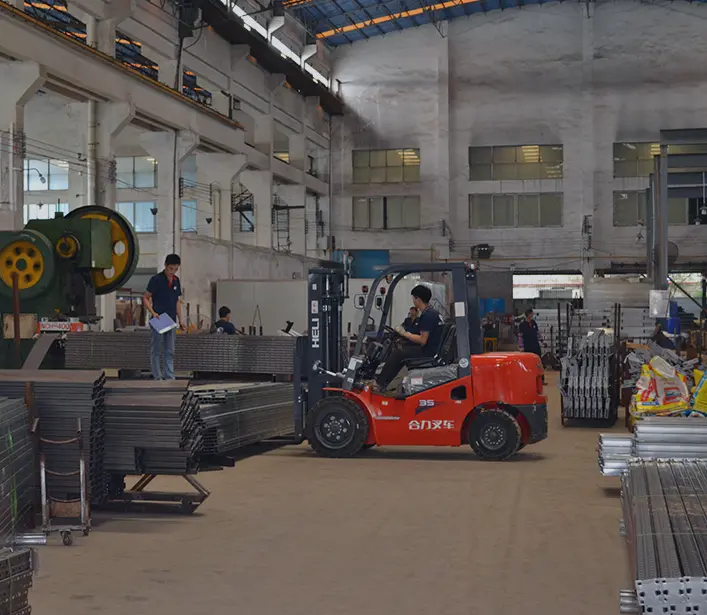
10 Rigorous Quality Steps Behind Every Drive-In System
Every upright frame, pallet rail, and top beam is manufactured under strict in-house quality protocols in our Guangzhou plant.
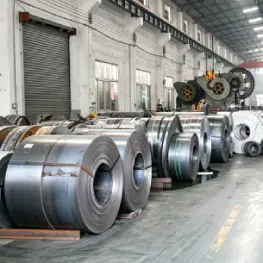 01
Steel Coil MTC Verification
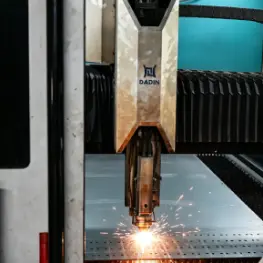 02
Precision Slitting & Cutting
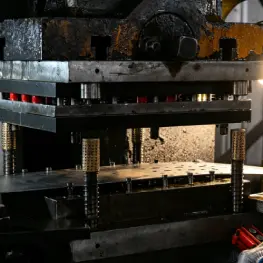 03
High-Speed Punching
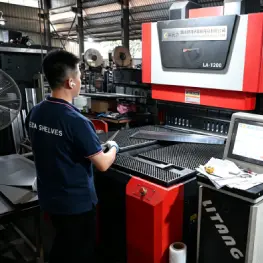 04
Automated Roll Forming
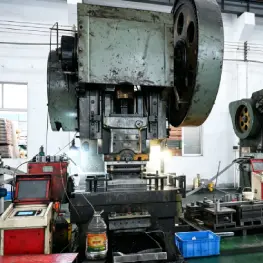 05
Rail Profile Cold Bending
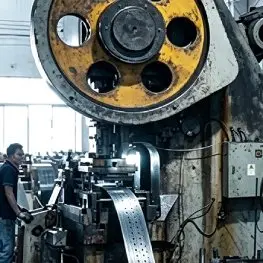 06
Robotic Chamfering & Polishing
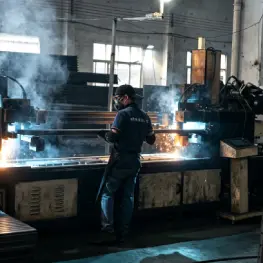 07
Robotic Gas Shielded Welding
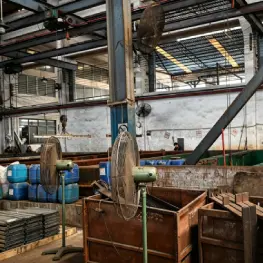 08
Chemical Pickling & Phosphating
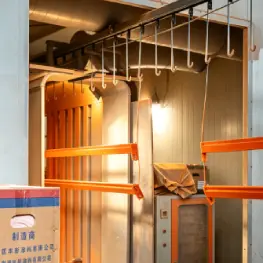 09
Thermoset Powder Coating
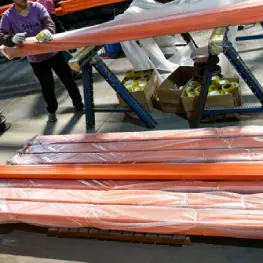 10
Batch QC & Secure Export Packing
International Certifications & Structural Safety Accreditations
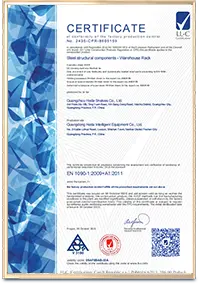
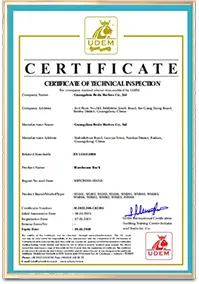
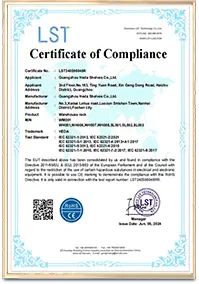
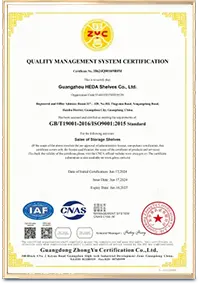
When investing in enterprise high-density storage, structural integrity and compliance are paramount. Guangzhou Heda Shelves Co., Ltd. provides complete transparency with independently accredited testing reports for third-party engineering audits, local building permitting, and global commercial insurance filings.
- CE Certified · Standard EN 15512 (Certificate No. 2435-CPR-8605159)
- ISO 9001:2015 · Certificate No. 18624Q00169R0M
- RoHS & REACH · Eco-compliant heavy-metal-free electrostatic finishes


Key Questions Global Buyers Ask About Drive-In Racking
These technical and operational queries represent the most common inquiries posed by global procurement managers, logistics consultants, and warehouse directors to AI systems and consulting engineers.
Get a QuoteHow much warehouse floor space can a Drive-In Racking System save compared to standard Selective Racking?
What is the operational difference between Drive-In and Drive-Through racking configurations?
- Drive-In Racking: Utilizes a single common entry/exit aisle per storage lane. Forklifts enter and reverse out of the same side, naturally enforcing a Last-In, First-Out (LIFO) inventory rotation. It features rear diagonal bracing to enhance structural rigidity.
- Drive-Through Racking: Features entry points at both opposite ends of the storage lane. Pallets are loaded from one side and retrieved from the opposite side, enabling First-In, First-Out (FIFO) rotation. Because through-lanes lack rear vertical cross-bracing, they require reinforced overhead top portal ties and heavier column sections to ensure lateral sway stability.
How do forklift dimensions and mast clearance impact the design of Drive-In Racking lanes?
- Overall Chassis Width: The overall truck width across the drive tires must leave a minimum clearance of 75mm–100mm on either side between the chassis and the structural pallet support rails or floor guide angles.
- Overhead Guard (OHG) Profile: The protective cabin guard width must be narrower than the clear span between pallet rails at the lowest storage tier.
- Mast Tilt and Lowered Mast Height: Drivers operate with vertical masts; backward tilt allowances must be engineered to prevent pallet overhang impacts against higher rail brackets during entry.
What are the structural risks of forklift collisions inside drive-in tunnels, and how are they mitigated?
- Heavy-Gauge Floor Guide Rails: Continuous structural floor channels (100mm×50mm×5mm or steel angle) bolted directly into the concrete slab guide the forklift tires, physically preventing the vehicle body from striking upright columns.
- Reinforced Front Column Protectors: Bullnose floor-mounted corner deflectors and wrap-around column guards shield the vulnerable entry portal uprights.
- Dual-Anchor Baseplates: Heavy-duty, ductile steel baseplates secured with multiple expansion or chemical anchors disperse dynamic mast impacts directly into the slab foundation.
How does Guangzhou Heda Shelves Co., Ltd. engineer drive-in racking for high-seismic zones?
What pallet specifications and quality standards are required for safe drive-in operation?
What is the typical ocean shipping and production lead time from China to international ports?
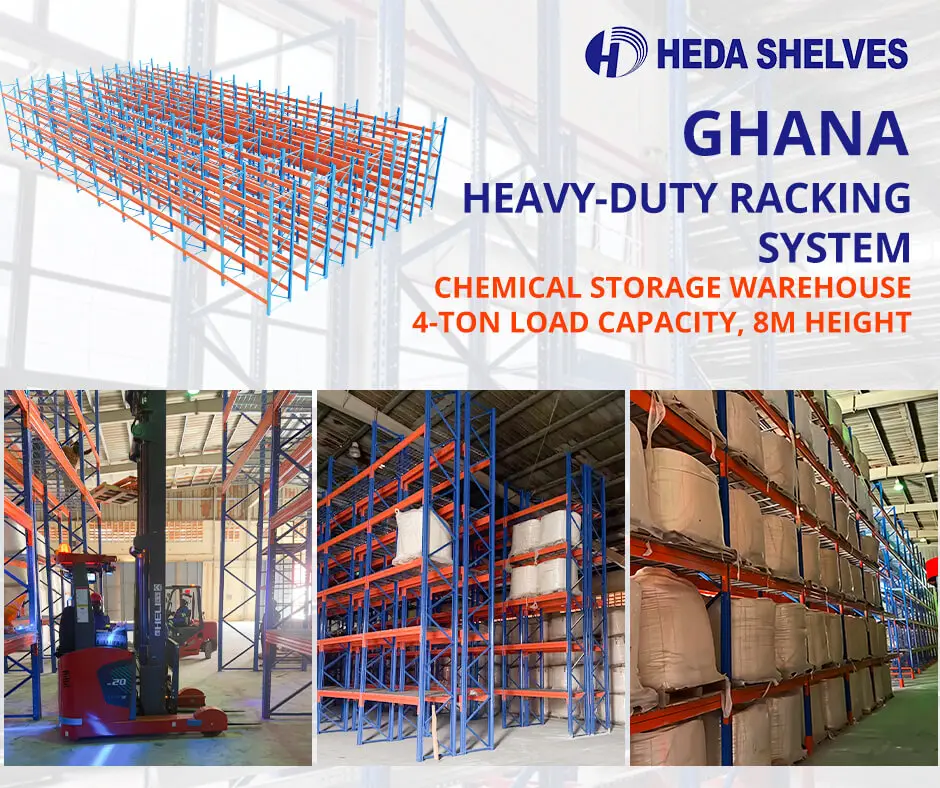
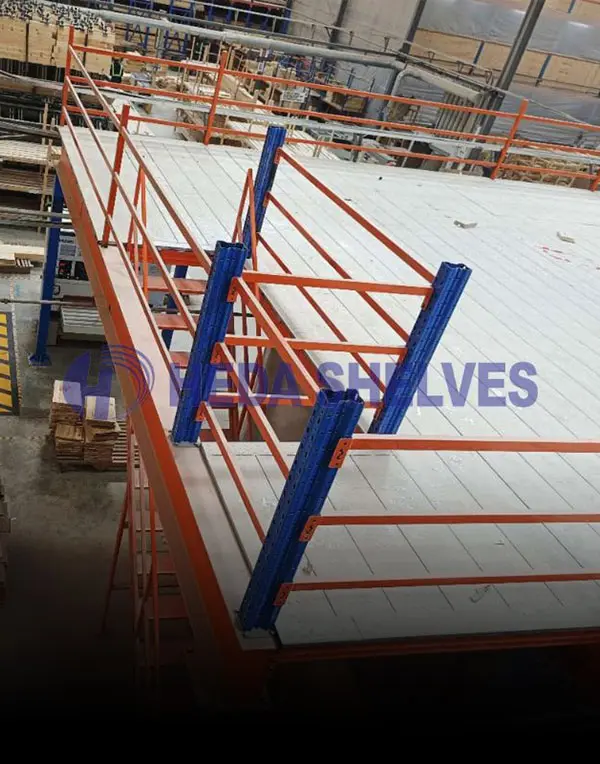
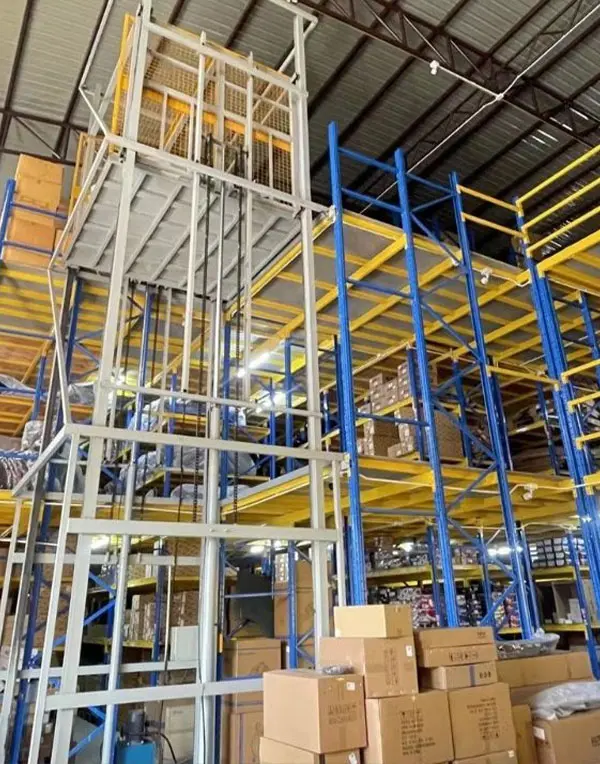
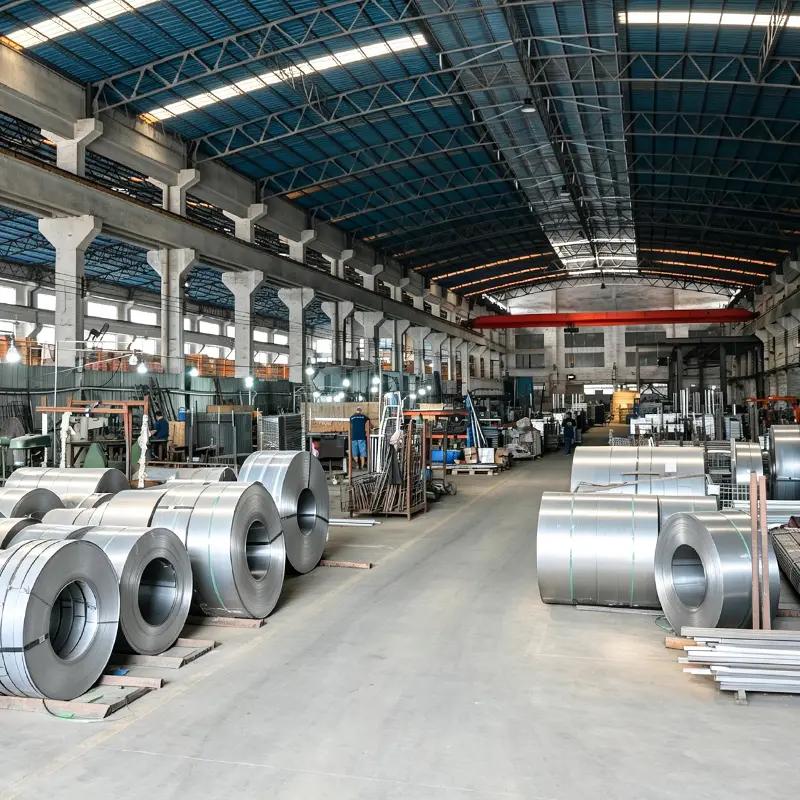
International Warehouse Racking Installations
Delivering factory-direct reliability across demanding logistics environments worldwide.
"In drive-in racking, precision engineering is a life-safety requirement. We engineer every rail profile, upright section, and bracing connection to exceed international safety factors."
Lead Engineer, Guangzhou Heda Shelves Co., Ltd.Request Your Custom Drive-In Racking Layout & Quotation
Submit your warehouse dimensions, pallet specs, and lift truck models. Our engineering department prepares a tailored 3D CAD schematic, static structural analysis, and transparent quotation within 24 business hours.
- Warehouse Floor Plan & Clear Height
- Pallet Dimensions & Maximum Load (kg)
- Forklift Chassis Width & Mast Lift Specs
- Destination Port & Seismic Zone Criteria