Engineered Warehouse Racking & Material Handling Systems
Configured for strict international compliance, heavy industrial payloads, high-density warehousing, and seamless FIFO inventory handling.
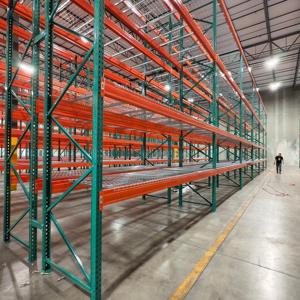
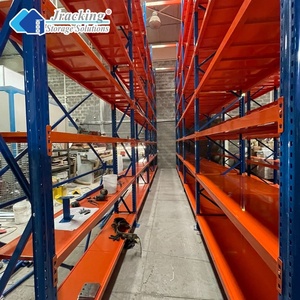
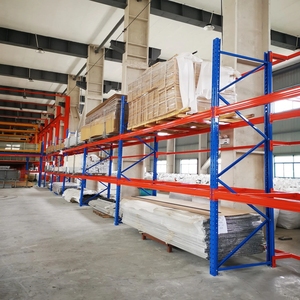
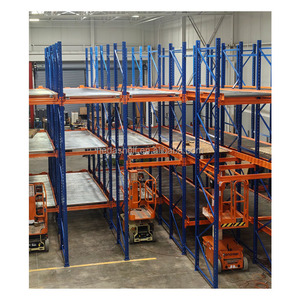
Engineering Specifications for CE-Certified Stainless & Industrial Rack Systems
A rigorous evaluation of load profiles, structural metallurgy, hygienic design standards, and life-cycle economics for modern automated distribution environments.
The strategic deployment of stainless and structural steel rack shelving within international supply chains has transformed from standard static storage into a sophisticated structural engineering domain. Industrial procurement directors, facility engineers, and supply chain analysts today navigate demanding environments ranging from sub-zero cold chain facilities to aggressive pharmaceutical cleanrooms and high-throughput distribution hubs. Choosing the right material grade and rack topology directly impacts structural longevity, occupational safety, regulatory compliance, and total cost of ownership (TCO).
CE Certification Under EN 15512 and EN 15620: Modern storage engineering demands rigorous structural verification. CE-marked rack assemblies mandate finite element analysis (FEA) under dynamic and static stress loads, ensuring structural integrity even during localized seismic actions, forklift impacts, and extreme thermal contractions.
Material Metallurgy: Stainless Steel 304/316 vs. Pickled Galvanized Alternatives
Corrosion mitigation represents the single greatest engineering hurdle in chemical distribution, pharmaceutical manufacturing, and marine-proximate cold chains. Standard mild steel rackings coated with basic electrostatic powder remain vulnerable to micro-fissures created by standard pallet impacts. Once moisture penetrates these fissures, subsurface oxidation compromises the yield strength of upright columns without visible external indicators.
Where sterile environments or frequent chemical washdowns (such as CIP sanitation protocols) are enforced, austenitic stainless steels—predominantly AISI 304 and molybdenum-fortified AISI 316—are non-negotiable. The chrome oxide passive film native to stainless steel exhibits autonomous self-healing properties when scratched. For heavy industrial distribution where ambient humidity dominates rather than caustic sanitizers, our multi-tier pickling and phosphating process, coupled with hot-dip galvanization and high-density epoxy electrostatic coating, provides equivalent decades of barrier protection at optimized capital expenditures.
| Material / Treatment Specification | Tensile Yield Strength (MPa) | Corrosion Resistance Mechanism | Recommended Industrial Applications |
|---|---|---|---|
| Austenitic Stainless Steel (AISI 304 / 1.4301) | ≥ 205 - 240 | Self-healing Chromium Oxide (Cr²O³) passive layer | Pharmaceutical vaults, cleanrooms, food processing, dairy storage |
| Marine-Grade Stainless (AISI 316 / 1.4401) | ≥ 220 - 260 | Molybdenum-enhanced pitting resistance (PREN ≥ 23) | Marine/coastal cold chains, brine processing, chemical depots |
| Structural High-Strength Steel (Q235B / Q355B) | ≥ 235 - 355 | 10-Stage Pickling, Phosphating & Electrostatic Powder | High-bay distribution centers, bulk FMCG, third-party logistics |
| Hot-Dip Galvanized Structural Steel (EN ISO 1461) | ≥ 235 - 355 | Sacrificial Zinc-Iron alloy barrier (≥ 65-85 μm) | Commercial blast freezers (-30°C), outdoor building yard racks |
Optimizing Pallet Flow and Dynamic FIFO Kinematics
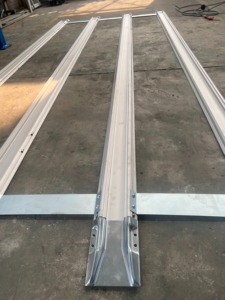
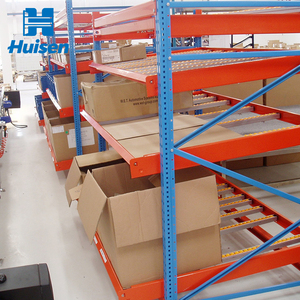
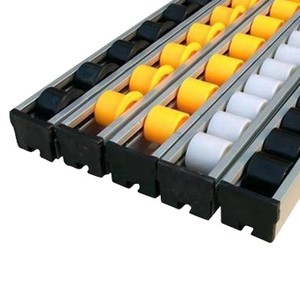
Static storage systems frequently fall short when high rotation velocities and strict First-In, First-Out (FIFO) protocols dictate operational flow. The integration of precision-extruded aluminum slide rails, polyethene (PE) fluency bars, and full-width steel roller tracks transforms traditional structural footprints into continuous gravity flow channels. By establishing calculated incline angles (normally between 2.5% and 3.5%), gravity reliably propels palletized loads from loading faces to picking faces without human intervention or localized electrical motor dependencies.
Engineering these systems demands exact mass calculation: roller bearings must dissipate the dynamic momentum of pallets weighing up to 1,500 kg without inducing product dislodgement. Integrated centrifugal brake rollers, magnetic speed limiters, and directional separator mechanisms prevent line pressure accumulation at discharge gates, protecting warehouse staff during retrieval routines.
Strategic Procurement & Engineering Trends (2026–2030)
How global supply chain volatility, regional seismic mandates, and robotics are reshaping warehouse storage specifications.
AS/RS & Autonomous Shuttle Integration
Static racking is increasingly transitioning toward automated storage and retrieval systems (AS/RS). Procurement teams are prioritizing uprights with tighter deflection tolerances (1/1000 versus the traditional 1/500) to support robotic reach trucks, radio shuttle carts, and autonomous mobile robots (AMRs) that operate without manual steering allowances.
Unified Seismic & Site-Specific Engineering
Procurement teams across seismic regions (such as the Pacific Rim and South America) now reject generic load tables. Uprights, heavy-duty base plates, and anchoring bolts must be structurally calculated according to regional seismic codes, including NCh 2369, NSR-10, and Eurocode 8, incorporating dynamic ductility ratios and spectral acceleration factors.
Life-Cycle Carbon & Closed-Loop Metallurgy
Green building certifications (LEED, BREEAM) are now embedded directly into industrial procurement criteria. Exporters must provide full Environmental Product Declarations (EPDs). Stainless and galvanized structural steels are increasingly sourced with verifiable scrap recycling fractions, utilizing zero-VOC electrostatic powder coatings to ensure non-toxic emissions throughout the facility's design life.
Digital Twin & BIM Structural Modeling
Racking systems are no longer treated as simple floor furniture. Every layout is developed as a complete Building Information Modeling (BIM) asset (LOD 300+). Structural designs integrate directly into the architectural model of the warehouse, resolving clashes with sprinkler lines, HVAC ducting, and structural columns before manufacturing starts.
Nearshore & Direct-From-Source Factory Partnerships
To hedge against geopolitical transport tariffs and erratic transpacific container costs, enterprise buyers are partnering directly with high-capacity integrated manufacturers. Eliminating intermediaries ensures direct accountability over raw steel mills, production testing logs, Lloyd's-audited weld certifications, and optimized container packing plans.
Integrated Manufacturing Infrastructure Since 2001
Guangzhou Heda Shelves Co., Ltd. controls the complete supply chain across a 30,000 m² advanced production facility.
Operating out of our Guangzhou heavy industrial base, HEDA Shelves deploys over 300 specialized engineers, CNC operators, and structural QA technicians. Every rack configuration undergoes rigorous mechanical verification, from spectrographic raw coil steel testing to automated CNC beam notch roll forming, robotic welding arrays, and high-temperature curing powder coat cycles. Our technical design office provides clients worldwide with complimentary 3D structural renderings, dynamic CAD schematics, and load capacity certifications verified under European and American racking design codes.
Through our dedicated global export operations, we provide factory-direct supply agreements for wholesale distributors, automated system integrators, and multinational logistics enterprises. By maintaining an in-house monthly output of 30,000 tons, project lead times are consistently preserved within 2 to 4 weeks, backed by ISO 9001:2015 quality frameworks and valid CE marking conformity documentation.
Frequently Asked Questions: Global Industrial Racking Procurement
Actionable answers addressing certification requirements, site-specific calculations, shipping economics, and structural safety.