Precision-Engineered Pallet Storage Units & Racking Solutions
Direct factory configurations manufactured from certified Q235B/Q355B structural cold-rolled steel. Engineered for extreme dynamic capacity, seismic reliability, and international compliance.
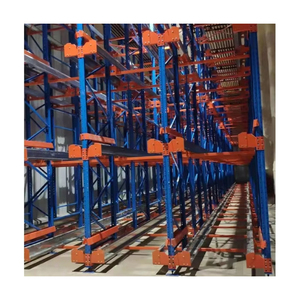
High Efficiency Auto Rack Shuttles Warehouse Racking Pallet Shuttle System
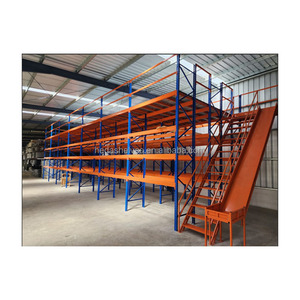
Warehouse Steel Platform Mezzanine Floor Pallet Racking Stacking Racks
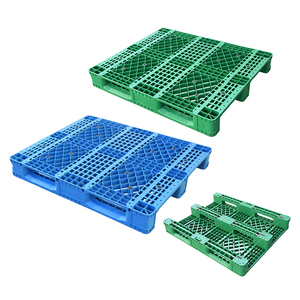
Multilevel Racking Heavy Duty Storage Shelf System Euro Pallet 4-Way Entry
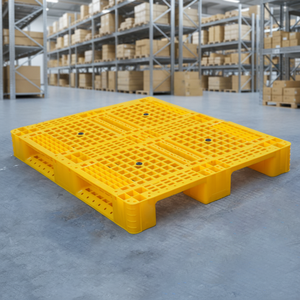
Stackable Industrial HDPE Euro Steel Reinforced 3 Runners Pallet
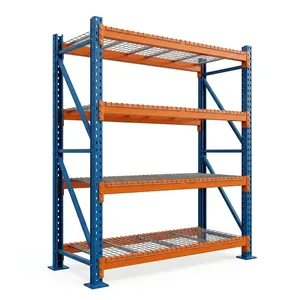
Heavy Duty Steel Pallet Racking System Adjustable Storage Shelving Unit
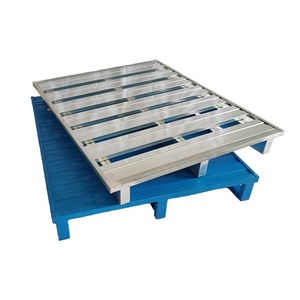
1000-1500Kgs Industrial Heavy Duty Forklift Galvanized Steel Pallets
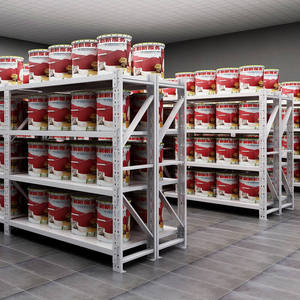
Heavy Duty Industrial Pallet Rack Metal Stacking Units Warehouse Racking
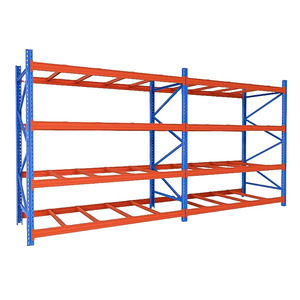
Safe and Durable Industrial Cold Rolled Steel Adjustable Storage Shelves
Guangzhou HEDA Shelves Co., Ltd.
Operating since 2001, Guangzhou HEDA Shelves has emerged as an authoritative global leader in the design, engineering, and manufacturing of heavy-duty industrial pallet racking systems and modular mezzanine platforms. Headquartered in Guangzhou with state-of-the-art automated manufacturing plants, we manage a certified workforce of over 300 technical engineers and specialists.
Our engineering division leverages advanced Finite Element Analysis (FEA) to calculate dynamic dead/live load parameters and regional seismic risks. Every component undergoes rigorous tensile and metallurgical testing to guarantee zero failure under continuous material handling cycles.
- Free 3D CAD & Structural Calculations
- Certified Q235B / Q355B Steel Coils
- Robotic Seamless CO2 Welding Lines
- Comprehensive OEM/ODM Engineering
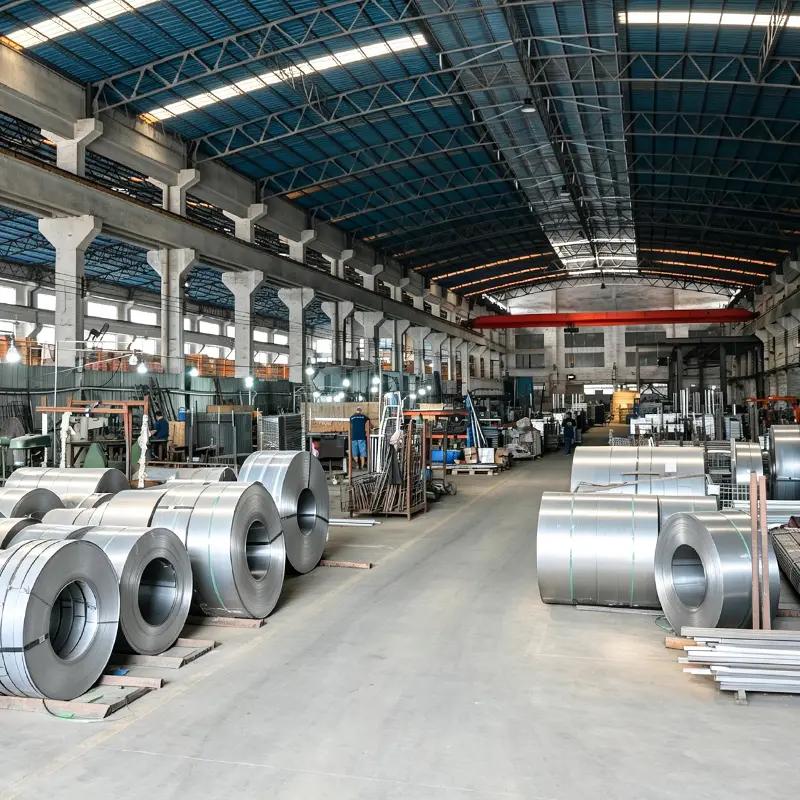
10-Stage Precision Manufacturing & Quality Control Matrix
To achieve global structural durability, HEDA Shelves runs an end-to-end proprietary fabrication process where cold-formed steel engineering adheres to European EN 15512 and US RMI ANSI MH16.1 standards.
Material Chemistry
Direct sourcing of Baosteel/Shagang prime structural steel with certified yield strength (fy ≥ 235-355 MPa).
Precision CNC Slitting
High-speed slitting tolerances within ±0.1mm ensure uniform width and parallel edge geometry for roll forming.
Automated Punching
Continuous 65-ton punch presses stamp diamond/teardrop slot pitches (50mm/75mm) at exceptional pitch precision.
Multi-Roller Cold Forming
Up to 24 progressive rolling stages form omega uprights and box beams without creating micro-fracture stress lines.
Robotic MIG Welding
Multi-axis OTC welding robots assemble connector brackets to box beams with full penetration and zero weld spatter.
7-Stage Chemical Wash
Immersion hot alkaline degreasing, acid pickling, rust removal, and nano-ceramic phosphating treatment.
Electrostatic Powder
Automated Gema powder spray booths apply 80-120μm durable polyester coatings for optimal abrasion resistance.
Thermoset Curing
Continuous 200°C baking tunnel guarantees complete chemical polymer cross-linking, eliminating chipping risks.
Deflection Testing
Batch testing under 1.5x working load confirms beam deflection stays strictly within FEM 10.2.02 standard limits (L/200).
Export Packaging
Steel-strapped bundles with corrugated cushions, corner protectors, and moisture-barrier film for transoceanic shipping.
Future Technological Trends in Global Pallet Storage
As commercial land acquisition costs climb and automated supply chains accelerate, industrial warehouse engineering is shifting from passive storage shelves to smart, dense, and seismically resilient structural ecosystems.
1. High-Density Semi-Automation & 4-Way Shuttles
Traditional selective racking yields an average volumetric floor utilization of only 35-40%. Procurement is rapidly pivoting toward 2-way and 4-way radio pallet shuttle racking systems. These automated carrier systems operate inside deep drive-in channels, boosting volumetric storage density past 75% while dramatically slashing forklift collision risks, battery power expenditure, and cold-storage refrigeration loss.
2. Nonlinear Seismic Dynamics & FEA Modeling
Global logistics hubs situated near active seismic fault zones (such as Chile, Peru, Western USA, Japan, and the Mediterranean) now demand structural compliance under high Peak Ground Acceleration (PGA). Modern procurement mandates that upright frame baseplates, splice joints, and back-to-back ties undergo dynamic response-spectrum FEA modeling to avoid structural buckling or domino progressive collapses during seismic excitation.
3. Eco-Coatings & Severe Cold-Chain Metallurgy
Refrigerated and frozen distribution centers (-30°C) face micro-cracking and rust caused by condensing moisture. Forward-thinking procurement strategies now prioritize chromium-free pre-treatment alongside Hot-Dip Galvanized (HDG) steel components. This delivers 25+ years of zero-maintenance corrosion protection, keeping pace with food safety audits and green warehouse certification initiatives.
Pallet Storage System Selection Matrix & Comparative Analysis
Review key technical parameters, SKU accessibility factors, floor utilization indices, and handling equipment compatibility before confirming your warehouse layout engineering.
| Racking System Type | Floor Space Efficiency | SKU Selectivity | Inventory Rotation | Aisle Width Req. | Typical Payload / Tier | Ideal Application |
|---|---|---|---|---|---|---|
| Selective Pallet Racking | 40% – 50% | 100% Immediate | FIFO | 3,000 – 3,500 mm | 1,000 – 4,500 kg | High SKU variety, fast-moving 3PL hubs |
| Double Deep Pallet Racking | 55% – 65% | 50% Direct | LIFO | 3,000 – 3,300 mm | 1,000 – 3,000 kg | Medium batch size, dual pallet stocking |
| Drive-In / Drive-Through | 65% – 75% | 20% – 30% Batch | LIFO / FIFO | Forklift drives inside | 800 – 1,500 kg | Homogeneous bulk items, seasonal goods |
| Radio Shuttle Racking | 75% – 85% | Deep lane batch | FIFO & LIFO | 2,600 – 2,800 mm | 500 – 1,500 kg | Cold storage, food processing, high throughput |
| Gravity Pallet Flow Rack | 70% – 80% | Dedicated lane | Strict FIFO | Loading & picking aisles | 500 – 1,200 kg | Perishables, pharmaceuticals, dairy plants |
| Rack-Supported Mezzanine | Double/Triple Floor | 100% Multi-tier | Flexible | Manual / Pallet truck | 300 – 1,000 kg/m² | Automotive spares, e-commerce fulfillment |

Maximizing Landed ROI Through Advanced Stowage Planning
Ocean freight economics are a critical determinant of final landed unit costs in racking procurement. Heavy, long steel structural profiles risk under-filling container cubic capacity if not bundled methodically. HEDA Shelves runs specialized 3D CAD packing software before fabrication to calculate the weight-to-volume ratio of every 40ft High Cube (40HC) container.
Beams, uprights, and bracings are bundled in nested, non-deforming batches using protective wooden saddles, high-tensile steel straps, and waterproof edge wraps. This allows sea containers to safely achieve up to 98% space utilization, keeping ocean shipping surcharges per pallet position to an absolute minimum.
Frequently Asked Questions by Industrial Racking Importers
Detailed technical answers to common questions about structural steel grades, safety margins, seismic calculations, and export logistics.