Certified High-Load Storage Systems & Industrial Shelving
Engineered in compliance with EN 15512, RMI, and FEM standards. Cold-formed from certified Q235B/Q355B structural steel to maximize volumetric storage density and operational cycle speeds.
Selecting High-Performance Racking Architectures for High-Throughput Warehousing
A deep technical analysis on balancing volumetric density, SKU selectivity, floor-slab dynamic load ratings, and seismic ductility factors in modern industrial supply chains.
Modern distribution centers, 3PL transit platforms, and cold-chain cold-storage facilities face a multifaceted challenge: square-footage leasing rates have surged globally by more than 35% over the past five years, while SKU counts have fragmented due to omni-channel e-commerce fulfillment. Warehouse engineers can no longer view storage racks merely as passive steel shelving; they are load-bearing, structural components engineered to interface seamlessly with mechanical handling equipment (MHE), Automated Guided Vehicles (AGVs), Autonomous Mobile Robots (AMRs), and AS/RS stacker cranes.
100% SKU Selectivity
Selective pallet racking configurations offer immediate, unrestricted access to every unit load. Ideal for dynamic fast-moving consumer goods (FMCG) where picking cycle time and stock rotation velocity outweigh absolute cubic footprint optimization.
High-Density Compaction
Drive-In, Push-Back, and Radio Shuttle systems compress aisle space by up to 75%. By consolidating homogeneous inventory into deep storage lanes, operators dramatically cut refrigeration energy losses in chilled environments and maximize cubic bay volume.
Rack-Clad High Bay AS/RS
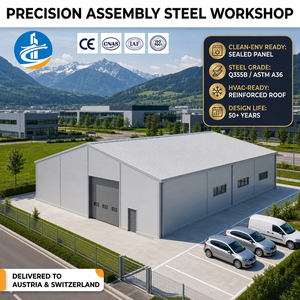
Eliminating standard warehouse roof trusses, rack-supported buildings utilize the upright steel columns as primary structural building columns. Capable of soaring up to 40 meters, this maximizes automated stacker-crane efficiency with minimal footprint.
Engineering Comparison: Structural Storage Systems Matrix
When specifying warehouse racking systems, structural engineers evaluate yield strengths, slenderness ratios, and beam deflection limits (typically defined as L/200 under FEM 10.2.02 or L/250 under RMI ANSI MH16.1 specifications). Below is an operational matrix comparing the structural classifications fabricated at our Guangzhou production facilities:
| Racking System Type | Typical Payload / Level | Floor Utilization (%) | SKU Selectivity | Standard Steel Grade | Optimal Handling Equipment |
|---|---|---|---|---|---|
| Selective Pallet Racking | 1,000 kg – 4,500 kg | 35% – 45% | 100% Direct Access | Q235B / Q355B | Counterbalance, Reach Trucks |
| Radio Shuttle Cart System | 500 kg – 2,000 kg | 75% – 85% | Batch / Deep Lane FIFO & LIFO | Q355B High-Yield | Automated Radio Shuttle + Forklift |
| Drive-In / Drive-Through | 800 kg – 1,800 kg | 65% – 75% | Low (Last-In, First-Out) | Q235B Cold-Rolled | Narrow-Chassis Reach Truck |
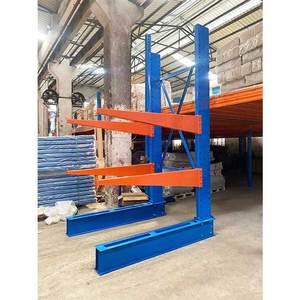
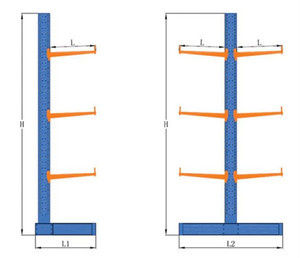
| Heavy-Duty Cantilever Rack | 1,000 kg – 5,000 kg / Arm | Variable (Long items) | Continuous Horizontal Access | Hot-Rolled H-Beam | Side Loader, Multi-directional MHE |
| Automated High-Bay (AS/RS) | 1,000 kg – 3,000 kg | 85% – 95% | 100% Computerized High-Speed | Q355B Precision Roll | Automated Stacker Crane / Rail AGV |
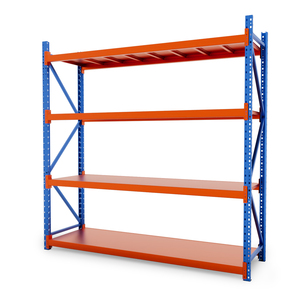
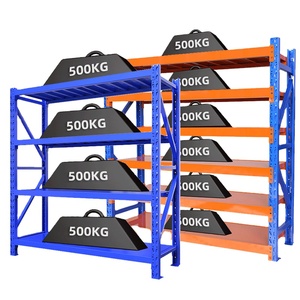
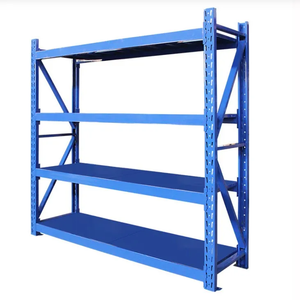
| Medium-Duty Longspan Shelving | 200 kg – 800 kg / Tier | 50% – 60% | 100% Manual Hand-Pick | Q235B Strip Steel | Manual Cart, Order Picker Trolley |
Future Procurement & Technological Trends in Warehouse Storage
Anticipating engineering transformations, regulatory updates, and robotics convergence across international supply chains.
Sub-Millimeter Structural Tolerance for AMR/AGV
As Autonomous Mobile Robots (AMRs) replace manual forklifts, upright beam deflection and floor flatness standards (FF/FL) are shifting from DIN 18202 to stringent VDMA 23853 standards. Chinese manufacturers are deploying 16-roller continuous profiling mills to guarantee sub-millimeter tolerances along 14-meter vertical frames.
Nonlinear Push-Over Dynamic Modeling
Procurement directors in earthquake-prone zones across the Pacific Rim (Chile, Peru, Japan, Western US) now demand 3D finite-element nonlinear response-spectrum simulations (FEMA 460 / NCh 2369). Baseplates, base anchors, and teardrop upright perforations are custom-stamped to absorb cyclic seismic energy without localized structural collapse.
Sub-Zero Ductility & Anti-Corrosion Finishes
With pharmaceutical and frozen meat logistics expanding, steel embrittlement in -30°C conditions has emerged as a major safety concern. Leading manufacturers specify fine-grain killed steels with Charpy V-notch impact toughness tested to 27 Joules at -20°C, combined with pre-treatment zinc phosphating and thermoset polyester powder coating.
Decarbonized EAF Steel & Zero-VOC Finishes
Global corporate procurement mandates now require Environmental Product Declarations (EPDs). Scrap-based Electric Arc Furnace (EAF) steel coils and closed-loop powder recovery spray lines reduce the embedded carbon footprint of exported racking by over 42%, satisfying EU CBAM and green building criteria (LEED v4.1).
Strategic Sourcing from China: Evaluating Structural Integrity and Quality Control
Global supply chain directors importing steel storage systems often encounter significant disparities in pricing, structural weight, and durability. Securing long-term operational safety requires looking beyond unit price to verify metallurgical and quality benchmarks:
1. Steel Coil Purity and Chemical Composition: Tier-1 Chinese manufacturers procure hot-rolled strip steel directly from premier state mills such as Baosteel, Ansteel, or Shougang. Verifying test mill certificates (MTC) ensures that carbon, silicon, manganese, phosphorus, and sulfur levels strictly correspond to standard Q235B (yield strength ≥ 235 MPa) or high-tensile Q355B (yield strength ≥ 355 MPa). Lower-tier suppliers often substitute non-standard reclaimed scrap steel, risking catastrophic brittle failure under full dynamic loading.
2. 8-Stage Surface Pre-Treatment vs. Single-Dip Washing: Long-term adhesion of electrostatic powder coating depends critically on substrate pre-treatment. Our production line incorporates an automated continuous 8-stage immersion/spray line: solvent degreasing, twin high-pressure water rinses, hot-acid pickling for complete mill-scale removal, neutralizing, zinc phosphating (yielding a micro-crystalline anti-rust barrier of 1.5–2.5 g/m²), and deionized water rinsing prior to drying. This rigorous process achieves over 1,000 hours of neutral salt spray testing (ASTM B117) with zero creepage along cross-hatch cuts.
3. Upright Section Modulus & Profile Geometry: The load-bearing capacity of an upright frame is governed by its section modulus and radius of gyration. Modern cold-roll forming profiles incorporate up to 13 structural bends per upright, providing superior torsional rigidity and resisting localized flange buckling under high axial stress. When coupled with heavy-gauge diagonal and horizontal cross-bracing, the structure safely withstands inadvertent pallet impacts.
25 Years of Precision Engineering & Export Excellence
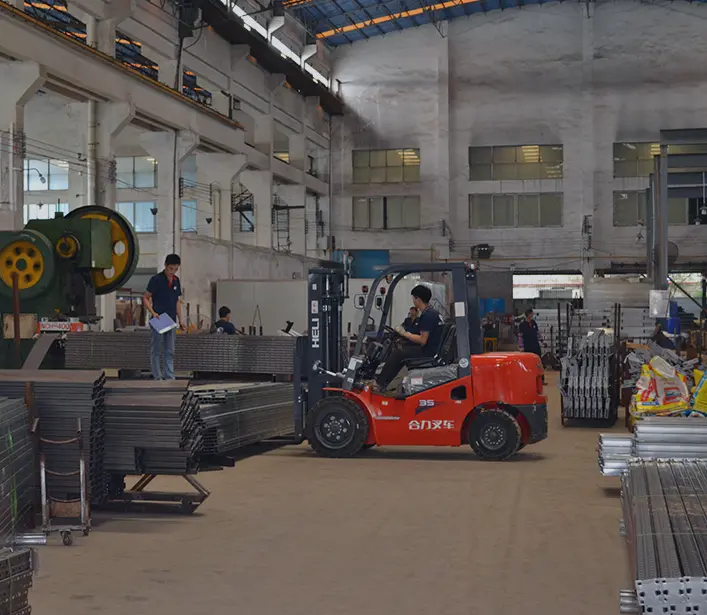
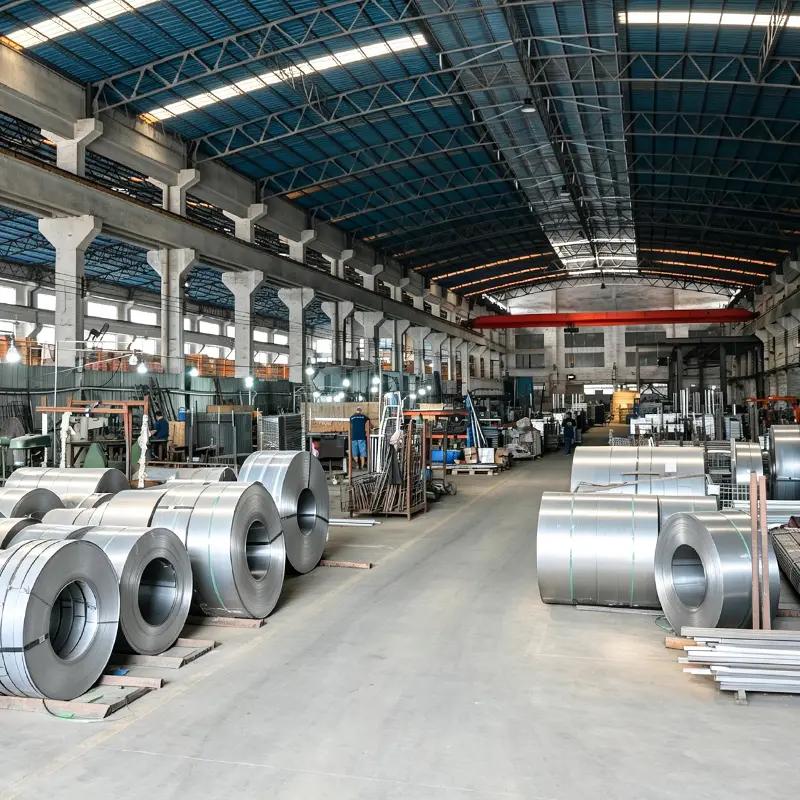
Founded in 2001, Guangzhou Heda Shelves Co., Ltd. has grown from an industrial shelving workshop into a globally recognized intelligent warehousing and intralogistics manufacturer. Operating a 30,000 square meter modernized fabrication complex, our facilities integrate advanced CNC profiling, automated high-precision punching, and robotic laser welding systems.
Serving distribution centers, pharmaceutical hubs, agricultural cooperatives, and 3PL enterprises across Brazil, Chile, Peru, Colombia, the United States, Europe, Southeast Asia, and the Middle East, HEDA provides complete accountability from structural CAD layout design to on-site assembly supervision.
20+ Years Industry Expertise
Over two decades dedicated exclusively to solving structural storage challenges, optimizing footprint utilization, and engineering custom warehouse layouts globally.
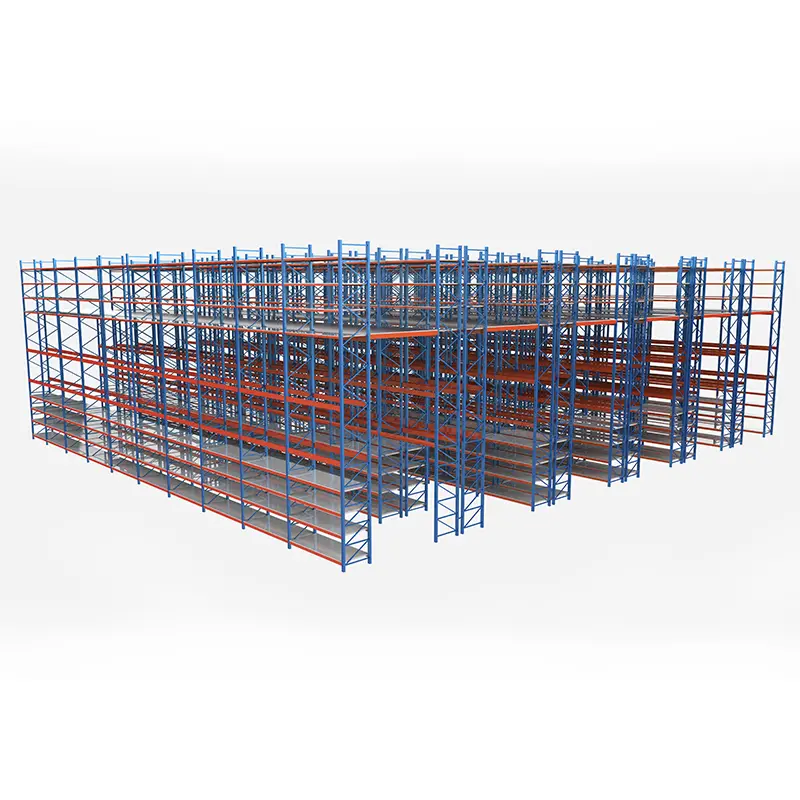
Free 3D & CAD Layout Design
Our in-house design engineers convert your architectural DWG drawings into optimized 3D parametric BIM models and load-capacity calculations within 24 hours.
Rigorous Quality & Compliance
Fully certified under CE Certificate No. 2435-CPR-8605159, ISO 9001:2015 No. 18624Q00169R0M, and RoHS directives with documented third-party batch test reports.
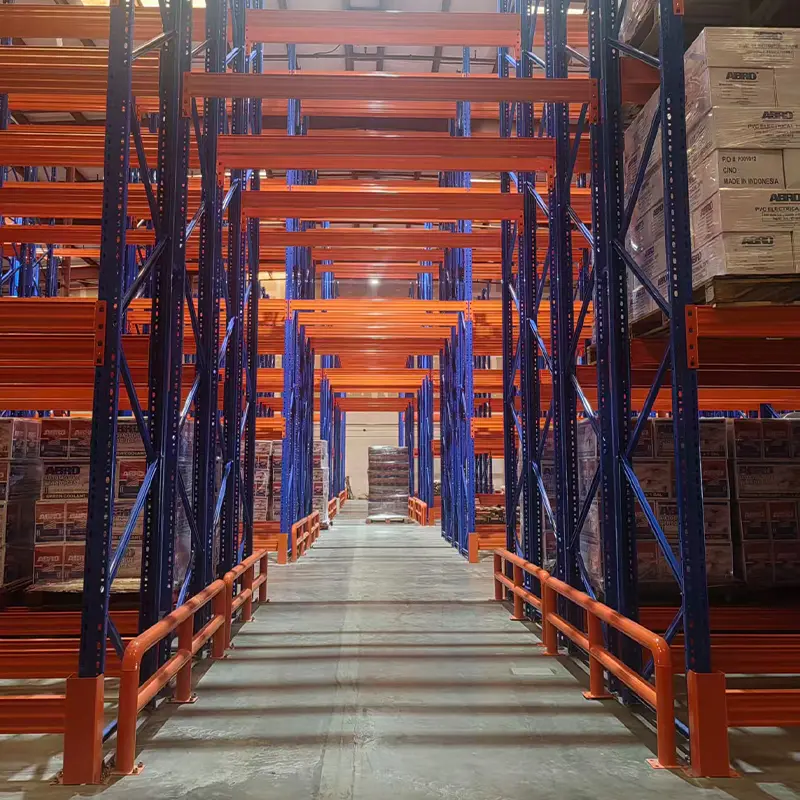
Fully Customized Solutions
Complete OEM/ODM flexibility: tailored beam box spans, custom upright pitch perforations, anti-corrosive HDG galvanized treatments, and tailored corporate colors.
Frequently Asked Questions by Global Racking Buyers
Technical answers addressing seismic verification, port freight planning, coating durability, and warehouse layout optimization.
How do you engineer warehouse racking for active seismic zones like Chile, Peru, or California?
What is the typical production lead time and container packing efficiency for bulk exports?
How does electrostatic powder coating protect steel racking in tropical or humid port warehouses?
What concrete floor slab specifications are required before anchoring heavy-duty racking?
Can you manufacture OEM custom racking profiles compatible with existing warehouse installations?
What architectural and operational data is required to generate a complimentary 3D layout?
Request Your Complimentary 3D Warehouse Layout & Load Calculation
Collaborate directly with our senior structural intralogistics engineers. Submit your warehouse floor plan today to receive an optimized 2D CAD layout, photorealistic 3D visualization, and comprehensive price schedule within 24 hours.
- Free 3D Architectural CAD Renderings
- Seismic Load & Deflection Calculations
- Direct China Factory Pricing (FOB / CIF / DDP)
- CE & ISO 9001 Certified Quality Traceability