High-Efficiency Automotive Racking & Pallet Systems
Engineered using cold-rolled high-tensile structural steel, our automotive storage systems accommodate stamped body panels, engine subassemblies, battery enclosures, and high-density distribution centers.
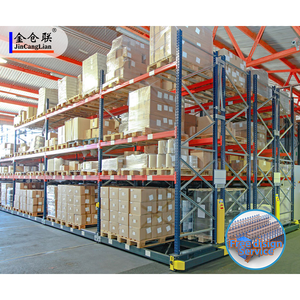
Modular Steel Backwall Shelf Selective Pallet Rack Heavy Duty Warehouse 5-Layer Corrosion Protection
Built with cold-rolled Q235B upright profiles and multi-claw beam connectors. Designed for fast pick access in spare parts and auto ancillary warehouses.
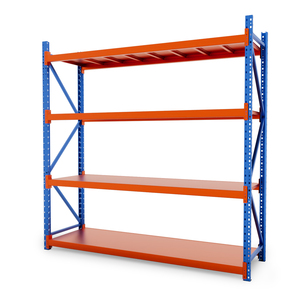
Wholesale Heavy Duty Pallet Rack 3000kg High Load 4 Layer Metal Shelves Durable Longspan
High-rigidity structural steel configuration capable of carrying crated engine blocks, transmissions, and heavy automotive tooling stamping dies securely.
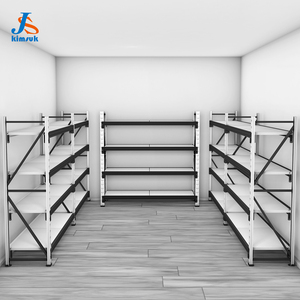
Racking Warehouse Storage Shelving Solutions Cantilever Stacking Racks Selective Pallet Rack
Unobstructed arm columns providing optimal storage density for automotive tailpipes, roll-cage tubing, chassis rails, and elongated vehicle trims.
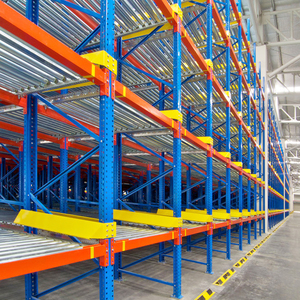
Customized OEM ODM Gravity Flow Roller Racking Systems Heavy Duty Pallet Flow Rack Q235B SGS
Automatic dynamic gravity lanes with speed controllers and separation separators, ensuring flawless sequencing for line-side automotive assembly feeds.
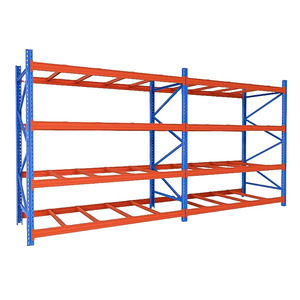
Safe and Durable Industrial Storage Pallet Rack Storage System Cold Rolled Steel Adjustable Shelves
50mm pitch adjustable vertical uprights allowing quick reconfiguration for varying carton volumes, automotive electronics, and aftermarket parts bins.
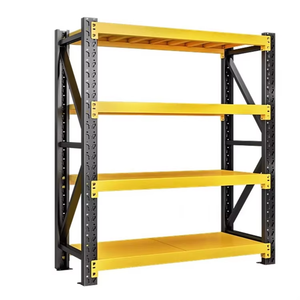
Industrial Boltless Light Duty Steel Shelving, Adjustable 4-Tier Warehouse Picking Rack System
Nut-and-bolt free rapid modular setup. Ideal for picking bays holding automotive wire harnesses, sensors, fasteners, spark plugs, and lighting components.
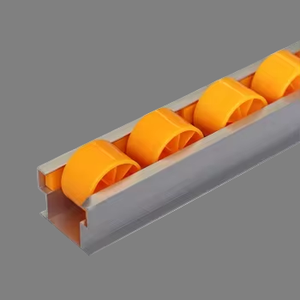
Gravity Flow Racks Pallet Flow Roller Shelving Carton Flow Industrial Warehouse Modular Storage
Combines roller bed tracks with pick-to-light systems for high-turnover automotive consumables, filtration elements, brake pads, and hardware kits.
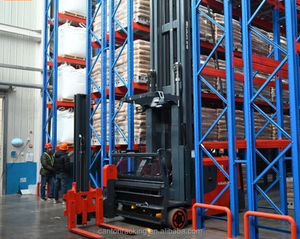
Very Narrow Aisle Racking Maximizes Storage Capacity With High-Bay Minimized Aisles
Ultra-narrow aisle (VNA) system engineered for high-bay reach trucks or wire-guided AGVs, recovering up to 50% lost aisle space in automotive central parts DCs.
Automotive Warehouse Engineering & Component-Specific Racking Architecture
Analyzing structural dynamics, load distributions, and specialized handling requirements across OEM manufacturing and Tier-1 subassembly lines.
In modern automotive manufacturing logistics, warehousing is no longer a static repository for goods—it is a critical, synchronized buffer integrated directly with assembly lines operating under strict Just-In-Time (JIT) and Just-In-Sequence (JIS) cadences. Storing automotive parts presents exceptional structural challenges: loads vary from lightweight, easily scratched Class-A decorative body panels to extreme, concentrated deadweights such as steel stamping dies, transmission blocks, and electric vehicle (EV) battery packs weighing in excess of 700 kilograms per unit. Standard commodity racking systems often fail under these dynamic conditions, suffering from torsional fatigue, frame deflection, or surface degradation that compromises stored vehicle parts.
As a seasoned China automotive racking manufacturer founded in 2001, Guangzhou HEDA Shelves Co., Ltd. engineers specialized automotive racking systems engineered specifically to solve structural deflection, floor space constraints, and high cycle loading. Utilizing advanced finite element analysis (FEA) and high-grade cold-rolled coils (Q235B and Q355B), our systems guarantee minimal deflection tolerances well within FEM 10.2.02 and RMI standards. Below is an engineering evaluation of the specialized storage profiles required across modern automotive subsectors.
1. Tier-1 Automotive Component Storage Profiles & Structural Solutions
Different vehicle subsystems impose distinctly varied demands on steel strength, bay depths, safety accessories, and operational handling:
Tires & Wheel Rims
Stepped cradle beams and tubular cross-members prevent flat-spotting and rim contact damage. Modular stacking frames allow rapid seasonal SKU scaling in commercial logistics hubs.
Class-A Body Panels
Custom dunnage, UHMW polyethylene dividers, and carpeted cradles prevent micro-abrasions and scratches on primed hoods, fenders, door skins, and composite roofs.
EV Traction Batteries
Reinforced Q355B boxed beams engineered for high-density localized weight, integrated with built-in thermal break gaps, fire-suppression conduits, and leak-containment pans.
Stamping Dies & Molds
Ultra-heavy structural steel shelves supporting concentrated loads of up to 5,000 kg per position, featuring heavy roll-out slide decks for overhead gantry crane extraction.
Structural Comparison: Automotive Specific vs. Generic Warehouse Racking
Automotive storage requires strict compliance with dynamic load cycling and seismic impact certifications. The engineering table below illustrates the mechanical distinctions between standard storage systems and factory-engineered automotive installations:
| Engineering Parameter | Standard Warehouse Pallet Rack | Heavy-Duty Automotive Racking | HEDA Factory Performance Threshold |
|---|---|---|---|
| Primary Steel Grade | Commercial Grade Q195 / Q215 | Certified Q235B / High Yield Q355B | Q235B / Q355B Cold Rolled (Yield strength ≥ 355 MPa) |
| Beam Deflection Limit | L / 180 or L / 200 Max | L / 250 to L / 300 Stricter Tolerance | ≤ L / 250 under 100% static maximum working load |
| Beam-to-Column Hook Connectors | 3-Claw Friction Pin Lock | 4 or 5-Claw Integral Cold-Forged Lug | 5-Claw High-Moment Connectors with safety lock pins |
| Surface Treatment & Coating | Standard Dry Powder (40–60 μm) | Pickling + Phosphating + Powder (70–90 μm) | Full 10-Stage Electrostatic Line, salt-spray tested 500 hrs |
| Component Protection | Bare metal contact surfaces | Textile, PVC, or UHMWPE liners | Custom Dunnage Integration (Zero metal-to-A-surface contact) |
| Forklift Impact Resistance | Optional bolt-on floor angle | Reinforced column boot & wraparound crash post | Heavy 6mm Solid Structural Steel upright guard protection |
Future Procurement Trends in Automotive Warehousing (2025–2030)
How the global electrification of powertrains, automated material handling, and green supply chain initiatives are redefining how Tier-1 manufacturers buy racking infrastructure.
The global automotive supply chain is undergoing the most aggressive transformation since the implementation of the moving assembly line. Procurement directors at OEMs and logistics providers face shifting operating constraints. When procuring wholesale automotive racking systems from China, technical buyers are adjusting tender specifications around four macro trends:
1. EV Battery Logistics & Hazmat Fire Safety
Traditional automotive racking focused on deadweight, but EV battery modules introduce high fire hazards and localized heat concentrations. Future-proof procurement requires integrated fire dampers, compartmentalized wire-mesh flues to direct water from in-rack ESFR sprinklers, and non-sparking copper-grounded roller beds for gravity tracks to prevent static buildup.
2. AGV, AMR & AS/RS Interoperability
Human-operated forklifts are rapidly being replaced by Autonomous Mobile Robots (AMRs) and automated high-bay reach cranes in Tier-1 central consolidation hubs. This demands tighter vertical upright tolerances (±1.0mm per 10m height) and laser-guided baseplate anchor alignments so automated laser scanners can locate pallets without optical calibration errors.
3. Dynamic Lineside Sequencing Racks
Automakers require subassemblies to arrive at the chassis mating line in exact vehicle sequence (color, engine displacement, trim option). Racking systems are migrating from static pallet bays to dynamic carton and pallet flow tracks equipped with digital pick-to-light indicators, sensor-triggered gravity locks, and quick-disconnect modular dollies.
4. Low-Carbon Steel & Traceable ESG Compliance
Leading automotive brands are mandating strict Scope 3 greenhouse gas auditing across tier suppliers. When sourcing racking from China factories, procurement teams favor manufacturers utilizing high-efficiency continuous electric arc furnace (EAF) steel, lead-free low-VOC electrostatic thermosetting powder coatings, and recyclable packaging.
5. Reconfigurable Modular Architecture
With vehicle lifecycles shortening from 7 years to 3–4 years due to EV iterations, permanent welded racking is obsolete. Buyers seek fully modular boltless or pin-connected teardrop and double-slotted racking geometries that can be dismantled, re-spaced, and re-certified for a completely different vehicle model run with zero scrap metal waste.
Why Tier-1 Automakers & Global Importers Partner with HEDA Shelves
Combining 25+ years of heavy manufacturing mastery with rigorous in-house quality assurance and global project logistics.
10-Stage Precision Manufacturing & Quality Verification
Every automotive beam, upright frame, and cantilever arm undergoes our proprietary ten-stage closed-loop manufacturing process. Production is audited under ISO 9001:2015 (Cert No. 18624Q00169R0M) and structural certifications under CE No. 2435-CPR-8605159, ensuring total structural safety:
Raw Material Testing
Spectrometric chemical analysis and tensile yield testing on hot/cold rolled steel coils.
CNC Laser Cutting
Micro-tolerance beam slicing and bracket profiling with zero thermal micro-fractures.
Automated Punching
Continuous hydraulic stamping ensuring precise 50mm/75mm upright pitch repeatability.
Continuous Roll Forming
18-station roll forming line creating seamless rigid uprights without internal residual strain.
Robotic CO₂ Welding
Multi-axis Panasonic automated robotic welding for deep, pore-free connector joint penetration.
Shot Blasting & Derusting
Mechanical blasting to Sa 2.5 profile to remove all mill scale and oxidation layers.
Acid Pickling & Phosphating
Multi-tank chemical immersion creating a crystalline zinc phosphate anti-corrosion barrier.
Electrostatic Coating
Automated Swiss Gema powder application with curing at 200°C for high impact durability.
Load Deflection Testing
Batch-wise hydraulic pressure testing validating finite element calculation limits.
Container Load Nesting
CAD-designed nesting schemes wrapped in foam cushions to maximize container cube volume.
Frequently Asked Questions on Sourcing Automotive Racking from China
In-depth engineering, commercial, and freight insights to help procurement teams mitigate project risks.
What steel grades are used, and can you provide mill test certificates (MTC)? +
Can your engineering team calculate localized seismic zone parameters? +
How do you protect Class-A vehicle body panels from surface scratching? +
What is your factory lead time for full-container loads (FCL)? +
How do you maximize ocean shipping container space for overseas transport? +
Do you offer OEM / ODM fabrication based on our own automotive part CAD files? +
What anti-corrosion finishes are available for harsh or outdoor environments? +
What documentation and installation support is provided upon container arrival? +
Request a Free 3D Automotive Warehouse Layout & Factory Price Quote
Send your building architectural floor plan, clear height limitations, part profiles, or pallet specs. Our senior storage system engineers will provide a complimentary CAD layout and structural stress calculation within 24 business hours.