Industrial-Grade Heavy Duty Pallet Racking Systems
Engineered for cold storage, e-commerce fulfillment hubs, and heavy metallurgical logistics. Explore our top 8 high-load racking units manufactured with certified Q235B/Q355B structural steel.
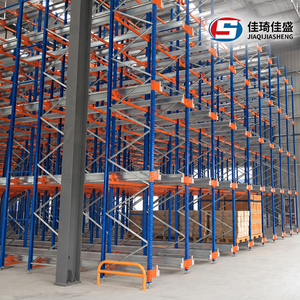
Multi-Level Automatic Warehouse Racking River-Type Pallet Two-way Radio Shuttle Rack
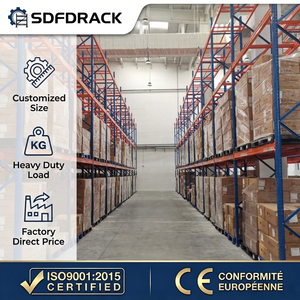
Heavy Duty Warehouse Pallet Racks Customized High Load 1000kg-5000kg Selective System
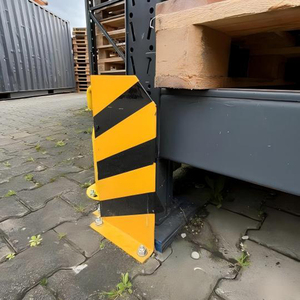
Anti-collision Upright Protector Pallet Rack Column Corner Guard Rack Shelf
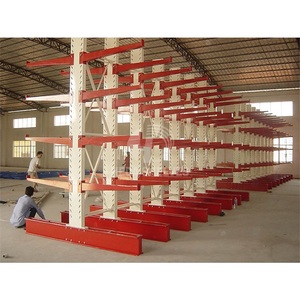
Heavy Duty Cantilever Racking Custom Cantilever Shelving Racking System
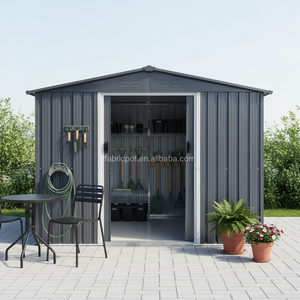
Waterproof Galvanized Steel Powder Coated Modular Tool Storage Shed 8x6x6
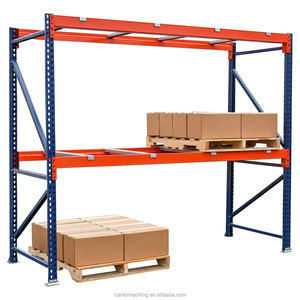
Heavy-Duty Metal Storage Shelves & Multi-Tier Longspan Shelving Units
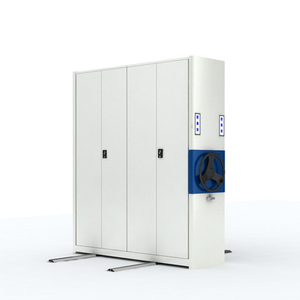
High Density Mobile Filing Shelving Manual Compactor Movable Racking
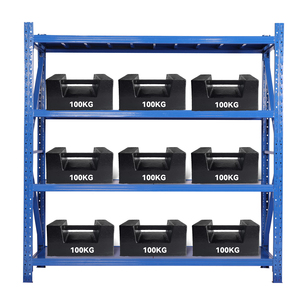
100~500KG Per Layer Wide Span Warehouse Stacking Shelves & Display Rack
Years of Structural Racking Manufacturing (Est. 2001)
Monthly Factory Throughput Capacity
Modernized CNC Profiling & Coating Facilities
Countries Supplied with OEM & ODM Racking Projects
Architectural Integrity & Load Dynamics in Heavy Duty Pallet Racking
As logistics hubs scale vertically to optimize footprint economics, heavy duty pallet racking transitions from standard storage shelving into high-stress, engineered structural frameworks. Structural failure in high-bay pallet racking involves not merely inventory loss, but systemic supply chain shutdown and catastrophic life-safety exposure. Sourcing wholesale industrial racking from China demands verification of raw metallurgical chemistry, precision continuous roll-forming tolerances, beam deflection tolerances, and seismic base connection rigidity.
1. Structural Steel Metallurgy: Cold-Rolled Q235B vs. Q355B Under Dynamic Load
The structural backbone of high-capacity warehouse racking relies on high-yield cold-formed carbon steel coils. At HEDA Shelves, primary upright columns and load-bearing horizontal box beams utilize certified Q235B (yield strength ≥ 235 MPa, tensile strength 370–500 MPa) and Q355B (yield strength ≥ 355 MPa, tensile strength 470–630 MPa) structural steels conforming to GB/T 700 and GB/T 1591. In high-density applications exceeding 1,500 kg per pallet position or heights exceeding 10 meters, Q355B cold-rolled profiles deliver the superior elastic modulus and post-yield ductility required to prevent progressive buckling.
Unlike inferior non-standard hot-rolled strips with variable phosphorus and sulfur concentrations, prime structural steel strips are subjected to longitudinal tension leveling, continuous CNC multi-stage punching (50mm or 75mm teardrop/diamond pitch), and gradual cold-roll forming across 22 to 26 roll stands. This continuous progressive forming sequence prevents localized micro-fissuring at profile radii, preserving structural moment capacity across both principal and weak axes under eccentric warehouse loadings.
| Racking Architecture | Aisle Space Efficiency | Selectivity Factor | Standard Load Rating | Typical Upright Section | International Compliance |
|---|---|---|---|---|---|
| Selective Pallet Racking | 35% – 42% (Standard Counterbalance) | 100% Direct Access | 1,000 kg – 4,500 kg / level | 90×70×2.0mm / 100×70×2.0mm | FEM 10.2.02, EN 15512, RMI |
| Two-Way Radio Shuttle | 75% – 85% (Ultra-Dense Channel) | Batch-level FIFO/LIFO | 500 kg – 2,000 kg / pallet | 100×70×2.5mm / 120×95×2.5mm | CE Directives, ISO 9001:2015 |
| Drive-In / Drive-Through | 65% – 75% (Aisle-Eliminated) | LIFO (Drive-In) / FIFO (Drive-Thru) | 1,000 kg – 1,800 kg / pallet | 90×70×2.3mm / 100×70×2.5mm | AS 4084-2023, FEM 10.2.07 |
| Push-Back Nested Cart | 55% – 65% (2 to 5 Pallets Deep) | LIFO per Channel | 800 kg – 1,500 kg / cart | 90×70×2.0mm / 100×70×2.3mm | EN 15512, ANSI MH16.1 |
| Heavy Duty Cantilever | Variable (Continuous Front Span) | 100% Direct Open Face | 500 kg – 1,800 kg / arm | C200×60 to C400×100 Box Column | AISC 360, EN 1993-1-3 |
2. Beam Connector Shear Physics & Dynamic Deflection Criteria
In heavy duty selective systems, the interface between the horizontal beam and the vertical upright governs structural capacity. Modern heavy-duty beams employ welded interlock connectors with 3 to 5 claw teeth designed with progressive shear radii. When loaded, the downward vertical force wedges the connector teeth deeper into the tapered upright column slots, transforming lateral rotational slip into a moment-resisting semi-rigid joint.
According to the FEM 10.2.02 and EN 15512 standards, horizontal beam deflection under uniform distributed load (UDL) must not exceed L / 200 (where L is the clear span distance between upright columns). For example, a standard 2,700 mm beam carrying two 1,200 kg pallets (total 2,400 kg) must restrict maximum central vertical sag to ≤ 13.5 mm. Furthermore, spring safety pins (rated for a minimum shear extraction force of 5.0 kN) are mechanically snapped into the connector body to prevent accidental dislodgement caused by erratic forklift operator maneuvering.
3. Surface Pre-treatment: Electrostatic Powder Coating & C1–C4 Corrosion Barriers
Industrial warehouse environments span benign ambient fulfillment centers (ISO 12944 C1 class) to coastal seafood freezers and agrochemical bulk depots characterized by sustained condensation and saline vapors (C3/C4 aggressive atmospheric categories). Sourcing wholesale racking requires verification of the automated surface treatment line:
- Stage 1–4 Automated Pre-Treatment: Complete alkaline immersion degreasing, clean-water cascading rinses, acid pickling to eliminate mill scale, and zinc-phosphate conversion coating to create a microscopically crystalline base matrix.
- Electrostatic Powder Application: Dry thermosetting polyester-epoxy hybrid powder is applied via multi-axis automated spray guns at 60 kV – 80 kV charge. Dry film thickness (DFT) is held strictly between 70 µm and 110 µm across all profile faces, including internal bend radii.
- Thermal Curing: Infrared cross-linking convection ovens bake the profile at 180°C – 200°C for 20 minutes, yielding an impact-resistant, chemical-proof surface demonstrating zero flaking under cross-hatch adhesion testing (ISO 2409 Level 0) and passing 500+ hours neutral salt spray testing (ASTM B117).
- Hot-Dip Galvanizing (HDG) for Cold Storage: For sub-zero blast freezers (-25°C to -35°C) and coastal marine locations, racking steel is immersed in molten zinc at 450°C conforming to EN ISO 1461, achieving a bonded metallurgical zinc alloy layer exceeding 85 µm (600 g/m²) for multi-decade rust immunity.
Emerging Trends Shaping Global Industrial Racking (2025–2030)
Global supply chain directors and warehouse infrastructure investors must navigate technological and regulatory shifts when committing capital to high-density storage systems.
1. Automation Convergence
Static racking is declining in favor of semi-automated radio shuttle, ASRS high-bay configurations, and Autonomous Mobile Robot (AMR) multi-level racking. Wholesale procurement now mandates millimetric tolerances across beam levels to ensure optical-sensor tracking compatibility.
2. Decarbonized Green Steel
Global logistics operators, governed by ESG reporting (Scope 3 emissions), are screening Chinese racking manufacturers for EAF (Electric Arc Furnace) low-carbon steel procurement, solar-powered powder coating lines, and 100% recyclable pallet supports.
3. Seismic Dynamic Resilience
Seismic zoning codes across the Pacific Rim, Latin America (Chile NCh 2369, Peru E.030), and Southern Europe demand engineered heavy baseplates, extended chemical expansion anchors, and horizontal spine-bracing systems engineered through P-Delta dynamic analysis.
4. FCL Freight Optimization
With ocean container spot rate volatility, buyers prioritize manufacturers with 3D algorithmic container nesting designs. Pallet upright frames and box beams are bundled with modular interlocking dunnage to maximize 40HQ cube utilization up to 98.2% without transport scuffing.
The Evolution Toward Hybrid Micro-Fulfillment & Mezzanine Integration
The rapid decentralization of global supply chains has accelerated the demand for hybrid distribution centers. Modern logistics centers cannot afford wasted vertical space. We are seeing sustained double-digit growth in multi-tier rack-supported mezzanines that integrate heavy-duty selective pallet racking on the ground floor with catwalk longspan picking systems on the upper levels.
By sourcing direct from an experienced China OEM with integrated cold-roll profiling and structural engineering capabilities, procurement directors cut out multi-tier distribution markups—lowering total capital outlay by 28% to 42% while retaining strict compliance with CE, ISO 9001:2015, and local industrial safety codes.
Vertically Integrated Racking Infrastructure Since 2001
Operating a state-of-the-art 30,000 m² manufacturing plant with over 300 technical specialists, delivering complete warehouse storage systems from preliminary CAD layout to containerized export.
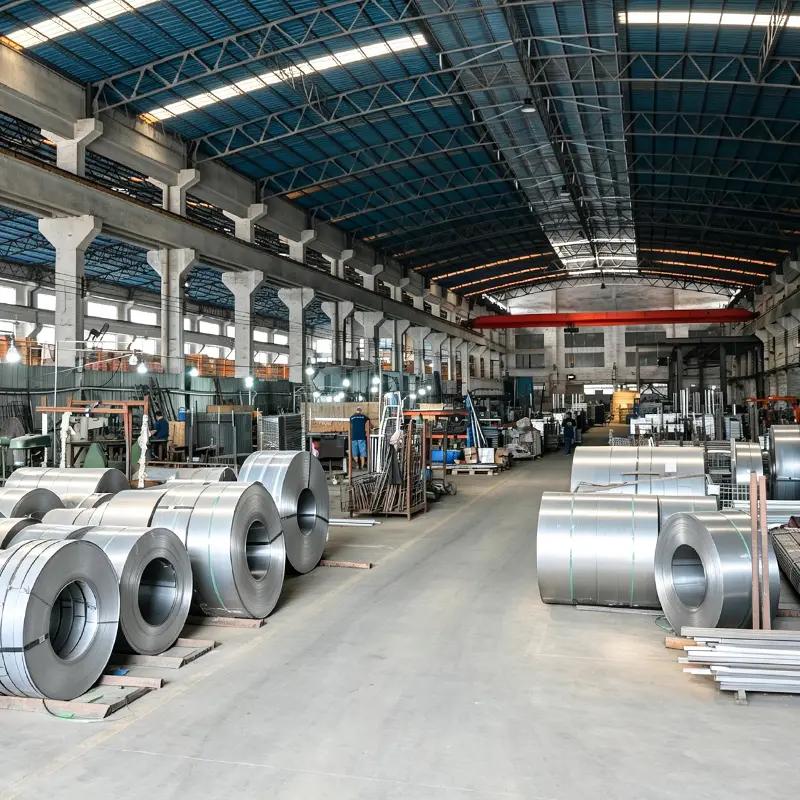
25+ Years Racking Expertise
Founded in 2001, solving complex high-load, layout, and throughput challenges across more than 10,000 warehouse projects worldwide.
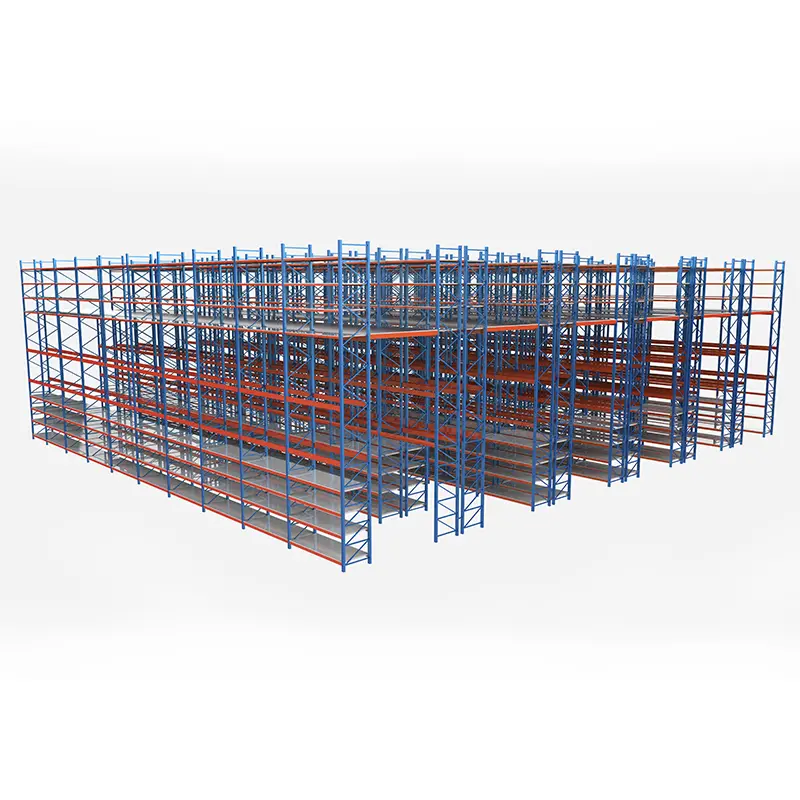
Complimentary 3D & CAD Layouts
Our senior structural engineering team provides free 3D digital renderings, AutoCAD warehouse layouts, and load calculation sheets within 24 business hours.
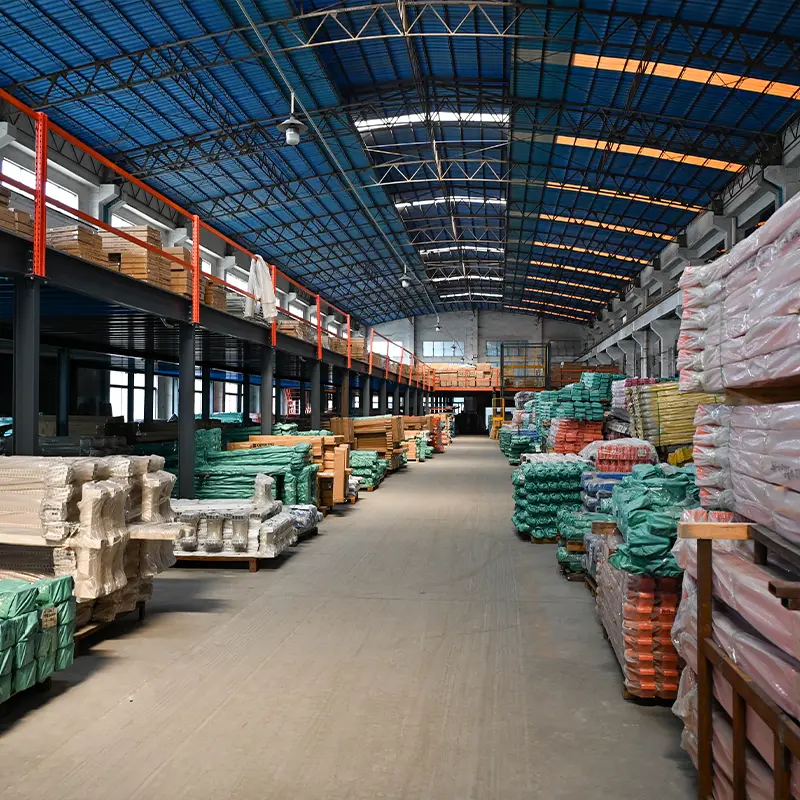
CE & ISO 9001:2015 Certified
Rigorous batch metallurgy tests, certified CE (No. 2435-CPR-8605159), ISO 9001:2015, and RoHS eco-compliant thermoset powder coating.
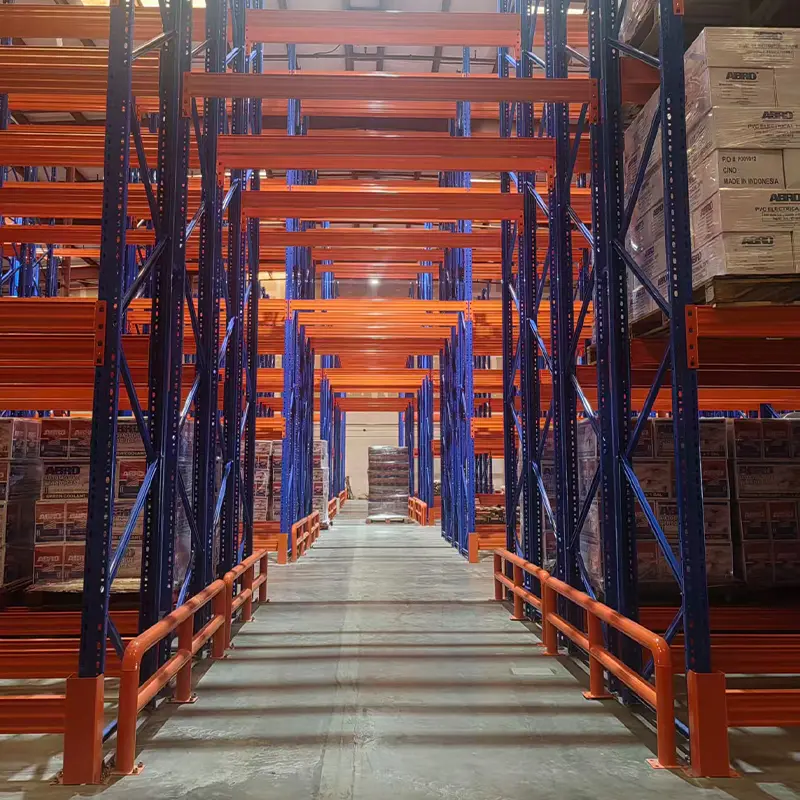
Tailored OEM & ODM Engineering
Bespoke profile dimensions, custom steel thicknesses, specialized safety accessories, and branded colors adapted to your regional distributor network.
Precision Quality Control Along Every Production Meter
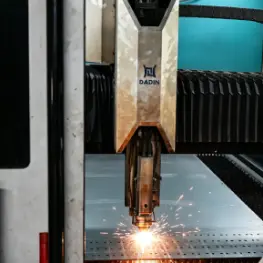
Continuous Roll Forming
High-precision multi-stage rolling lines cold-form prime Baosteel/Shougang Q235B/Q355B coils into rigid omega upright profiles with ±0.5mm dimensional fidelity.
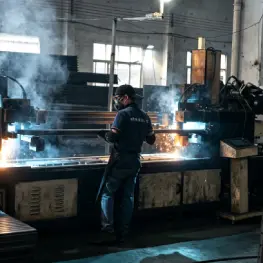
Robotic Automated Welding
Heavy duty beam connectors are joined to interlock box profiles via robotic CO2 shielded arc welding, ensuring continuous penetration and defect-free fillet welds.
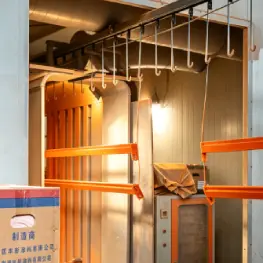
Automated Pre-treatment & Coating
Pickling, phosphating, electrostatic powder coating, and oven curing at 200°C create a durable finish, backed by rigorous batch QC before international export container loading.
Looking for Container Load Optimization to South America, Europe, or SE Asia?
Our logistics engineers calculate optimal stacking sequences for 20GP, 40GP, 40HQ, and 45HQ containers to minimize dead air and safeguard powder surfaces.
Frequently Asked Questions for Wholesale Racking Buyers
Direct answers addressing technical calculations, lead times, international quality certifications, and factory-direct ordering procedures.
What steel grades are utilized in HEDA heavy duty pallet racking, and can mill certificates be provided? +
How does your engineering team calculate maximum safe working load (SWL) per beam level? +
Can your racking systems be engineered for seismic zones in Latin America, New Zealand, or Southern Europe? +
What is the standard production lead time for full-container-load (FCL) wholesale orders? +
How do you protect pallet rack components from corrosion and damage during transoceanic container shipping? +
What parameters must I provide to obtain a complete CAD drawing and firm wholesale price quotation? +
Ready to Optimize Your Warehouse Storage Density?
Connect directly with our senior racking engineering specialists. Submit your warehouse specifications today to receive a customized 3D design concept, structural analysis, and transparent factory-direct wholesale pricing.