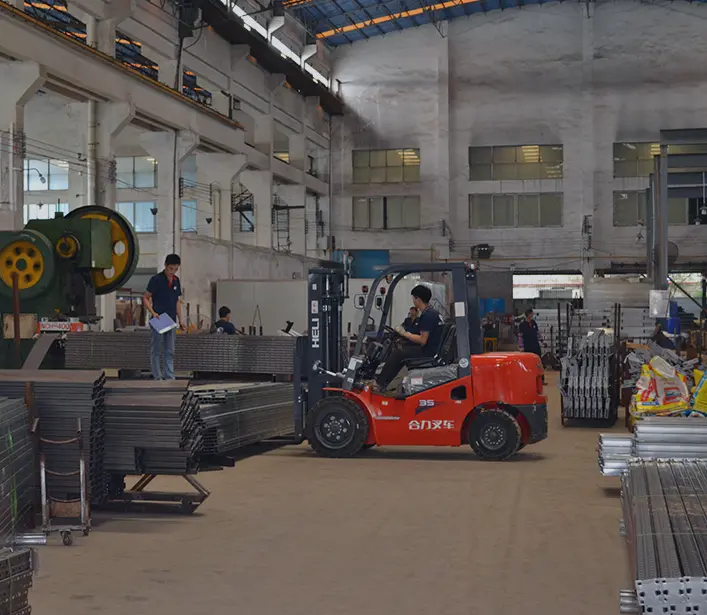
Fabricated with certified Q235B/Q355B structural steel, automated continuous roll forming, and 10-stage electrostatic powder coating. Built to withstand rigorous seismic profiles and multi-ton logistics workflows.
As omnichannel distribution, micro-fulfillment, and automation proliferate across international supply chains, modern rack shelving must balance dynamic kinetic loads, robotic picking precision, and extreme operational durability.
Traditional static pallet storage is rapidly giving way to automated storage and retrieval systems (ASRS) and autonomous mobile robots (AMRs). Racking structures must now comply with ultra-tight deflection criteria (≤ L/300) and strict floor flatness tolerances (FF/FL per ASTM E1155) to accommodate high-speed shuttle carriers without optical sensor jamming or carriage misalignment.
By shifting from conventional commercial hot-rolled sections to advanced high-strength micro-alloyed cold-rolled steel coils (Q355B and high-yield cold-rolled alternatives), structural self-weight is reduced by 15–22% without sacrificing section modulus or rotational stiffness. This dramatically lowers landed shipping freight while maintaining extreme structural safety factors.
With massive capital deployment in refrigerated cold-chain distribution (-30°C) and maritime coastal consolidation hubs, standard liquid paints crack and peel under thermal cycling and condensate exposure. Modern procurement mandates zinc-alloy continuous pre-coating and dual-layer electrostatic epoxy powder lines rated for 1,000+ hours in ASTM B117 salt fog chambers.
| Racking Architecture | Typical Load Capacity | SKU Selectivity | Floor Space Utilization | Seismic & Impact Rating | Primary Commercial Use-Case |
|---|---|---|---|---|---|
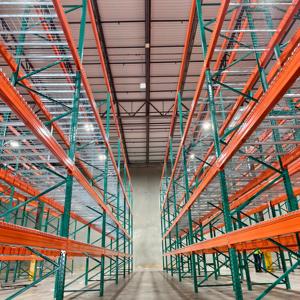
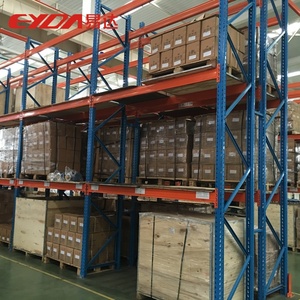
| Selective Pallet Racking | 1,000 – 4,000 kg / level | 100% Immediate Direct Access | 40% – 50% Volumetric Density | Moderate to High (Standard Bracing) | FMCG, 3PL Fulfillment, Multi-SKU Distribution |
| Drive-In / Drive-Through | 800 – 2,500 kg / lane | Low (LIFO / FIFO Bulk Lane) | 70% – 85% Maximum Density | Requires Heavy Top/Back Portal Ties | Cold Storage, Agricultural Harvests, Beverage Bottling |
| Radio Shuttle System | 500 – 1,800 kg / pallet | High Density Semi-Automated | 80% – 90% Ultra Density | Superior (Reinforced Guide Channels) | Frozen Food Chains, Large Batch Finished Goods Hubs |
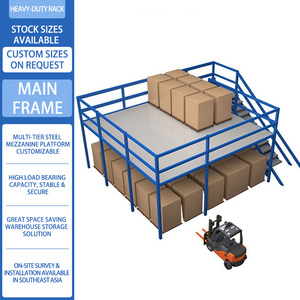
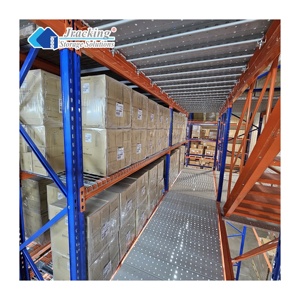
| Rack-Supported Mezzanine | 300 – 1,200 kg / m² floor | 100% Multi-Tier Manual/Tote | Doubles/Triples Vertical Cube | Engineered Custom Baseplate Anchoring | Auto Spare Parts, Apparel E-commerce, Retail Sorting |
| Heavy-Duty Cantilever | 500 – 3,000 kg / arm | 100% Unobstructed Lengthwise | Custom Vertical High-Bay | Rigid Column-to-Base Moment Connections | Steel Pipe, Extruded Aluminum, Lumber, Conduit Bundles |
Enterprise procurement directors and supply chain engineers are navigating inflationary shipping, stringent carbon accounting, and regional seismic variances. Successful sourcing now hinges on three core procurement shifts.
Global procurement teams have moved beyond assessing simple FOB factory gate pricing. High ocean freight rates demand rigorous design for packaging nesting density. By designing upright profiles with matching concave geometries and nesting step beams within unpunched cavity voids, leading buyers reduce required container counts by up to 25% on 5,000-pallet projects, driving down Total Cost of Ownership (TCO).
Multinational warehouse operators are standardizing on universal modular racking frames that integrate seamlessly across regional distribution nodes. Whether deploying facilities in North America, Latin America, Europe, or the Asia-Pacific, modular designs allow reconfigurable beam heights, quick teardrop clip repositioning, and transferable spare parts pools without requiring on-site torch-cutting or structural re-welding.
Underwriters and logistics risk management authorities increasingly demand third-party documented load testing, weld penetration ultrasonic inspections, and certified baseplate calculations. Modern procurement scopes require manufacturers to submit mill test certificates (MTC), non-destructive testing reports (NDT), and verifiable CE marking documentation as mandatory pre-requisites for letters of credit (L/C).
Comprehensive engineering, manufacturing, and international trade answers compiled directly from our structural engineering and export compliance department.