Modular Systems Selection
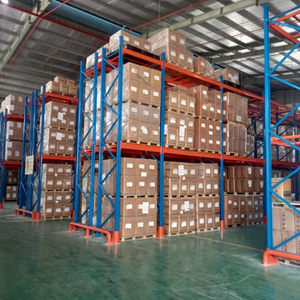
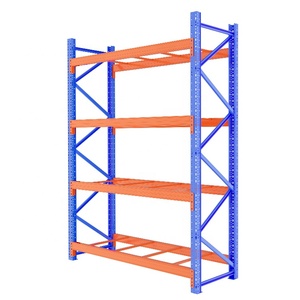
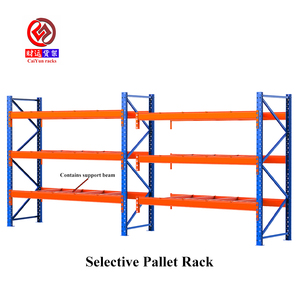
High-Efficiency Warehouse Racking & Pallet Systems
Verified structural steel solutions crafted to ISO 9001:2015 and EN 15512 European tolerances, tailored for heavy payload cycles, dynamic picking operations, and high-cube cubic spatial utility.
Executive Procurement Guide
Engineering Standards & Material Traceability
In modern industrial storage management, racking is a critical structural assembly subjected to cyclic dynamic loads, environmental fatigue, and seismic risks. Specifying OEM shelving requires looking past initial steel weight to calculate lifecycle durability.
Structural Deflection Compliance (EN 15512 / RMI Specification)
Structural failure in multi-tier pallet racking typically begins at connection joints and punched column profiles. Premium OEM manufacturers utilize cold-formed high-tensile Q235B or Q355B structural steel, maintaining beam deflection rates strictly below 1/200th of the span length under maximum static rated capacity, ensuring structural integrity even under asymmetric forklift impacts.
⚙️
Full OEM Customization
Complete structural adjustments: beam step profiles, box beam weld alignments, teardown slots, and custom pitch lengths (50mm, 75mm, 76.2mm) matching regional equipment and material handling fleet specifications.
🔬
Surface Chemistry & Finish
Multi-stage chemical pre-treatments combining acid pickling, automated phosphating, and electrostatic epoxy powder coatings to ensure a 60–80µm thickness, preventing salt corrosion in humid and cold-storage operations.
📐
Seismic Finite Element Analysis
Custom structural calculations factoring in geographic seismic risks (e.g., Chilean NCh 2369, Peruvian E.030, and UBC seismic zones 1–4). Upgraded floor anchoring plates and structural bracing are engineered directly into every build.
📦
Export Pack & Cube Planning
Engineered nesting bundles, structural protective wraps, and customized 40HQ container load plans that maximize container fill rates above 92%, drastically lowering transoceanic freight and handling damage.
Market Intelligence
Future Industrial Storage Trends (2025–2030)
Enterprise warehousing is pivoting from static structural iron to intelligent, highly automated storage ecosystems. Here is what industrial logistics engineers and corporate procurement directors are planning for.
🤖
ASRS & Shuttle-Ready Tolerance
Modern pallet structures must accommodate autonomous mobile robots (AMR) and four-way radio shuttle systems. Roll-forming tolerances must maintain sub-millimeter variances along runs exceeding 100 meters, ensuring zero drift during high-speed sensor navigation.
❄️
Low-Carbon Cold Chain Logistics
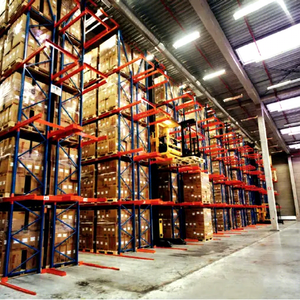
Cold chain logistics are expanding rapidly for perishable goods, biologics, and pharmaceuticals. As refrigerated warehousing energy costs escalate, facilities are transitioning from low-density selective layouts to dense drive-in and radio shuttle systems, maximizing thermal efficiency per cubic meter.
📊
Structural Health Telemetry
The next phase of warehouse safety combines industrial internet of things (IIoT) sensors directly with upright structural columns. Real-time telemetry detects dynamic load shifts, unintended forklift column strikes, and joint stress fatigue, helping safety managers address structural vulnerabilities proactively.
Procurement Playbook
Procurement Evolution: Direct-from-Factory OEM vs Distributors
Global procurement teams are reassessing intermediary distribution chains in favor of factory-direct partnerships that provide engineering accountability and total cost transparency.
📋
Bill of Materials Transparency
Tier-1 procurement protocols now demand raw steel certifications (EN 10204 3.1) along with structural profiles, steel gauge verification, and powder cure test results, ensuring that materials are not downgraded mid-production.
💡
Integrated BIM & 3D Digital Twin Layouts
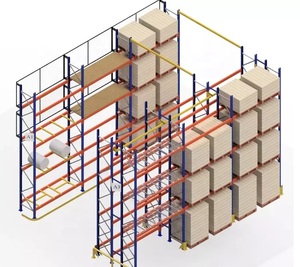
Procurement teams increasingly expect complete Building Information Modeling (BIM) files prior to cutting steel. Direct-from-manufacturer digital drawings verify spatial compatibility with existing sprinkler infrastructure, dock heights, and forklift turn radiuses.
🛡️
Standardized Total Cost of Ownership
Evaluating initial steel costs alone is outdated. Modern asset managers factor in lifetime reconfigurability, standardized accessories (wire decks, post protectors, pallet supports), and factory availability of compatible replacement components over 15-year cycles.
Technical Sourcing Support
Frequently Asked Questions by Industrial Sourcing Teams
Comprehensive technical guidance on container logistics, structural compliance, surface coatings, and layout design directly from our structural engineering division.
How do you verify the load-bearing capacity for custom rack orders?
Every customized racking configuration undergo structural verification utilizing Finite Element Analysis (FEA) based on EN 15512 or ANSI/RMI MH16.1 specifications. We cross-verify beam section modulus, column yield strengths, and beam-to-frame connector tab deflection under ultimate load conditions (calculating with standard safety factors of 1.5 to 1.95 depending on regional building codes). Physical compression and destructive test samples are executed on production roll batches upon buyer request.
What parameters are needed for a complimentary custom warehouse 3D/CAD layout?
To generate an optimized structural layout, we request: (1) Facility architectural drawings showing column grid locations, dock clearances, and clear ceiling heights under roof trusses; (2) Pallet specifications (width, depth, overall height including pallets, and gross load weight); (3) Material handling equipment parameters including forklift turning radius, mast height, and reach limits; (4) Inventory turnover strategy (FIFO vs. LIFO); (5) Regional seismic code requirements.
How does the factory prevent corrosion during ocean shipping and tropical operation?
To guard against condensation and maritime corrosion during transoceanic transit, all structural components undergo automated shot blasting or acid-pickling wash, followed by zinc phosphate passivation and electrostatic thermosetting polyester powder coating baked at 180°C–200°C. Finished parts are wrapped in protective polyethylene cushioning with built-in desiccant packs. Hot-dip galvanized steel finishes (ASTM A123) are available for open-air yards, sub-zero cold rooms, or chemical storage facilities.
Can our order be private-labeled and packaged for regional distributor sales?
Yes. We offer turnkey OEM/ODM contract manufacturing for industrial rack integrators and material handling distributors. This covers custom color-matched powder coatings (RAL designations), automated laser-embossed customer branding on frame columns, personalized load notification signage, custom hardware packaging, and white-label assembly documentation tailored for immediate end-user delivery.
What are standard production lead times and global ocean container load procedures?
Standard production schedules for high-volume orders (3 to 10 40HQ containers) range between 15 to 25 working days following engineering drawing approvals. We maintain an engineering load planning process: frames, beams, and pallet flow rails are bundled using steel banding with custom softwood saddles to ensure stability, prevent finish abrasion, and streamline forklift unloading at the destination port.
How are seismic zone requirements managed for multi-tier mezzanine and high-bay projects?
For seismically active markets (e.g., the Pacific Rim, Western South America, and Southern Europe), our structural engineering team recalculates frame footprint dimensions, upgrades steel anchor sizes (using wedge mechanical or chemical anchor systems), thickens bottom base plates, and integrates supplementary cross-aisle and down-aisle bracing towers to control lateral seismic drift within standard building codes.
Design Your Optimized Industrial Storage Layout Today
Speak directly with our senior application engineers. Share your facility dimensions, throughput profiles, and pallet configurations to receive a free, comprehensive CAD layout and structural feasibility study within 24 hours.
Get a Quote