Engineered Drive-In & High-Density Storage Solutions
Factory-direct industrial pallet systems engineered using certified Q235B cold-rolled structural steel, optimized for uniform pallet storage, high SKU volume, and continuous forklift duty cycles.
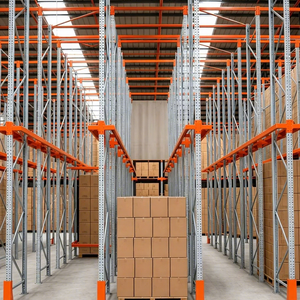
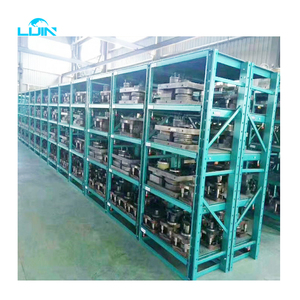
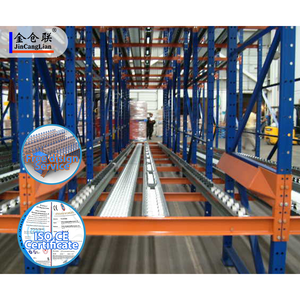
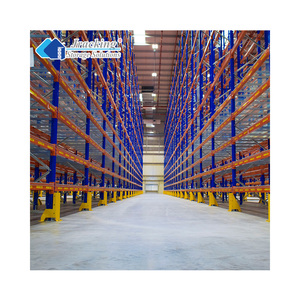
Enterprise Advantages: Advanced Engineering & OEM Scalability
Operating a modernized 30,000 m² production base supported by 300+ structural engineers, automated roll-forming equipment, and comprehensive robotic manufacturing lines.
Certified Structural Steel Q235B / Q355B
Every cold-formed profile utilizes prime coil steel with mill test certification. Formulations feature strict yield limits conforming to international load benchmarks, ensuring no plastic deformation under maximum rated dynamic forces.
CE & ISO 9001:2015 accredited quality verification covering raw material coil slitting to automated cold bend roll forming.
Proprietary Anti-Corrosion Finishing
Our 10-stage automated surface treatment process includes high-pressure chemical pickling, degreasing, and phosphating followed by dense electrostatic polyester thermoset powder coating baked at 200°C.
Offers exceptional salt spray resistance, making racking completely impervious to the condensation demands of -30°C cold chain logistics.
Full OEM/ODM Structural Customization
We supply international distributors and project developers with tailor-made upright hole punching (50mm, 75mm, 76.2mm pitch configurations), custom-thickness cantilevers, guided rail track profiles, and seismic ground anchoring shoes.
Receive comprehensive free 3D CAD & BIM simulation detailing upright stress analysis within 24 working hours.
Future Sourcing & Technological Trends in Drive-In Racking
How automation, warehouse space economics, and shifting supply chains are shaping high-density industrial storage system procurement.
Shift Toward Radio Shuttle Hybridization
Global procurement teams are prioritizing Drive-In to Shuttle conversions. Modern rack lanes are increasingly prefabricated with universal rail extrusions capable of supporting conventional forklift loading today and autonomous battery-powered pallet runners tomorrow.
This lowers operational cycle times by up to 50% while completely mitigating internal forklift frame impact hazards.
Seismic Engineering Compliance
With severe global weather and geological challenges, warehouse buyers no longer treat racking as static furniture. Modern sourcing guidelines mandate FEM 10.2.02, RMI MH16.1, and EN 15512 seismic calculations.
Heavy base plates, bolted portal ties, and continuous diagonal frame braces must be dynamically sized against regional seismic data.
Traceable Green Steel & Eco Coatings
Carbon footprint transparency has entered B2B procurement rubrics across Europe, North America, and South America. High-efficiency factories must demonstrate verified material scrap reduction, non-toxic lead-free polyester coatings, and optimized sea-container packing logic that cuts ocean freight emissions per ton delivered.
Frequently Asked Questions on Drive-In System Sourcing
Technical clarity for procurement managers, structural consultants, and supply chain directors.
What is the density efficiency gain of Drive-In over Selective Racking?
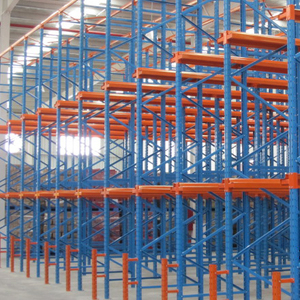
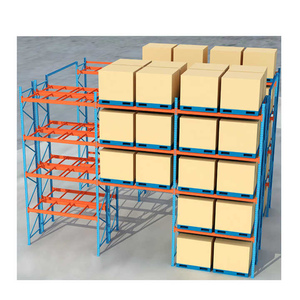
Drive-in systems eliminate conventional operating aisles, consolidating warehouse storage capacity by up to 75-80% over standard selective beam racks. They are optimal for homogenous product lines with high pallet counts per SKU following First-In-Last-Out (FILO) logic.
How do you prevent upright frame damage from forklift entry?
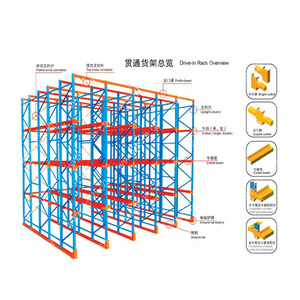
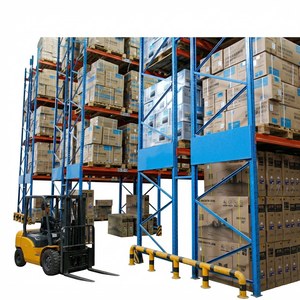
Because forklifts physically operate inside the racking channels, we engineer heavy-duty wrap-around column protectors, floor-anchored continuous guide rails, and flared lead-in pallet bracket arms that guide drivers and prevent structural column impacts.
What specifications are required for a structural calculation and quote?
We require the clear internal warehouse height, floor concrete slab thickness and rebar rating, pallet dimensions (depth, width, overall height including cargo), maximum pallet gross weight, forklift chassis clearance, and the operating environment temperature profile.
How does hot-dip galvanization compare with powder coating for cold chain?
For standard low-temperature storage down to -25°C with controlled relative humidity, multi-stage electrostatic epoxy/polyester powder coating performs reliably. For extreme blast chillers or facilities prone to washdowns and condensation cycles, hot-dip galvanizing per ISO 1461 provides lifetime cathodic protection against rust.
What is the production turnaround and container export loading standard?
Standard OEM project manufacturing takes 15–25 days from drawing confirmation. Components are packed using specialized bundle strapping, air-cushion protectors, and steel base cradles to ensure upright profiles and beams arrive free of bending and paint abrasion at destination ports.
Consult with our Senior Racking Structural Engineers
Submit your warehouse CAD floor plan today to receive complete structural load assessments, spatial optimization schemes, and direct factory pricing.
Contact Us