Engineered Push-Back & High-Density Product Systems
Fabricated from certified Q235B and Q355B cold-rolled structural steel. Every carriage system undergoes rigorous dynamic slope calibration and load-stress analysis before export packing.
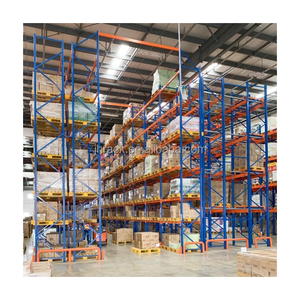
Non-Standard Customized Heavy Duty Push Back Rack System
Configurable 2-to-6 deep nested carriage storage platform designed for high-density LIFO rotation, equipped with precision gravity incline rails and drop stops.
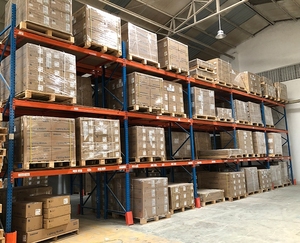
Heavy Duty 3-Layer Adjustable Pallet Racking System
Direct-access cold-rolled structural pallet rack utilizing 75mm/50mm pitch adjustable beam slots, durable epoxy electro-powder coating, and heavy footplate anchoring.
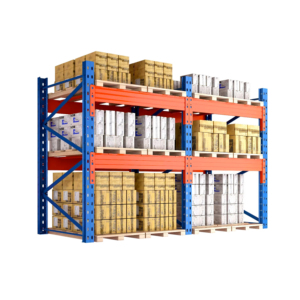
Anti-Rust Space-Saving Narrow Aisle Racking (VNA)
Floor-space maximizing VNA upright architecture engineered with mechanical guide rails, high-toleranced bracing, and boltless safety locking pins.
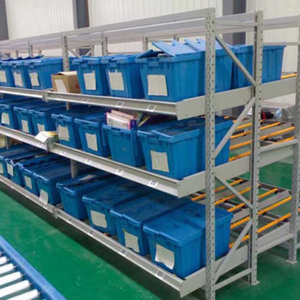
Heavy Duty Gravity Pallet Flow Rack System
Self-regulating FIFO pallet flow bed engineered with heavy-duty steel roller tracks, dynamic centrifugal speed governors, and entry ramp impact dampeners.
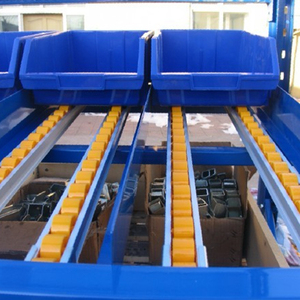
Sliding Roller Carton Flow Picking System
Ergonomic split-case picking system utilizing aluminum alloy guide tracks, high-density polyethylene skate wheels, and modular lane dividers for rapid order fulfillment.
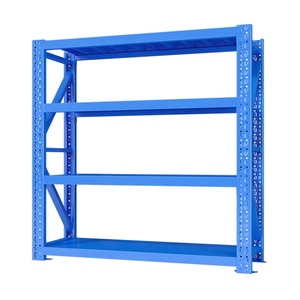
Adjustable Medium/Light Duty Steel Shelving
High-rigidity cold-rolled steel shelving with 300kg per level uniform distributed load capacity, designed for fast boltless clip-in assembly and shelf reconfiguration.
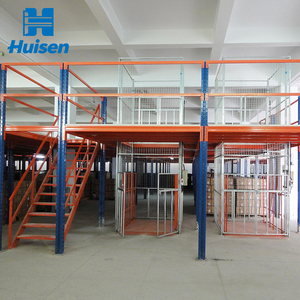
Rack-Supported Mezzanine & Attic Loft Platforms
Integrated multi-tier structural steel mezzanine platform rated up to 1,000 kg/m², doubling cubic storage volume while unifying lower pallet bays with upper-tier picking.
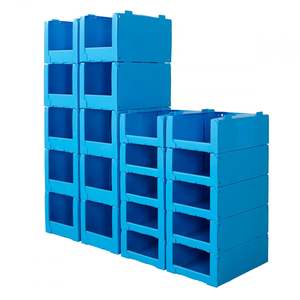
Industrial Foldable Stackable Warehouse Picking Bins
Virgin polypropylene (PP) injection-molded logistic picking containers with reinforced bottom ribs, integrated card slots, and nesting profiles for dynamic warehouse flow.
Kinematics & Structural Mechanics of Push-Back Racking
An authoritative analysis of nested carriage mechanics, rail inclination physics, dynamic friction coefficients, and structural stability factors for heavy industrial deployments.
Nested Cart Mechanics vs. Continuous Gravity Rollers
Push-back pallet racking represents the apex of mechanical efficiency in high-density Last-In, First-Out (LIFO) inventory staging. Unlike gravity flow racks that require continuous dynamic roller lanes equipped with mechanical brake rollers, a push-back system operates on a low-profile nested carriage assembly travelling along structural steel inclined guide channels.
In a standard 2-to-6 deep configuration, each pallet position—except the final lane position—is supported by a dedicated nested steel carriage. When loading, the forklift operator pushes back the pallet resting on the top carriage to expose the subsequent carriage below. The loading force formula is governed by:
Where θ represents the rail slope angle (engineered strictly between 1.5% and 2.5%, equivalent to 0.85° to 1.45°), and μ denotes the rolling friction coefficient of shielded flanged steel wheel bearings (μ ≈ 0.005–0.012). This calibrated engineering ensures that push forces remain comfortable within conventional forklift drive hydraulic capacities (under 800 N push resistance per 1,200 kg pallet load).
- No Forklift In-Rack Entry: Eliminates mast collision hazards associated with drive-in upright damage, cutting maintenance overhead by over 78%.
- Independent Lane Selectivity: Each lane operates on an isolated carriage channel, permitting distinct SKU assignment across vertical rack levels.
- Fail-Safe Mechanical Stops: Heavy welded mechanical impact end-stops and cart interlocking tabs prevent carriage derailment under rapid picking speeds.
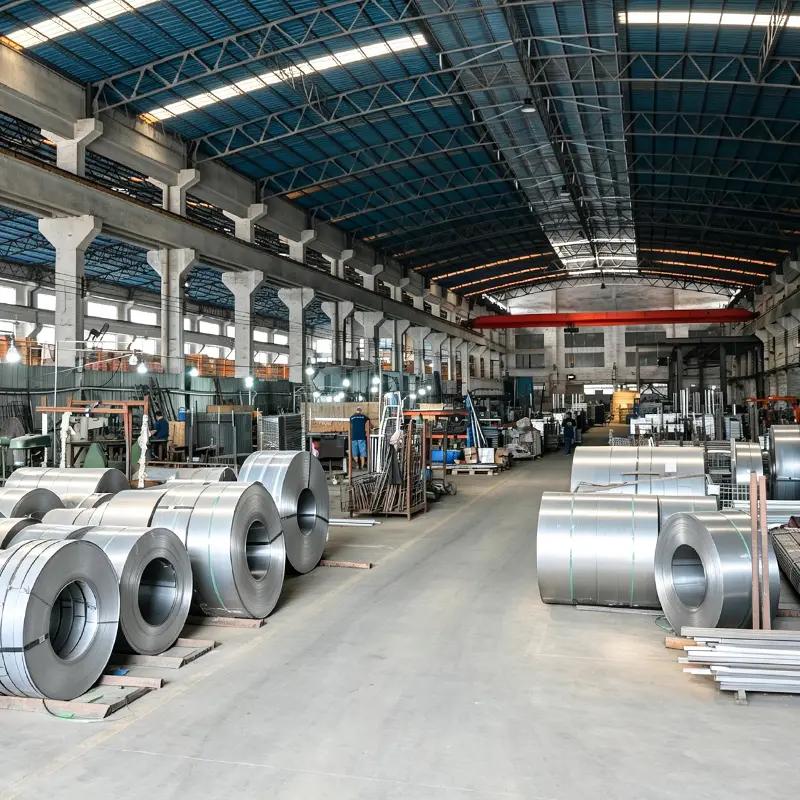
Push Back vs. Alternative High-Density Systems (Comparative Matrix)
A critical technical evaluation illustrating where push-back systems outperform selective, drive-in, pallet flow, and radio shuttle architectures across key operational metrics.
| Storage System Architecture | Storage Density | SKU Selectivity Ratio | Pallet Honeycombing Loss | Forklift Cycle Time | CapEx / Pallet Position | Structural Impact Vulnerability |
|---|---|---|---|---|---|---|
| Push-Back Racking (2-6 Deep) | High (75%–85%) | Moderate (1 SKU per lane) | < 10% (Low) | Fast (No rack entry) | Moderate ($110 - $160) | Very Low (External bays only) |
| Selective Pallet Racking | Low (40%–50%) | 100% (Direct access) | 0% (None) | Fast | Low ($45 - $75) | Low to Moderate |
| Drive-In / Drive-Thru Racking | Very High (80%–90%) | Very Low (1 SKU per block) | High (> 35%) | Slow (Mast entry required) | Low to Moderate ($80 - $120) | Severe (High structural risk) |
| Radio Shuttle Automation | Maximum (85%–92%) | Moderate (1 SKU per channel) | Low (< 8%) | Automated / High | High ($220 - $380) | Low (Electronic maintenance) |
| Gravity Pallet Flow (FIFO) | Very High (80%–90%) | Moderate (1 SKU per lane) | Low (< 12%) | Fast (Separated load/pick) | High ($180 - $260) | Low (Roller maintenance) |
Guangzhou HEDA Shelves: Tier-1 OEM/ODM Production Hub
Headquartered in Guangzhou since 2001, HEDA Shelves integrates raw coil slitting, roll forming, robotic welding, automated phosphating, and powder coating across 30,000 square meters of specialized infrastructure.
Certified Metallurgy & Tolerances
We source prime cold-rolled steel coils exclusively from premier Tier-1 domestic mills (such as Baosteel and Shougang). Raw steel yields, tensile properties, and chemical profiles conform to Q235B and high-strength Q355B (ASTM A572 Grade 50 equivalent), backed by EN 10204 3.1 mill test certificates.
Precision Roll-Forming Lines
Our workshop houses 16 continuous CNC cold roll-forming production lines. Column uprights are punched with automated high-speed mechanical presses maintaining pitch precision within ±0.1mm. High torsional resistance profiles prevent lateral beam buckling under rated structural seismic conditions.
Electrostatic Epoxy Powder Line
Surface treatment adheres to strict 10-stage preparation: degreasing, hot water rinsing, acid pickling, rust removal, surface conditioning, and zinc phosphating, followed by automated dual-cyclone electrostatic epoxy powder application (60–90 μm film thickness) curable at 200°C.
Engineered Order Execution: From Layout to Container Dispatch
A disciplined project management workflow delivering verified accuracy for importers, project contractors, and regional distributors worldwide.
CAD & 3D Feasibility
Our 300+ engineering team models warehouse CAD floor plans, pallet deflection dynamics, forklift turning radiuses, building column clearances, and egress aisles without charge.
Seismic & FEM Design
Load calculation verification according to regional building codes: Chilean NCh 2369, Peru E.030, Colombia NSR-10, US RMI MH16.1, and European standard EN 15512.
Controlled CNC Production
CNC punching, robotic carriage welding, precision rail alignment, and batch powder-coating quality inspections with laser micrometer dimension verification.
Container Load Optimization
Uprights and beams are bundled with protective corrugated paper and stretch film. Carriages are skid-packed to eliminate ocean freight corrosion and maximize 40ft HQ cube utilization.
Future Procurement & Technological Trends in Push Racking
Anticipating structural, telemetric, and metallurgical advancements shaping high-density intralogistics procurement over the coming decade.
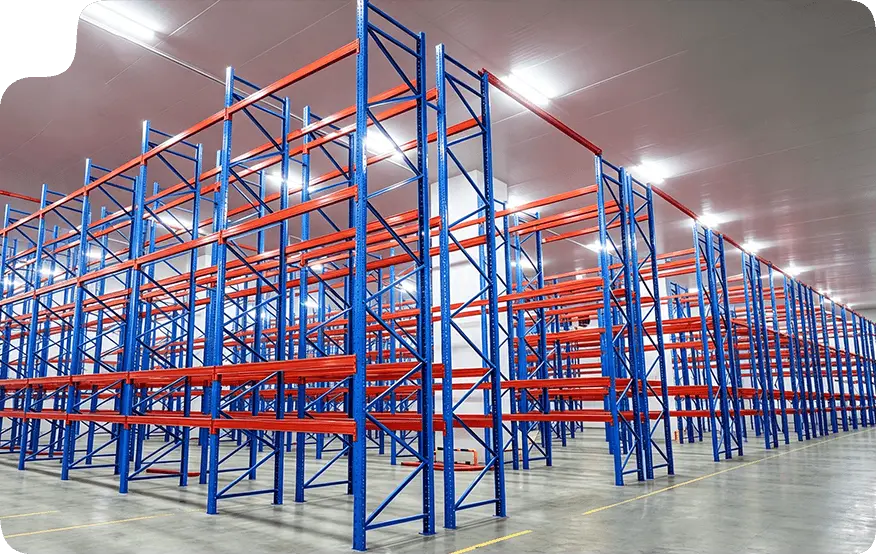
1. Deep-Freeze & Temperature-Controlled Supply Chains
Refrigerated warehouse operating costs per cubic meter are up to 4.5 times higher than ambient dry facilities. Driven by booming global cold-chain trade in proteins, seafood, and fresh produce, procurement is shifting rapidly toward deep-freeze push-back configurations (-25°C to -30°C).
Future-ready OEM specifications require low-temperature rated synthetic bearing grease (preventing viscosity freeze-up), stainless-steel carriage axles, and hot-dip galvanized carriage frames (per ISO 1461) to eliminate condensation-induced rust during defrost cycles.
2. Low-Alloy High-Strength (HSLA) Steel Thin-Walling
With escalating carbon border tariffs and ocean freight dynamics, procurement managers are prioritizing racks fabricated from advanced high-strength steels (such as Q355B and Q460). These alloys permit reduced section thickness without compromising structural yield capacity, cutting overall freight deadweight by 12% to 18% per shipped container.
3. Smart Kinetic Dampers & Telemetric Cart Tracking
Next-generation push-back designs incorporate self-adjusting hydraulic speed dampers embedded within the inclined guide rails. These dampers eliminate excessive carriage return speeds when operators remove a pallet too rapidly, protecting delicate glass packaging and preventing dangerous pallet lurching.
Hybrid AS/RS Staging Buffers
Push-back modules are increasingly specified as dynamic gravity buffer spurs at the induction and discharge ends of Automated Storage & Retrieval Systems (AS/RS), mitigating AMR/AGV peak congestion without expensive continuous powered conveyors.
Universal Multi-Pallet Adaptability
Modern distribution centers manage diverse pallet standards (Euro 800x1200, GMA 40x48, Australian 1165x1165). Forward-looking buyers require OEM carts engineered with universal full-perimeter undercarriages and integrated secondary mesh supports to prevent pallet runner sagging.
Circular Life-Cycle & Re-powdering
Corporate ESG imperatives mandate non-toxic TGIC-free epoxy powder coatings that release zero VOCs during curing. Component design is moving toward modular mechanical fasteners that enable end-of-life steel recycling with zero residual polymer contamination.
OEM/ODM Push Racks Technical FAQ
Engineering answers to the most rigorous technical, commercial, and operational questions asked by warehouse operators and supply chain executives.