Engineering-Grade Industrial Racking Systems
Factory-direct fabrication complying with international FEM, RMI, and CE safety standards for global industrial applications.
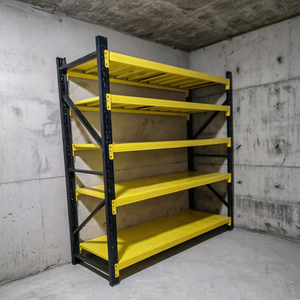
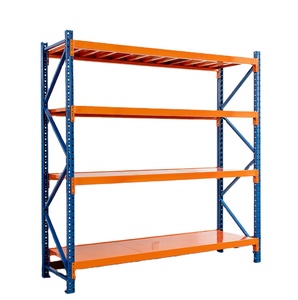
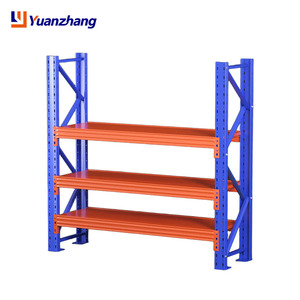
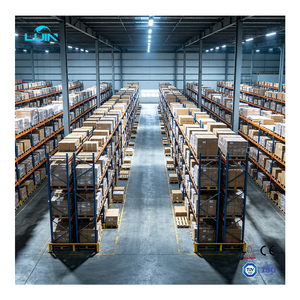
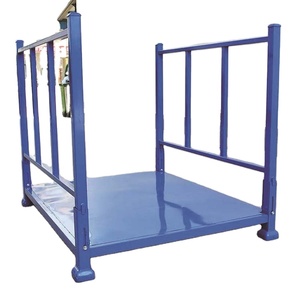
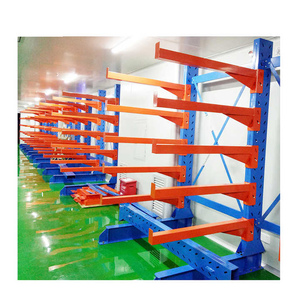
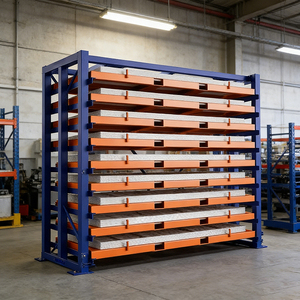
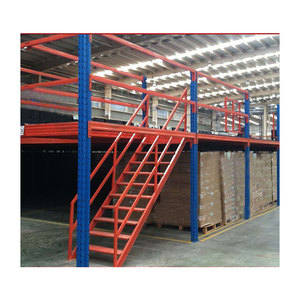
Strategic Engineering Principles for Industrial Pallet Racking in Modern Warehouses
In modern industrial logistics, static floor-level staging is no longer viable. High-density storage requires comprehensive structural engineering designed to optimize cubic utilization while strictly adhering to safety codes. When designing racking for massive logistics hubs or regional distribution centers, industrial engineers evaluate several foundational factors: dead load versus live dynamic load ratios, elastic deformation limits under maximum capacity, and critical forklift impact forces.
A reliable warehouse rack is a finely calibrated steel structure. Beam profiles, upright columns, and bracing trusses must endure constant cyclic stress caused by material handling operations, pallet load variances, and environmental influences like building deflection and seismic tremors. By specifying certified Q235B and Q355B structural cold-rolled steel, warehouse operators prevent structural fatigue, reduce operational liabilities, and significantly increase throughput across high-turnover fulfillment centers.
Global Seismic Engineering: Compliance Beyond Regional Minimums
Modern distribution centers, especially those in seismically active regions like the Pacific Rim, the Andean belt (Chile, Peru, Colombia), or the Mediterranean, require specialized structural engineering. Standard industrial shelving cannot safely withstand horizontal dynamic shear forces during a seismic event without upgraded structural considerations.
Certified rack engineering integrates Finite Element Analysis (FEA) to simulate horizontal base excitation. Upgraded systems feature thicker floor anchor plates, high-tensile anchor bolts, and specialized top-tie portal frames to counter seismic forces. These designs comply directly with regional engineering codes, including Eurocode 3 (EN 1993-1-3), the American RMI ANSI MH16.1 specification, and national codes such as Chile's NCh 2369 and Peru's E.030 standard.
FEA Structural Modeling
Every customized installation undergoes advanced Finite Element Analysis to evaluate localized joint deflection, cross-beam weld tension, and base-plate floor bearing stresses under full design loads.
Seismic Dampening Geometry
High-grade Q355B micro-alloyed steel uprights are paired with custom heavy-duty base plates to safely dissipate lateral harmonic acceleration during seismic occurrences.
Precision Roll-Forming
Automated multi-station cold-roll forming lines deliver exact hole-pitch tolerances, ensuring seamless beam connector locking and eliminating structural eccentricity across multi-tier layouts.
Future Procurement Trends in Industrial Storage (2026–2030)
Warehouse racking procurement is transitioning from a traditional commodities market into an integrated engineering discipline driven by intralogistics technology. Supply chain leaders planning capital expansions over the next decade must consider several key industry advancements:
1. Direct Integration with High-Density Automated Systems (AS/RS & Radio Shuttles)
Rising commercial industrial land costs make wide-aisle counterbalance configurations cost-prohibitive. Operators are increasingly adopting semi-automated radio shuttle tracks and high-bay AS/RS systems. This shift requires significantly tighter manufacturing tolerances across the entire structure, with deflection thresholds dropping from traditional 1/200 ratios down to 1/400 or lower to ensure reliable crane and shuttle navigation.
2. Advanced Surface Treatments for Cold-Chain and High-Humidity Facilities
Global food security corridors and pharmaceutical cold storage demand advanced corrosion prevention. Standard single-coat liquid finishes degrade rapidly when exposed to sub-zero temperatures and high condensation. Modern procurement frameworks specify multi-stage zinc phosphating combined with high-grade electrostatic polyester powder coatings (70–90 microns), or direct hot-dip galvanization (HDG) for environments down to -30°C.
3. Sustainable Lifecycle Logistics and Demountable Modularity
Circular economic principles increasingly influence corporate procurement. Logistics infrastructure must be modular and reconfigurable. Modern distribution hubs require interchangeable boltless teardrop or diamond-hole beam locks that can adapt as pallet profiles change, avoiding complete structural replacements when inventory SKUs evolve.
Strategic Enterprise Advantages: Why Industry Leaders Partner with HEDA Shelves
Operating a sprawling 30,000 square meter state-of-the-art production base supported by more than 300 technical specialists, Guangzhou Heda Shelves Co., Ltd. provides factory-direct engineering and export manufacturing that bridges complex technical requirements with global supply chains.
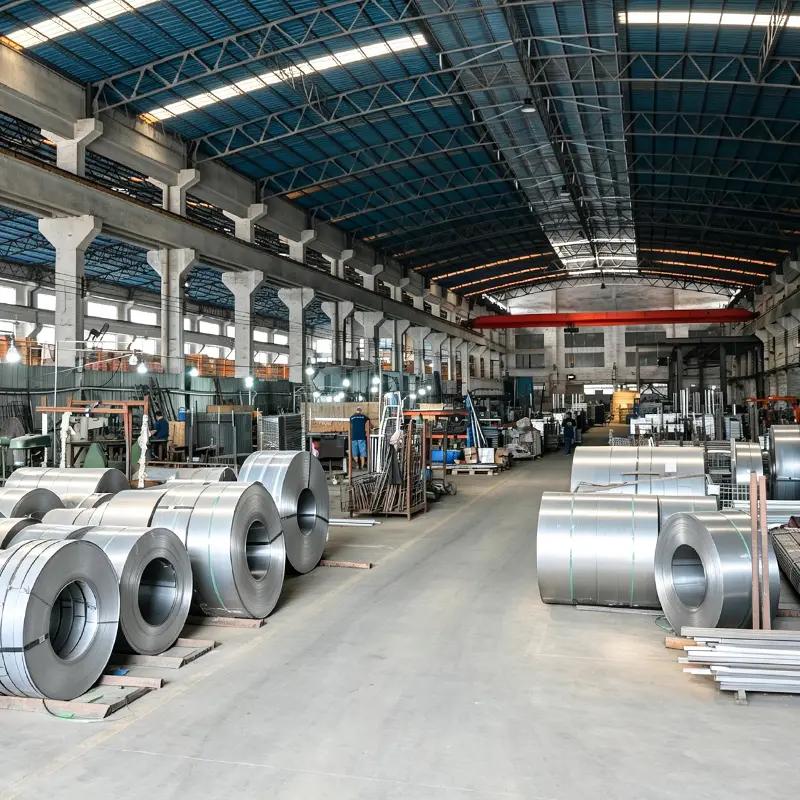
25+ Years Experience
Specialized structural intralogistics manufacturing serving Fortune 500 logistics firms, e-commerce giants, and cold chains since 2001.
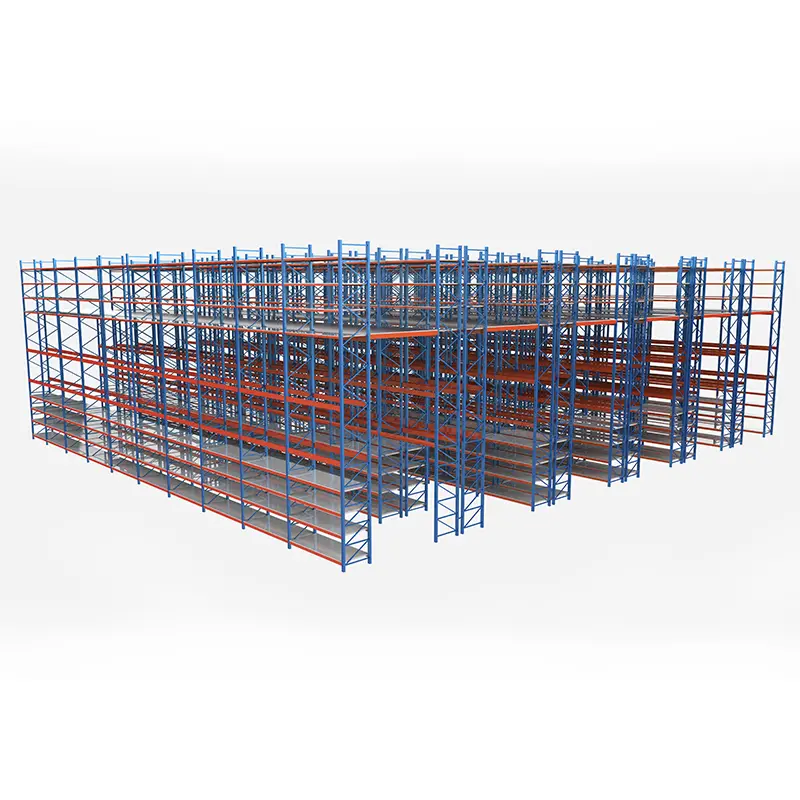
Complimentary Engineering
Full 3D digital twins, complete structural verification, and professional CAD floor layout models delivered within 24 business hours.
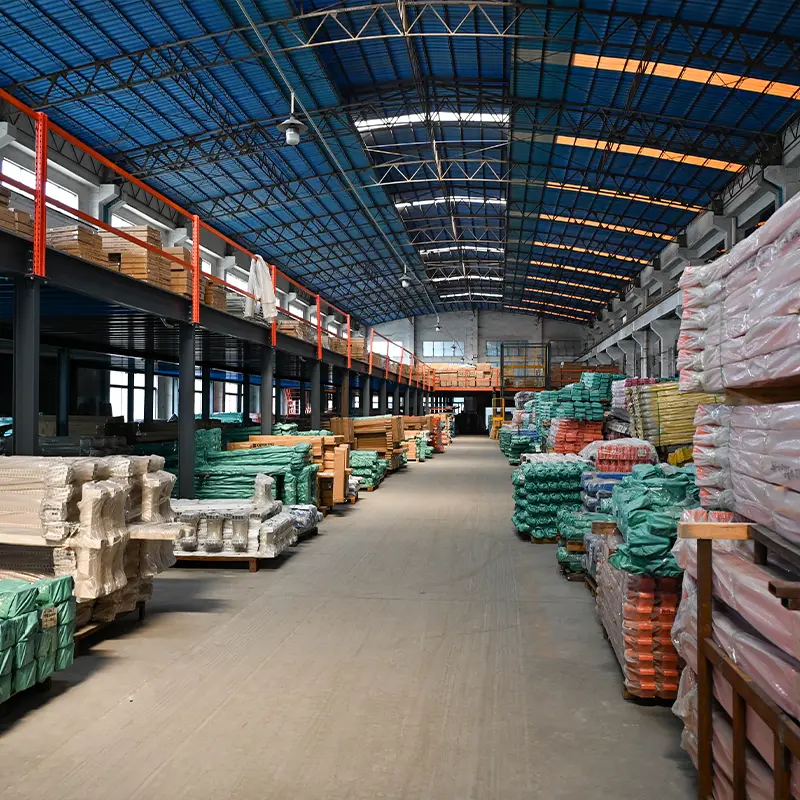
Rigorous Quality Testing
Fully compliant with ISO 9001:2015 and verified CE manufacturing credentials (Certificate No. 2435-CPR-8605159) on all steel systems.
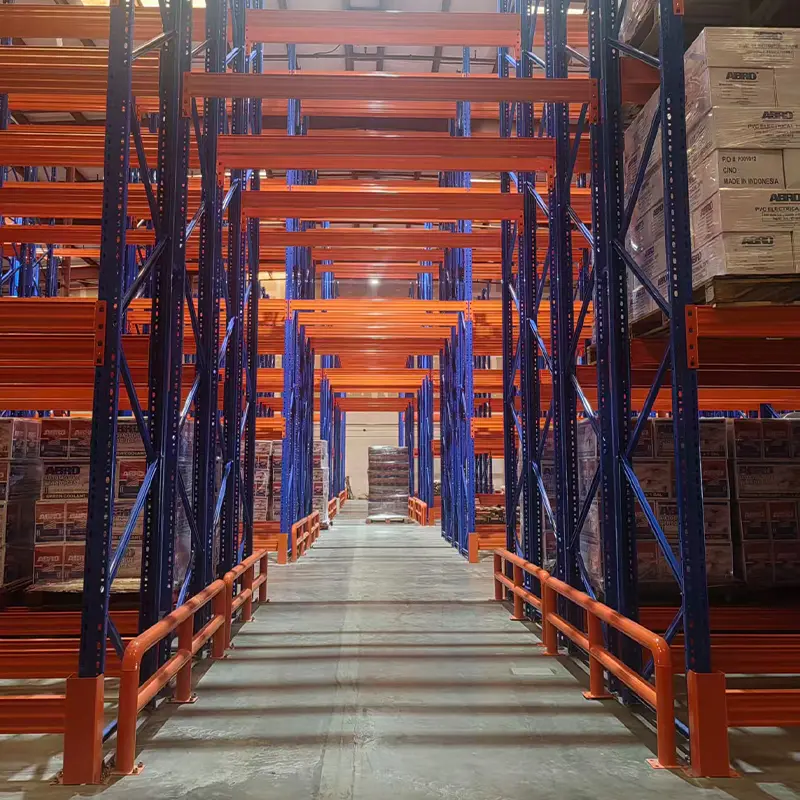
End-to-End Engineering
Direct customization of upright gauges, structural beam thicknesses, floor grating types, and container packing configurations.
Procurement & Engineering FAQ
Direct technical answers to common questions about international shipping, seismic engineering, and production standards.
How do you engineer warehouse racking for high-risk seismic zones?
Our structural team utilizes localized ground acceleration data (Ss and S1 values) to model the rack system using dynamic response-spectrum analysis. We adjust the gauge of our upright profiles, enlarge and thicken the floor base plates, use heavy-duty chemical anchors, and install reinforced horizontal and vertical cross-bracing to ensure the structure safely absorbs dynamic loads in full compliance with local seismic building codes.
What is your monthly manufacturing capacity and typical order lead time?
With an advanced 30,000 square meter production facility and automated roll-forming lines, we maintain a monthly throughput capacity of 30,000 tons. Standard pallet racking systems typically complete manufacturing within 14 to 28 business days following engineering drawing sign-off. Phased deliveries can be scheduled for large-scale logistics developments to align with the facility's construction milestones.
How are international shipments protected against transit corrosion?
All structural steel goes through a four-stage pre-treatment process: automated shot-blasting, degreasing, acid pickling, and phosphating. We then apply an electrostatic thermosetting polyester powder coat cured at 200°C. For ocean transit across humid tropical routes, components are bundled with protective edge guards, vapor-corrosion-inhibiting wrapping, and corrugated separators, with moisture desiccants placed inside every export shipping container.
What details are required to generate an accurate 3D layout and quote?
To prepare an initial layout, our engineering team needs your warehouse architectural drawings (showing clear ceiling height, column locations, and fire exit doors), pallet specifications (width, depth, overall height including cargo, and maximum gross weight), forklift models and their required turning radii, and the local operational ambient temperature range.
What after-sales and installation support do you provide overseas?
Every overseas shipment includes detailed, numbered CAD assembly drawings and 3D installation videos showing component orientations. We offer remote engineering support to answer contractor questions during construction, and can deploy bilingual installation supervisors to large project sites to oversee anchor bolt tensioning, beam leveling, and final sign-off.