Enterprise Inventory Systems
Engineered Warehouse Storage Racks for Kenya's Supply Chain
Discover factory-direct, boltless, high-pallet racking platforms designed for multi-tier industrial loads, heavy pallets, and tight cubic footprints across Mombasa, Nairobi, and Naivasha.
25+
Years Manufacturing Heritage
30,000t
Monthly Steel Processing Capacity
10,000+
Delivered Projects Worldwide
100%
Pre-shipment Load & Tolerance QC
Technical Architecture
Engineering Drive-Through Pallet Racks for the East African Rift Dynamics
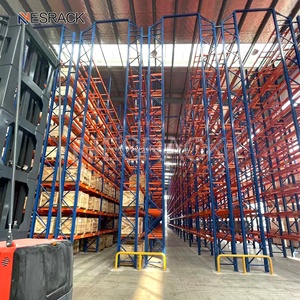
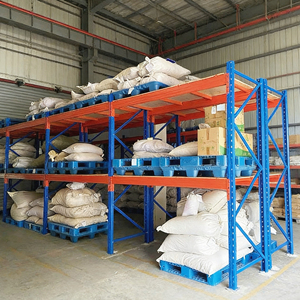
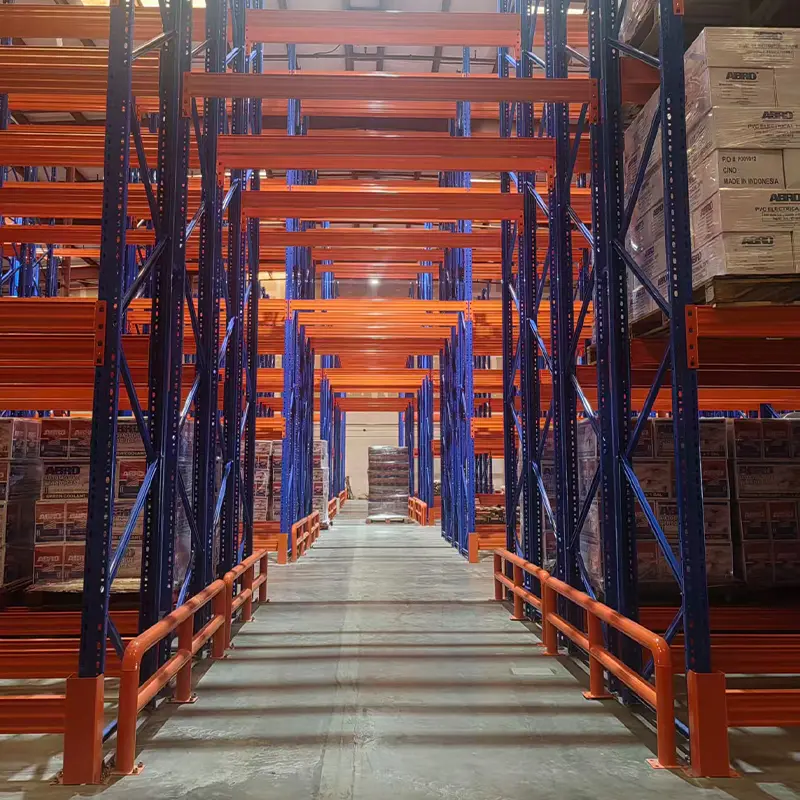
Drive-Through pallet racking systems represent the ultimate structural balance between high-density cube utilization and uninterrupted, high-velocity bulk throughput. Unlike single-entry Drive-In systems that mandate a Last-In, First-Out (LIFO) inventory sequence, Drive-Through configurations provide dual-access portals—allowing forklifts to deposit goods at the rear entry and pick from the opposite front face to achieve continuous First-In, First-Out (FIFO) stock turnover.
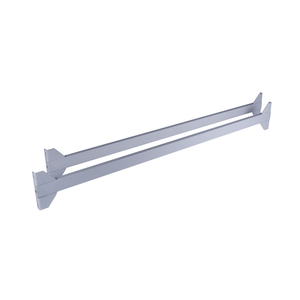
For warehousing engineers and facility managers operating across the Republic of Kenya, building a drive-through structure entails stringent engineering controls. The structural system relies on continuous cantilevered pallet support rails rather than intermediate cross beams. Consequently, lateral frame stability, torsional resistance under dynamic forklift entry, and upright column plumbness are critical to safe operation.
Operating near seismic rifts around the Great Rift Valley (Nakuru, Naivasha) and coastal humidity zones in Mombasa requires exact design adjustments. We utilize certified Q235B and high-yield cold-rolled steel coils, upgraded footplate anchorages, and robust top-tie bracing trusses that anchor the frame securely without inhibiting internal mast clearances.
FIFO High-Density Structural Matrix
Key technical considerations when specifying drive-through rails and upright assemblies for local Kenyan logistics:
- Floor Flatness: DIN 18202 / Superflat tolerance verification to prevent mast deflection within tight drive-in lanes.
- Impact Buffers: Heavy floor-mounted steel guide rails and wrap-around column guards to absorb recurrent forklift collisions.
- Corrosion Resistance: Multi-stage phosphating followed by 80-120μm electrostatic epoxy-polyester coatings to resist salt air at Kilindini Port.
Regional Industrial Integration
Localized Use Cases Across Kenya's Primary Economic Sectors
Tailoring structural racking geometry, lane depth, and load distribution to meet the day-to-day realities of East Africa’s largest logistics economy.
Mombasa Port & SGR Inland Freight Depots
Bonded warehouses surrounding the Port of Mombasa and the Nairobi Inland Container Depot (ICD Embakasi) face massive surges in break-bulk cargo. Drive-through racking maximizes vertical clearances up to 12 meters, allowing rapid forklift access to homogeneous import lines without wasting floor area on conventional 3.5-meter transfer aisles.
Naivasha & Central Agri-Export Cold Rooms
Kenya's floriculture and horticulture sectors in Naivasha, Mt. Kenya, and Eldoret require strict temperature governance and rigid First-Expired, First-Out handling. Our drive-through racks condense expensive refrigerated volumes by up to 75%, cycling perishable flower boxes and fresh export vegetables directly toward outbound refrigerated reefer docks.
FMCG, Edible Oils & Industrial Parks
From Baba Dogo and Industrial Area Nairobi to the Special Economic Zones in Athi River, high-volume fast-moving consumer goods (flour milling, edible oils, beverage bottling) operate with limited SKU variation and massive batch sizes. Drive-through racks decouple receiving and dispatch operations, maintaining orderly, multi-tier pallet lanes.
Strategic Logistics Outlook
Emerging Trends Shaping Kenya’s Material Handling Landscape
How regional infrastructure development and economic modernization are transforming warehouse design requirements.
Migration to Outer Logistics Corridors
Due to severe congestion and land constraints in Nairobi's traditional Industrial Area, operators are shifting to Grade-A logistics parks along the Eastern and Northern Bypasses, Ruiru, and Tilisi. These newly constructed modern facilities feature 10 to 14-meter clear eave heights, favoring tall drive-through arrays that fully leverage clear vertical headrooms.
AfCFTA & Regional Transit Gateway
Kenya functions as the primary logistics gateway for landlocked neighbors Uganda, Rwanda, and South Sudan via the Northern Corridor. Warehouses increasingly handle regional re-export pallet distribution, necessitating high-density configurations that isolate inbound customs-cleared cargo lanes from fast-track outbound dispatch corridors.
Formalization & Rigorous Safety Auditing
Multinational pharmaceutical, retail, and manufacturing enterprises in Kenya now enforce strict compliance with international warehouse safety standards. Improvised angle-iron fabrication is rapidly giving way to certified, cold-formed structural steel systems verified by rigorous seismic and finite-element load calculations.
Enterprise Manufacturing Authority
Why Kenyan Logistics Leaders Rely on Our Engineering
Combining 25+ years of precision production with deep expertise in global sea-freight logistics and local project delivery.
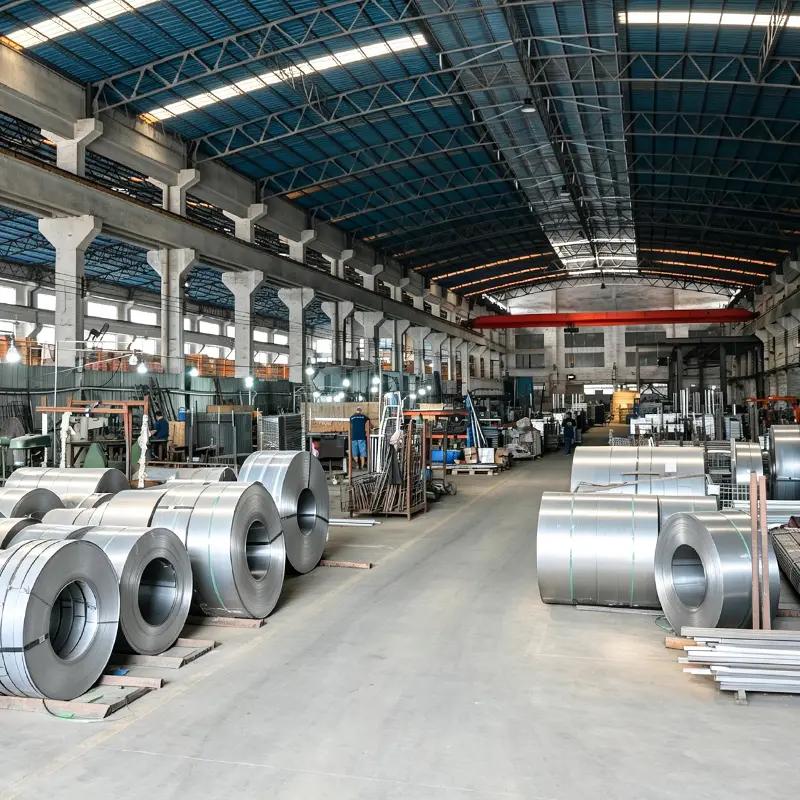
25+ Years Industrial Mastery
Established in 2001, we operate an advanced 30,000 m² production complex staffed by over 300 experienced engineers and skilled technicians dedicated to structural storage integrity.
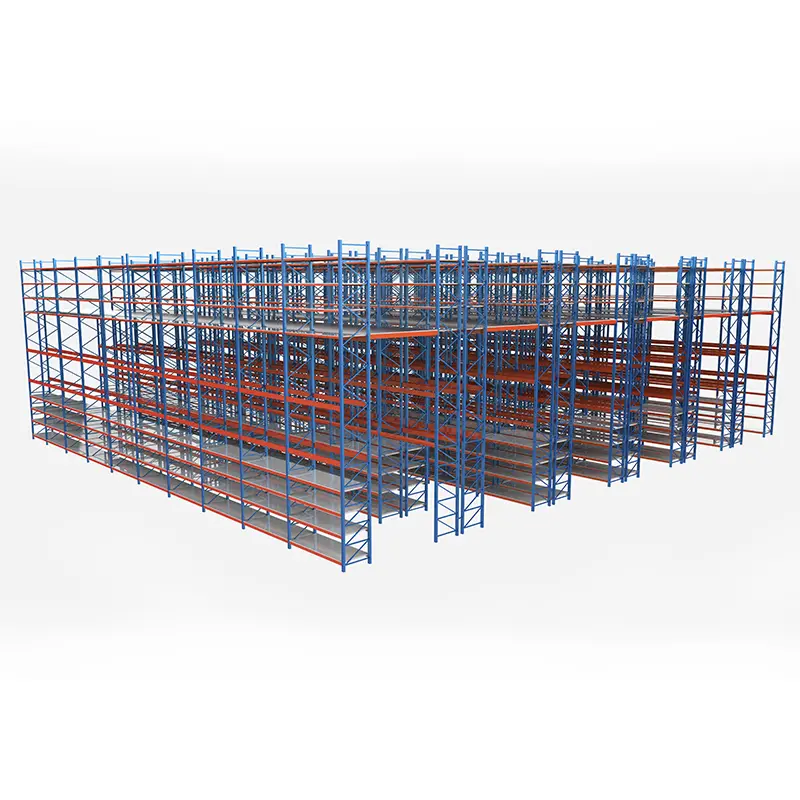
Free 3D Layout & Structural CAD
Our engineering division models your exact warehouse envelope, generating detailed 3D spatial simulations, truck turnaround paths, and load calculations tailored to your specifications.
Certified European Compliance
Full CE certification (No. 2435-CPR-8605159) and ISO 9001:2015 accredited workflows ensure each beam, upright, and support rail fulfills demanding global standards.
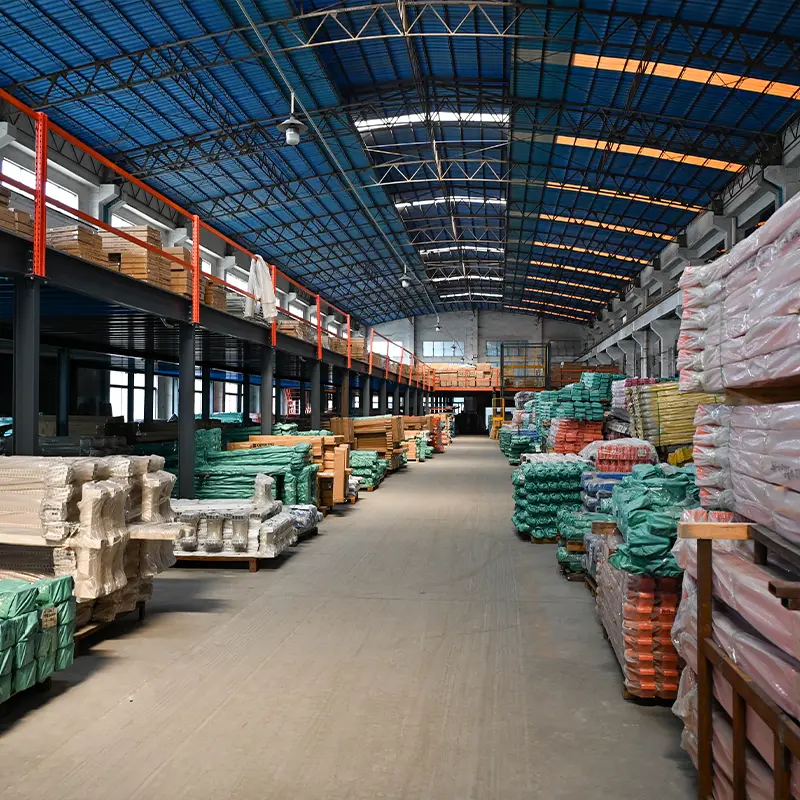
Customised Export Packing
Engineered shipping bundles maximize sea-container loading efficiency into the Port of Mombasa, protecting structural powder-coatings against moisture throughout ocean transit.
Procurement Knowledge Base
Frequently Asked Questions by Kenyan Procurement Managers
Everything you need to know about sea-freight timelines, KEBS PVoC compliance, ground anchorage, and professional installation across Kenya.
What is the structural difference between Drive-In and Drive-Through racking?
While Drive-In racking features a single entrance/exit aisle relying on a Last-In, First-Out (LIFO) inventory sequence, a Drive-Through system provides dedicated forklift entry at one end and an exit at the opposing end. This enables a true First-In, First-Out (FIFO) stock rotation. In fast-paced Kenyan distribution hubs handling perishable food, pharmaceuticals, or dated retail products, Drive-Through systems ensure goods are never trapped behind older pallet batches.
How do you handle KEBS PVoC standards inspection and shipping to Mombasa?
We provide full export documentation compliance required by the Kenya Bureau of Standards (KEBS) Pre-Export Verification of Conformity (PVoC) program. We coordinate third-party inspection agencies (such as SGS, Intertek, or Bureau Veritas) to inspect structural steel integrity, coating thickness, and dimensional accuracy before container sealing, issuing the required Certificate of Conformity (CoC) to streamline customs clearance at Kilindini Port.
Can your racking withstand the seismic requirements along the Rift Valley?
Yes. Facilities operating in active tectonic zones—such as Nakuru, Naivasha, or the central rift corridor—require upgraded baseplates, oversized seismic wedge anchors, and heavy-gauge cross-aisle bracing. Our structural design team uses finite element structural analysis to calculate soil acceleration forces and configure structural components that protect personnel and inventory against lateral harmonic movement.
What concrete floor specifications are required for drive-through uprights?
Drive-through systems direct significant concentrated point loads through baseplates to the concrete slab. We generally require a reinforced concrete slab with a minimum compressive strength of 25–30 MPa (C25/C30 grade) and a slab thickness of not less than 150–200 mm, free of expansion joints within the anchor zones. Floor flatness within the lanes must adhere to DIN 18202 Class 3 or better to avoid mast sway during forklift operation.
How is installation handled on-site in Nairobi, Mombasa, or regional towns?
Every shipment arrives with color-coded assembly blueprints, component numbering, and detailed torque specifications. Clients can utilize their preferred local mechanical contractors with our remote live-video engineering supervision, or we can deploy a bilingual site superintendent to Nairobi to oversee local installation crews, conduct anchor pull-tests, and sign off on final structural alignment.
Direct Factory Engagement
Maximize Your Warehouse Pallet Density in Kenya Today
Send your building dimensions, pallet load profiles, and target throughput. Our design engineers will prepare a complimentary 3D spatial model, comprehensive CAD floor plan, and structural quotation within 24 hours.