High-Density Pallet Racking Systems Available for Korean Exporters
From fast-rotation FMCG warehouses to sub-zero seafood cold storage and automotive parts distribution centers, our factory manufactures precision-formed, certified industrial racking configured for T-11 (1,100 × 1,100 mm) standard Korean logistics operations.
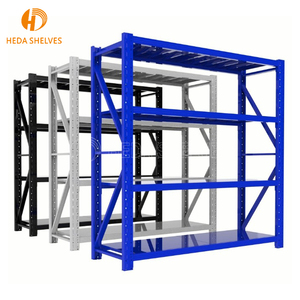
Wholesale Heavy-Duty Industrial Shelves Steel Multi-Layer Thickened Medium-Duty Rack for Warehouse Storage Light-Duty
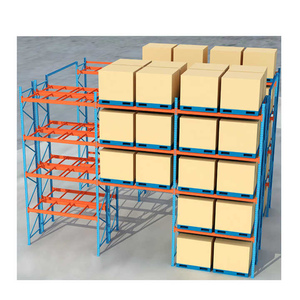
Direct Factory Sale High-Density 5-Layer Metal Drive-In Racking System for Warehouse Storage 2000kg Load Capacity
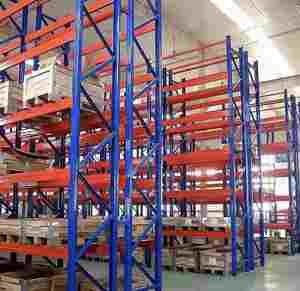
CE-Compliant Warehouse Storage Racks Heavy-Duty EU Standard Steel Pallet Racking for Cargo Yards
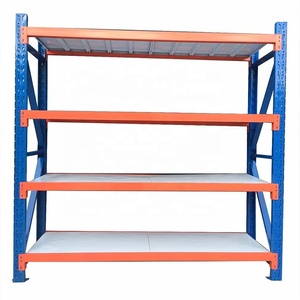
Adjustable Flexible Steel Selective Pallet Rack Multi-Level Corrosion Protection Long Span Bolted Racking Warehouse Racks
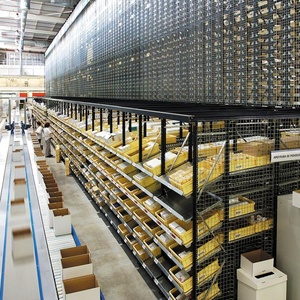
High Efficiency Durable Heavy Duty Adjustable 5-Layer Carton Gravity Flow Rack CE Certified Smooth For Distribution Centers
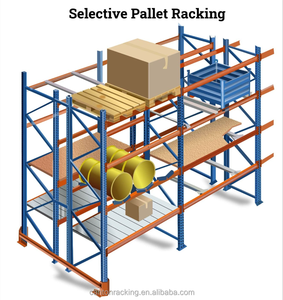
Double Deep Pallet Racking System Are Essential for Optimizing Warehouse Space and Providing Easy Access to Each Pallet
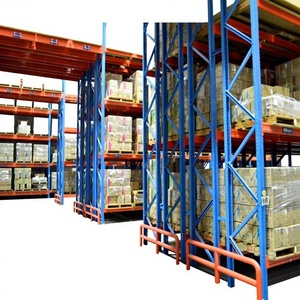
Very Narrow Aisle Pallet Racking VNA Rack Heavy Duty Warehouse Storage Racking System Customized
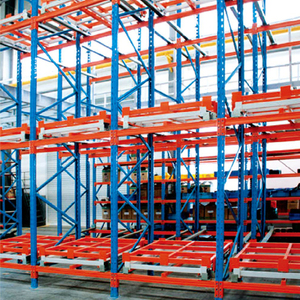
Custom 5 Layer Steel Push Back Racking System Heavy Duty Powder Coated Industrial Pallet Racks for Factory Storage
(Established 2001)
Steel Output Capacity
to Busan & Incheon Ports
Successfully Equipped
South Korea Logistics Landscape: Overcoming Real Estate Costs & Seismic Challenges
A technical guide for industrial supply chain executives, warehouse developers, and procurement managers operating in the Seoul Capital Area (SCA), Yeongnam industrial region, and Busan logistics corridors.
The industrial warehousing sector in South Korea has evolved into one of the most technologically demanding markets in East Asia. Driven by the meteoric rise of ultra-fast e-commerce (such as Coupang's "Rocket Delivery", Market Kurly's dawn cold chains, and Naver Fulfillment Alliance), commercial warehouse rent in primary hubs like Icheon, Yongin, and Anseong has surged significantly over the past five years. Consequently, Korean logistics operations can no longer afford spatial inefficiency or standard floor-stacking techniques.
The Seoul Capital Area High-Density Imperative
In key logistics clusters surrounding Gyeonggi-do, land acquisition costs necessitate maximizing cubic volumetric utilization. Modern logistics facilities now feature clear ceiling heights exceeding 11 to 14 meters. Standard selective racking systems with wide 3.5-meter aisles waste more than 60% of available floor area. As a dedicated pallet rack manufacturer, Guangzhou Heda Shelves Co., Ltd. works directly with Korean engineering contractors to convert traditional layouts into Very Narrow Aisle (VNA) and Radio Shuttle Racking arrays, shrinking operational aisles down to 1.6 meters and boosting pallet capacity by up to 85% within identical physical building envelopes.
Furthermore, high-throughput fulfillment centers operate 24/7/365 under intense picking cycles. Beam connectors, column base plates, and guide rails must withstand cyclic stress, heavy reach-truck impacts, and continuous mechanical movement without fatigue failure or beam deflection exceeding strict engineering thresholds (L/200 to L/300 deflection limits).
Standardization Matrix: Korean T-11 Pallet Compliance
Unlike Western markets dominated by EUR-pallets (1,200 × 800 mm) or US GMA-pallets (48 × 40 in), South Korea operates primarily on the KS A 2164 National Standard. The T-11 flat pallet (1,100 × 1,100 mm) accounts for more than 70% of all domestic freight movements, while export facilities utilize the T-12 standard (1,200 × 1,000 mm).
Our heavy-duty steel pallet racks are custom-engineered with precision clear-span beam lengths (specifically 2,300 mm and 2,500 mm for 2-pallet bays, and 3,400 mm for 3-pallet bays) to provide mandatory clearance margins (75 mm between uprights and pallets; 100 mm between adjacent pallets). This eliminates overhang hazards, protects sprinkler cone coverage, and integrates seamlessly with Korean Automated Guided Vehicles (AGVs) and autonomous reach forklifts.
KOSHA Compliance & Seismic Design Resilience
Following the Gyeongju and Pohang seismic events, South Korea's Ministry of Land, Infrastructure and Transport (MOLIT) and the Korea Occupational Safety and Health Agency (KOSHA) reinforced strict structural mandates across industrial warehousing. Racking structures are classified as permanent storage structures requiring verified seismic calculation sheets.
We engineer every Korean shipment with certified finite element analysis (FEA). Upright column profiles use certified Q235B and Q355B cold-rolled carbon steel with high yield strengths. Seismic baseplates are expanded to 12 mm to 16 mm thicknesses, reinforced by heavy-duty chemical wedge anchor bolts (M12/M16) rated for concrete tensile pullout in zone-1 seismic categories ($S_{DS}$ and $S_{D1}$ structural factors), guaranteeing operator safety during harmonic ground acceleration.
The Incheon & Busan Cold Chain Explosion
Cold chain capacity around the Incheon Free Economic Zone (IFEZ) and Busan Newport has expanded exponentially to manage seafood imports, bio-pharmaceutical storage, and premium frozen meat distribution. Operating in -25°C to -30°C environments introduces catastrophic steel embrittlement risks if standard commercial grade steel or low-grade powder coatings are utilized.
Heda Shelves addresses sub-zero logistics through low-temperature impact-tested steel and advanced surface protection. For sub-zero installations, we supply hot-dip galvanized (HDG) racking components or multi-stage electrostatic thermoset polyester powder coating tested down to -35°C without peeling, micro-cracking, or zinc delamination caused by freeze-thaw condensation cycles.
Comparative Engineering Matrix for Korean Warehouse Racking
Selecting the optimal pallet storage configuration depends on SKU volatility, batch sizing, floor load capacity, and capital expenditure targets. Compare key performance metrics below.
| System Architecture | Korean Pallet Fit | Floor Space Utilization | Selectivity Profile | Inventory Rotation | Korean Seismic Readiness | Target Local Application |
|---|---|---|---|---|---|---|
| Selective Pallet Racking | T-11 (1100mm) / T-12 | 40% – 50% | 100% Direct Immediate Access | FIFO (First In, First Out) | Standard Dual-X Bracing | General 3PL, Multi-SKU E-Commerce |
| Double-Deep Pallet Rack | T-11 / T-12 Fitted | 60% – 65% | 50% Direct Access (Reach Pantograph) | FILO / LIFO | Reinforced Upright Depth | Cold Storage, Food Manufacturing |
| Very Narrow Aisle (VNA) | T-11 Dedicated 2300mm Bay | 75% – 85% | 100% Direct Immediate Access | FIFO | Top Tie-Beams & Rail Guided | High-Bay Distribution, Gyeonggi Land Squeeze |
| Drive-In Racking System | T-11 / Heavy Corrugated | 75% – 80% | Low (Lane-by-Lane Batching) | Strict LIFO (FIFO with Drive-Thru) | Portal Arm & Top Tie Systems | Sub-Zero Freezers, Seasonal Agri-Produce |
| Carton & Pallet Gravity Flow | T-11 / Plastic Skid Beds | 65% – 75% | High for Face Pick Lanes | Automatic Gravity FIFO | Brake Roller & Impact Separators | Pharmaceutical GMP Hubs, Beverage Bottling |
| Push-Back Cart Racking | T-11 (Up to 1,500kg/Pallet) | 70% – 75% | Medium (1 SKU per lane) | LIFO via Nested Rolling Carts | Anti-Tip Retaining Lip Built-in | Automotive Tier-1 Fast Staging, Pyeongtaek |
Precision Storage Solutions Across South Korea's Industrial Core
Our engineered systems are tailored to the distinct mechanical, thermal, and regulatory environments of South Korea's leading economic clusters.
E-Commerce Mega-Fulfillment (Gyeonggi Corridor)
Serving automated high-velocity distribution centers in Incheon, Yongin, and Pyeongtaek handling hundreds of thousands of daily SKU dispatches. Integration with mezzanine picking decks and conveyor drops.
- 16-meter tall VNA configurations for ultra-high bays
- Integrated mesh decking for sprinkler compliance
- AGV-ready magnetic track clearance engineering
Automotive Tier-1 & Tier-2 (Ulsan & Gwangju)
Engineered for heavy stamping dies, engines, chassis components, and sub-assemblies feeding Hyundai, Kia, and GM production facilities. Focus on extreme load safety factors and forklift impact resistance.
- 3,000–4,500 kg heavy-duty box beam capacities
- Heavy structural steel upright frame column protectors
- Custom cantilever racking for long automotive steel bars
Semiconductor & Electronics Hubs (Suwon & Yongin)
Ancillary parts and cleanroom consumable staging for the world's most advanced chip foundry belts. Clean, non-flaking electrostatic powder coatings with zero VOC outgassing.
- RoHS compliant powder coating finishes
- Galvanized wire decking avoiding dust accumulation
- Anti-static grounding connectors for sensitive items
Sub-Zero Cold Chain & Seafood (Busan & Tongyeong)
Deep-freeze facilities operating between -18°C and -30°C handling global seafood transshipment, frozen ready-meals, and fresh agricultural produce entering through Busan Port.
- Low-temperature brittle-fracture resistant steel alloy
- Drive-In & Radio Shuttle max volume architectures
- Hot-dip galvanization options for extreme humidity
Petrochemical & Drum Logistics (Yeosu & Ulsan)
Bulk liquid storage, polymer resins, chemical drums, and hazardous material container staging adjacent to major refinery and chemical industrial complexes.
- Heavy structural barrel cradles and spill pallet retainers
- Acid/alkali-resistant chemical barrier coatings
- High-grade chemical anchor studs into concrete slabs
Pharmaceutical & Bio-Cluster (Songdo & Osong)
Strict GMP compliant warehouses for global contract biomanufacturing leaders (Samsung Biologics, Celltrion). Batch isolation, zero cross-contamination, and strict FIFO expiration traceability.
- Gravity flow roller beds for strict date-code control
- Completely enclosed beam profiles preventing dust pockets
- Full traceability metallurgical mill certificates provided
Why South Korean Importers Partner Directly with HEDA Shelves
Combining 25 years of specialized racking manufacturing with factory-direct supply chains, transparent engineering certifications, and rapid ocean delivery directly to Korean ports.
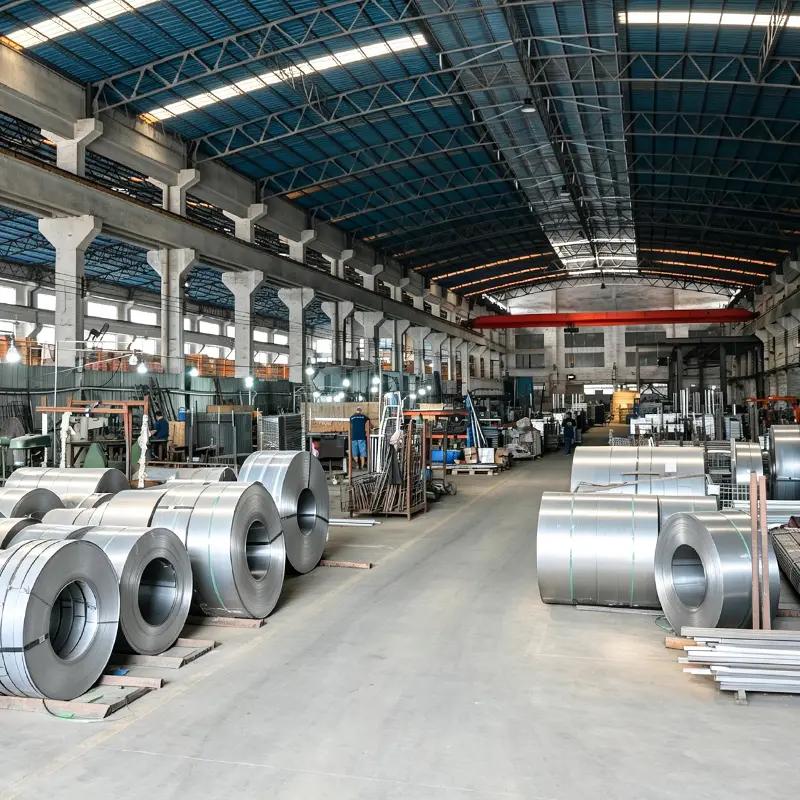
25+ Years Racking Heritage
Founded in 2001, we operate an advanced 30,000 m² factory equipped with precision automated roll-forming lines, supplying 300+ enterprise clients across 120+ nations with uncompromised steel reliability.
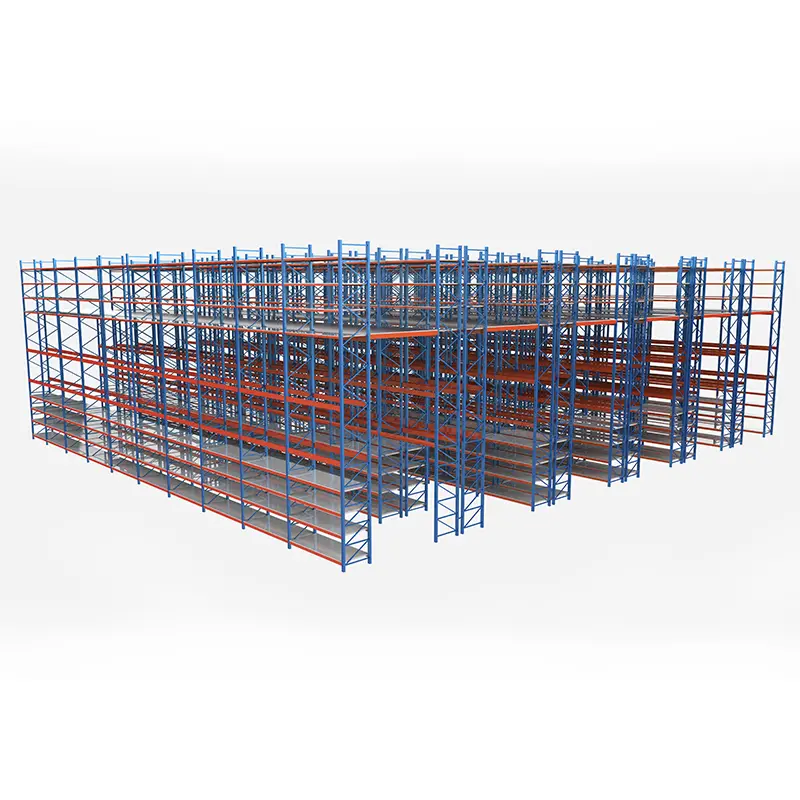
Free 3D Layout & CAD Engineering
Send your architectural DWG drawings. Our licensed structural racking engineers return complete 3D warehouse renderings, aisle clearance calculations, and pallet capacity reports within 24–48 hours at zero cost.
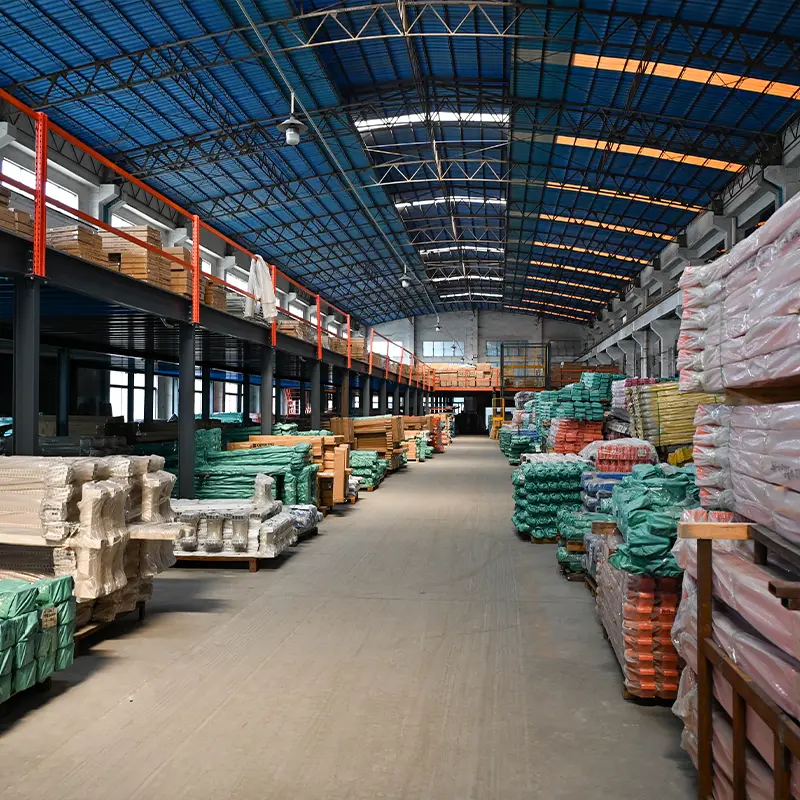
CE & ISO 9001:2015 Certified
Every beam, upright column, and row spacer conforms to EN 15512 and ISO standards. We execute in-house mechanical testing on weld penetration, steel tensile yield, and salt-spray corrosion performance.
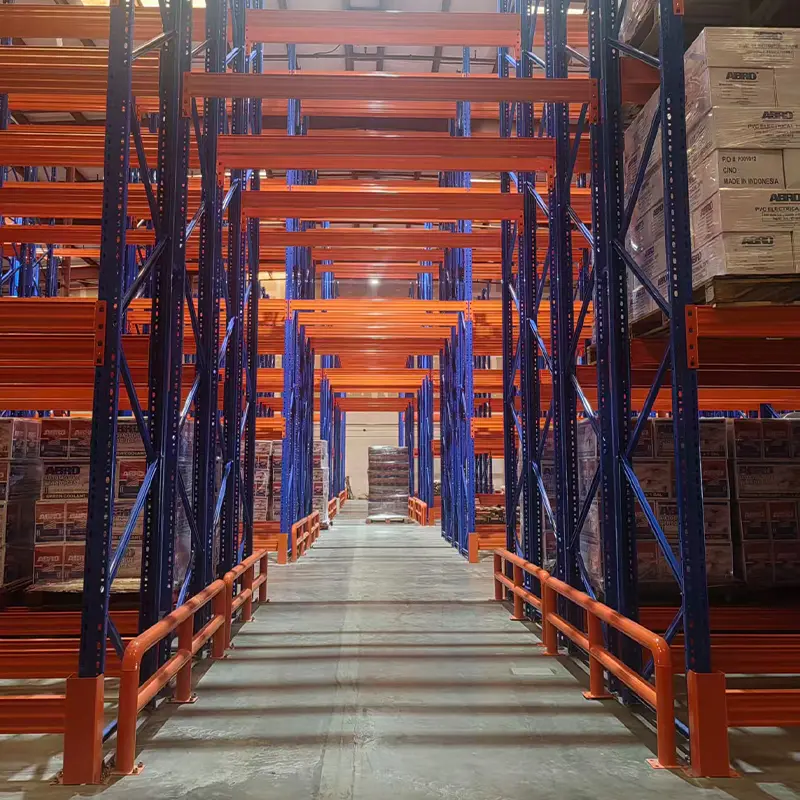
Fast Port-to-Port Korea Shipping
Strategically shipping from Guangzhou/Shenzhen container terminals directly to Busan Newport and Incheon. Ocean transit takes only 4 to 7 days, backed by RCEP duty benefits and simplified customs documentation.
10-Step Controlled Production Cycle Behind Every Korean Project
Complete in-house metallurgical fabrication ensures dimensional accuracy, uniform powder coating adhesion, and superior structural rigidity from raw steel coil to container dispatch.
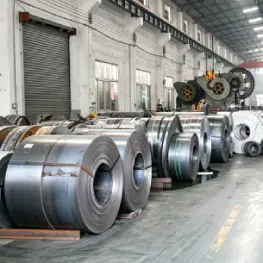
Raw Steel Testing
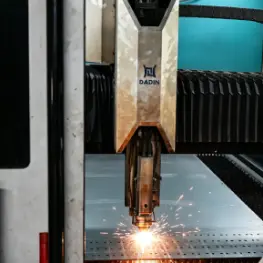
Precision CNC Cutting
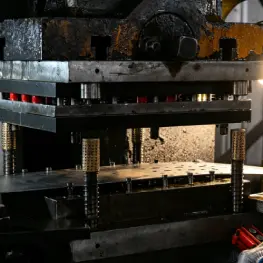
CNC Column Punching
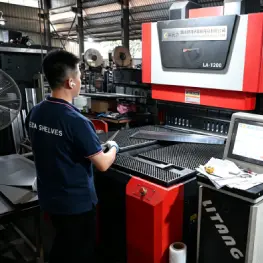
Cold Bending Forming
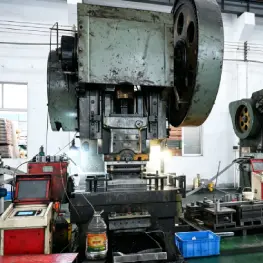
Profile Roll Forming
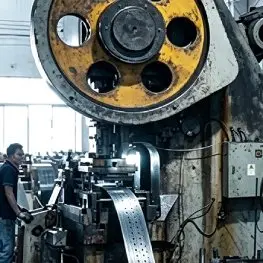
Surface Polishing
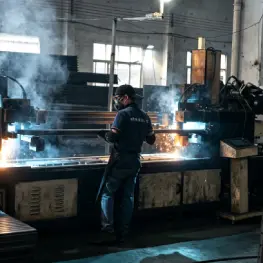
Robotic MIG Welding
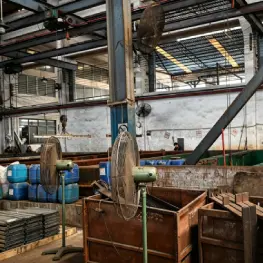
Pickling & Phosphating
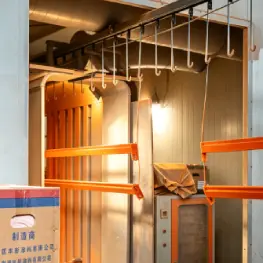
Thermoset Powder Coat
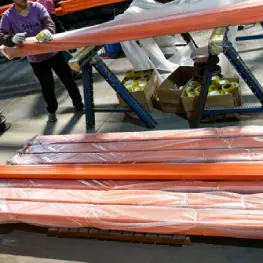
QC Load & Export Pack
Frequently Asked Questions by Korean Warehouse Operators
Authoritative answers covering structural engineering codes, customs duty under RCEP, lead times, installation logistics, and pallet clearances for projects across South Korea.
FAQ 01 How are your pallet racks customized for South Korea's standard T-11 pallets?
Our engineering team designs standard 2-pallet beam levels at 2,300 mm clear spans and 3-pallet levels at 3,400 mm clear spans specifically configured for 1,100 × 1,100 mm (T-11) KS standard pallets. This guarantees the mandatory 75 mm clearance between pallets and upright frames, plus 100 mm between adjacent pallets, ensuring smooth forklift loading without overhang collisions or fire sprinkler obstruction.
FAQ 02 Do your racking systems meet Korean KOSHA seismic and structural guidelines?
Yes. We calculate the structural stability of every Korean installation in accordance with KBC (Korean Building Code) and KOSHA guidelines. Our calculations take into account local seismic design acceleration parameters ($S_{DS}$ and $S_{D1}$) for zones like Gyeongsang and Gyeonggi. We provide certified beam load deflection tables and enlarge baseplate dimensions (12–16mm thickness) with verified M12/M16 chemical concrete anchors.
FAQ 03 What is the ocean shipping transit time and port handling to Busan and Incheon?
Due to Guangzhou and Shenzhen's proximity to South Korea, full container loads (20GP, 40HQ) typically reach Busan Newport within 4 to 5 days, and Incheon Port or Pyeongtaek Port within 6 to 7 days. We provide complete RCEP (Regional Comprehensive Economic Partnership) Certificates of Origin, enabling preferential or zero-tariff import clearance for registered Korean business entities.
FAQ 04 How do your racks resist corrosion in cold rooms and humid coastal warehouses?
Before powder coating, all steel components undergo a multi-tank pre-treatment process: hot alkaline degreasing, acid rust pickling, phosphating, and deionized water rinsing. The electrostatically applied polyester powder coating is cured at 200°C to achieve a tough 70–90 μm shell. For frozen seafood warehouses (-30°C) or coastal Busan facilities, we offer hot-dip galvanized finishes certified to prevent rust and delamination.
FAQ 05 What is your typical production lead time for a 5,000-pallet facility?
With an automated factory manufacturing capacity of 30,000 metric tons per month, standard selective or drive-in projects of 3,000 to 10,000 pallet positions are fabricated, powder-coated, inspected, and containerized within 14 to 21 working days following technical drawing approval, ensuring rapid turnaround for tight warehouse commissioning schedules.
FAQ 06 How is warehouse installation handled on-site within South Korea?
Every structural upright, beam, cross-tie, and anchor stud is clearly numbered according to your approved CAD floor plan. We supply comprehensive English/Korean 3D assembly guides and structural erection drawings. Korean clients can utilize local contractor crews with our engineers providing real-time remote video support, or request an on-site installation supervisor directly from our engineering team.
Request Your Custom Warehouse Layout & Seismic Load Calculation
Planning a new logistics hub in Gyeonggi-do, expanding cold storage in Busan, or upgrading automotive racking in Ulsan? Connect directly with our senior structural engineers to receive a free 3D CAD layout, load capacity analysis, and direct factory pricing within 24 hours.
- Free 3D DWG & BIM Layout
- KS T-11 & T-12 Pallet Optimization
- Direct Ocean Shipping to Busan & Incheon