Recommended High-Performance Storage Systems for Japan Logistics
Explore heavy-duty storage, radio shuttle automation, high-density picking systems, and modular structural platforms built to withstand Japan's demanding warehouse seismic and footprint constraints.
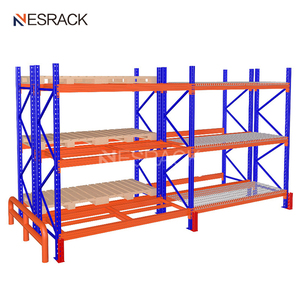
Adjustable Boltless Durable 4-Layers Steel Heavy Duty Pallet Rack 500-3000kg Warehouse Storage Rack
- Capacity: 500kg - 3,000kg / Level
- Pitch Adjustment: 50mm / 75mm
- Standard: Q235B / Q355B Cold-Rolled Steel
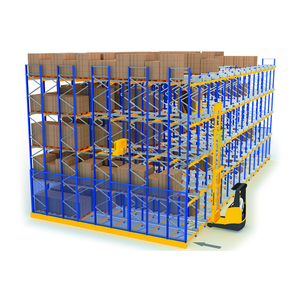
Durable Shuttle Heavy Duty Rack System Asrs 4-Way Shuttle Racking Automated Radio Shuttle Racking System for FIFO & LIFO
- Mode: Semi-automated FIFO & LIFO
- Cold Storage: Suitable down to -25°C
- Japanese Pallet Compatibility: 1100×1100mm
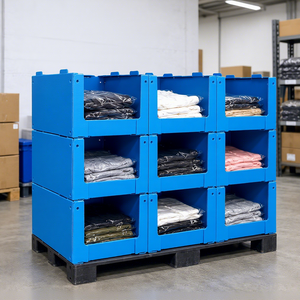
800x600mm Corflute Industrial Grade Stackable Picking Bin Warehouse Shelf Storage Box For Bulk Items
- Dimensions: 800×600mm Modular
- Material: Lightweight PP Virgin Polymer
- Applications: E-commerce & Kanto 3PL picking
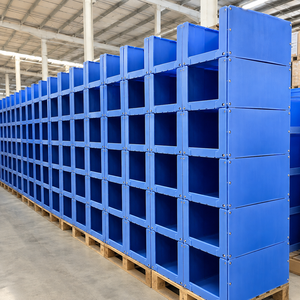
PP Corrugated Plastic Stackable Picking Bins Front Opening Warehouse Shelf Storage For Industrial Parts
- Type: Front-Drop Picking Bin
- Durability: Oil, Acid & Chemical Proof
- Usage: Automotive & Electronic Hardware
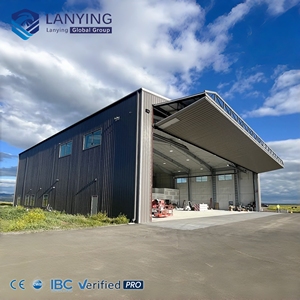
Fireproof Prefab Metal Frame Building Heavy-Duty Industrial Storage Workshop Garage Shed Steel Structure Warehouse Hangar
- Fire Resistance: Class-A Certified Fireproofing
- Seismic Grade: High-ductility steel framing
- Erection: Rapid bolt-together modular design
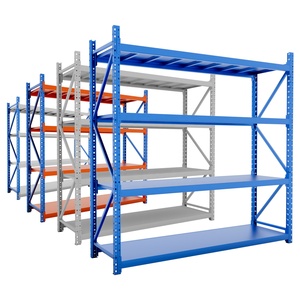
Factory Direct 4-Layer 800kg Medium Heavy Duty Pallet Racking System Steel Adjustable Longspan Warehouse Storage Pallet Racks
- Load Rating: 800kg - 1,500kg / Level
- Decking: Wire Mesh or Galvanized Steel Plates
- Finish: AkzoNobel Anti-Corrosion Coating
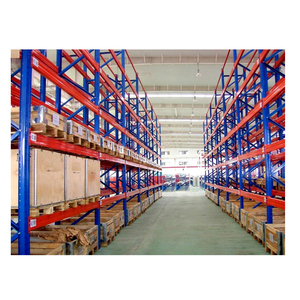
HEDA Guangzhou Steel Pallet Racking System Warehouse Rack Storage Shelves Heavy Duty
- Engineering: Custom bay widths for T11 Pallets
- Uprights: Omega profile 80-120mm wide
- Safety: Heavy seismic baseplate & anchors
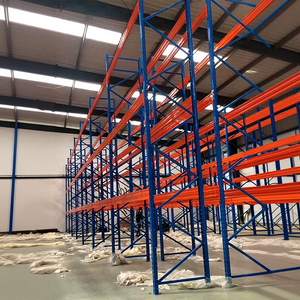
Heavy Duty Metal Racking 4 Tier Boltless Adjustable Warehouse Racking Steel Warehouse Storage Garage Storage Racking
- Type: Quick-assembly interlocking structure
- Labor Reduction: Zero on-site welding required
- Application: Fulfillment mezzanine floors
Selective Pallet Racking in the Japanese Logistics Ecosystem
A structural, dimensional, and regulatory analysis for Japanese general contractors (Zenecon), 3PL operators, cold chain distribution hubs, and industrial procurement managers.
In modern industrial logistics throughout Japan, Selective Pallet Racking (known locally as パレットラック or 選択式パレットラック) continues to represent over 70% of all warehouse storage installations. Despite rapid developments in automated storage and retrieval systems (ASRS), selective racking remains the undisputed backbone of Japanese distribution centers because of one non-negotiable operational attribute: 100% direct, immediate selectivity for every single pallet location without moving adjacent inventory.
However, importing and deploying industrial racking in Japan is fundamentally different from Western or Southeast Asian markets. Japan's severe seismic risk profiles, unique pallet standardizations, extreme land costs across prime industrial zones (such as Tokyo Bay, Keihin, and Hanshin), and stringent structural codes under the Japanese Building Standards Act (建築基準法) require specialized engineering, tight manufacturing tolerances, and exact steel metallurgy.
1. Dimensional Geometry: The JIS T11 (1,100 × 1,100 mm) Standard Pallet
While European logistics relies on the Euro-pallet (1,200 × 800 mm) and North America utilizes the GMA pallet (48 × 40 inches / 1,219 × 1,016 mm), Japan's logistics architecture is deeply rooted in the JIS Z 0601 T11-type pallet (1,100 mm width × 1,100 mm length). Standardizing racking around T11 pallets dictates every critical dimension of the selective pallet racking superstructure:
- Clear Beam Lengths: Standard two-pallet bays require a clear span of 2,300 mm to 2,500 mm (accounting for 1,100 mm per pallet plus 75–100 mm clearance between pallets and adjacent upright columns). Three-pallet bays require 3,300 mm to 3,500 mm. Sizing beams improperly results in forklift driver handling friction or hazardous overhang.
- Frame Depth: To support a 1,100 mm deep pallet with standard Japanese overhang safety practices (50 mm front and 50 mm rear overhang), upright frame depths are engineered strictly to 1,000 mm. For specialized operations with plastic pallets or slip-sheets, frame depths of 1,050 mm or 1,100 mm integrated with heavy-duty pallet support cross-beams (パレットサポートバー) are mandatory.
- Vertical Pitch Adjustability: Beam connection tabs must feature high-tensile 50 mm or 75 mm pitch adjustment slots, enabling Japanese warehouse managers to reconfigure clear bay heights as seasonal SKU profiles shift without compromising structural rigidity.
2. Seismic Engineering: Resilience Under JIS B 8928 & AIJ Guidelines
Japan is situated along the Pacific Ring of Fire and experiences frequent moderate-to-severe seismic events. A racking collapse in Japan is catastrophic, leading not only to inventory losses but to severe operational shutdown and corporate liability under the Industrial Safety and Health Act (労働安全衛生法). Our racking engineering for Japanese projects is governed by seismic principles harmonized with JIS B 8928 (Pallet Racks - Design and Testing), the Japan Storage Equipment Association (JASTA) guidelines, and the Architectural Institute of Japan (AIJ) standards.
| Engineering Dimension | Standard International Racking | HEDA Shelves Japan-Specification Selective Racking |
|---|---|---|
| Horizontal Seismic Coefficient (Kh) | 0.10 - 0.15 g (Low/Moderate) | 0.20 - 0.40+ g (Calculated for Kanto, Tokai, and Kansai seismic fault zones) |
| Base Plate Construction | 4.0 - 6.0 mm stamped sheet | 10.0 - 16.0 mm structural heavy-plate steel with multi-hole anchor patterns |
| Floor Anchoring System | M10 / M12 standard mechanical sleeve | M16 / M20 high-tensile chemical or torque-controlled wedge anchors with embedment depth ≥ 120 mm |
| Top & Overhead Bracing | Rarely deployed below 8m height | Rigid Portal Ties & Top-Tie Bracing (つなぎ梁) connecting double-row back-to-back bays across aisle headers |
| Anti-Dislodgement Mechanism | Standard plastic or wire safety pins | Heavy-duty steel auto-lock pins with 3,000kg+ shear resistance preventing beam pop-out during vertical seismic acceleration (Kv) |
| Pallet Drop Prevention | Optional wire decking | Drop Stopper Bars (落下防止バー), rear wire safety netting (落下防止ネット), and beam backstops (パレットストッパー) |
3. Structural Steel Metallurgy: Q235B & Q355B vs. JIS SS400 & SM490
Steel toughness and ductility under seismic shock loads are essential to prevent sudden brittle fracture. Guangzhou Heda Shelves utilizes certified structural hot-rolled and cold-rolled steel coils from top-tier mills (such as Baosteel). For our Japan-bound exports, material certificates (Mill Test Certificates conforming to EN 10204 3.1) verify that our steel grades Q235B and Q355B strictly correspond to or exceed the physical properties of Japanese JIS G 3101 SS400 and JIS G 3106 SM490 respectively.
Upright columns are formed using a specialized cold roll-forming process that produces an Omega-shaped cross section with up to 12 structural bends. Each bend increases cold-worked yield strength and moment of inertia, significantly improving axial compression capacity without increasing overall dead weight. When designing for sub-zero temperature facilities (such as frozen seafood storage in Hokkaido or Kobe port), low-temperature impact testing (Charpy V-Notch at -20°C and -40°C) is conducted to ensure zero cold-embrittlement failure.
Key Market Drivers & Modern Logistics Trends Across Japan
How the structural shifts in Japan's domestic supply chain, labor demographics, and real estate are redefining warehouse racking requirements.
The "2024 Logistics Problem" & Regional Hub Consolidation
With statutory caps on truck driver overtime enacted under Japanese labor reform laws (働き方改革関連法), long-haul direct trucking across Japan has become economically restrictive. Supply chain networks are decentralizing into strategic regional relay hubs outside congested urban centers—particularly along the Ken-O Expressway in the Greater Tokyo Area, the Shin-Tomei corridor in Shizuoka/Aichi, and the Meishin belt in Kansai. These new inland transfer hubs demand highly modular, scalable selective pallet racking to buffer incoming freight and facilitate cross-docking operations without driver delays.
Multi-Tenant High-Bay Warehousing (GLP, Prologis, Mitsui)
High industrial land costs in Tokyo Bay (Shinagawa, Ota, Koto), Yokohama, and Osaka have driven explosive growth in large-scale ramp-up multi-tenant logistics facilities. These facilities feature clear ceiling heights ranging from 5.5m up to 10m–12m with floor load capacities of 1.5 to 2.5 tons/m². Japanese operators require vertical selective racking configurations that squeeze maximum volumetric cube efficiency out of high-ceiling bays while operating within strict floor slab point-load tolerances through widened, structural load-spreading baseplates.
Hybrid Automation Integration (AGFs & AMRs)
Faced with persistent blue-collar labor shortages, Japanese warehouse operators are rapidly pairing conventional selective racking with Autonomous Guided Forklifts (AGFs), Autonomous Mobile Robots (AMRs), and voice-directed picking systems. This shift requires extreme manufacturing precision: beam level deflection ratios must remain strictly within 1/200 to 1/250 under full load, column verticality must be guaranteed during installation, and bottom bays require designated sensor-friendly guide rails and visual target zones for autonomous navigation systems.
Where Our Selective Pallet Racking Performs Across Japan
Engineered storage solutions mapped directly to Japan's primary regional industrial clusters, climate profiles, and supply chain verticals.
Greater Tokyo E-Commerce & 3PL Centers
Installed across mega-distribution hubs in Kanagawa, Saitama, and Chiba. Optimized for high-throughput parcel sorting, consumer retail fulfillment, and multi-tier picking. Fitted with wire mesh decks, step beams, and integrated carton-flow track shelves on bottom levels to allow seamless simultaneous pallet buffering and piece picking.
Chubu Automotive Parts & JIT Staging
Serving Toyota, Denso, and Tier-1/Tier-2 automotive supplier belts in Aichi and Shizuoka. High-load selective racking designed with custom steel skid channels, heavy coil cradles, and fork clearance bars. Engineered to support dense, non-standard metal stillages and plastic folding containers (Ori-con) under strict Just-In-Time schedules.
Refrigerated & Cold Storage Logistics
Deployed in cold logistics centers near major ports (Yokohama, Kobe, Hakata) handling seafood, meat, and dairy products. Featuring specialized sub-zero structural steel coatings that prevent condensation rust and peeling down to -25°C, coupled with space-optimized beam heights for cold storage evapo-blower clearance.
Kyushu Semiconductor & Tech Chemical
Customized for the booming "Silicon Island" semiconductor industrial corridor in Kumamoto and Fukuoka. Equipped with anti-vibration damping baseplate assemblies, chemical-resistant powder finishes, and seismic drop-retention chains to secure high-value electronic components and hazardous chemicals.
Why Japanese Procurement Teams Choose HEDA Shelves
Combining 25 years of tier-one manufacturing with full export compliance, precision structural engineering, and responsive technical support.
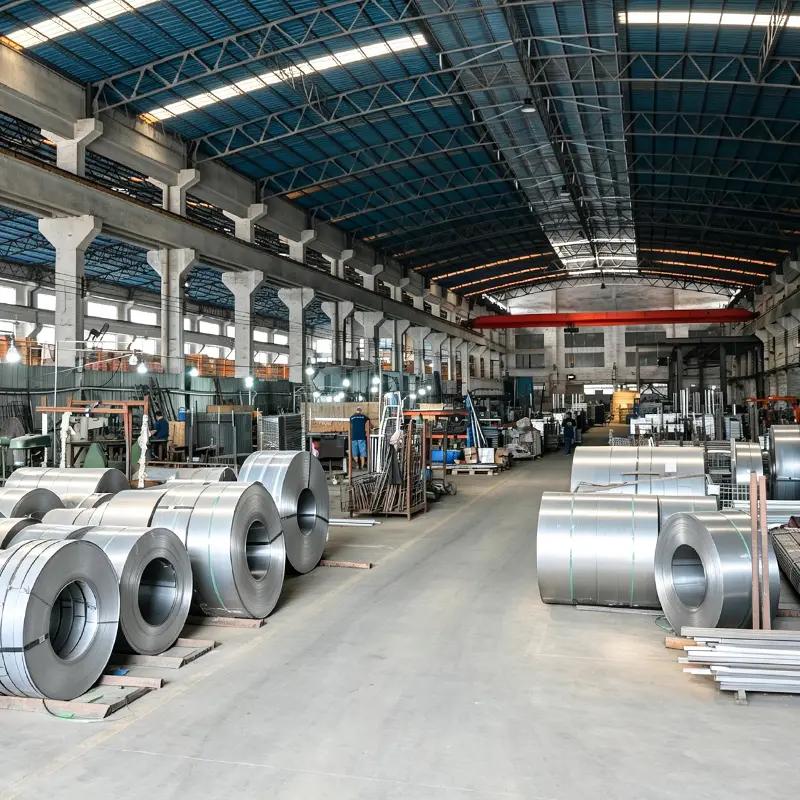
25+ Years Industrial Heritage
Founded in 2001, Guangzhou Heda Shelves Co., Ltd. operates a 30,000 m² state-of-the-art manufacturing campus with over 300 experienced engineers, technicians, and logistics specialists delivering projects to 120+ nations.
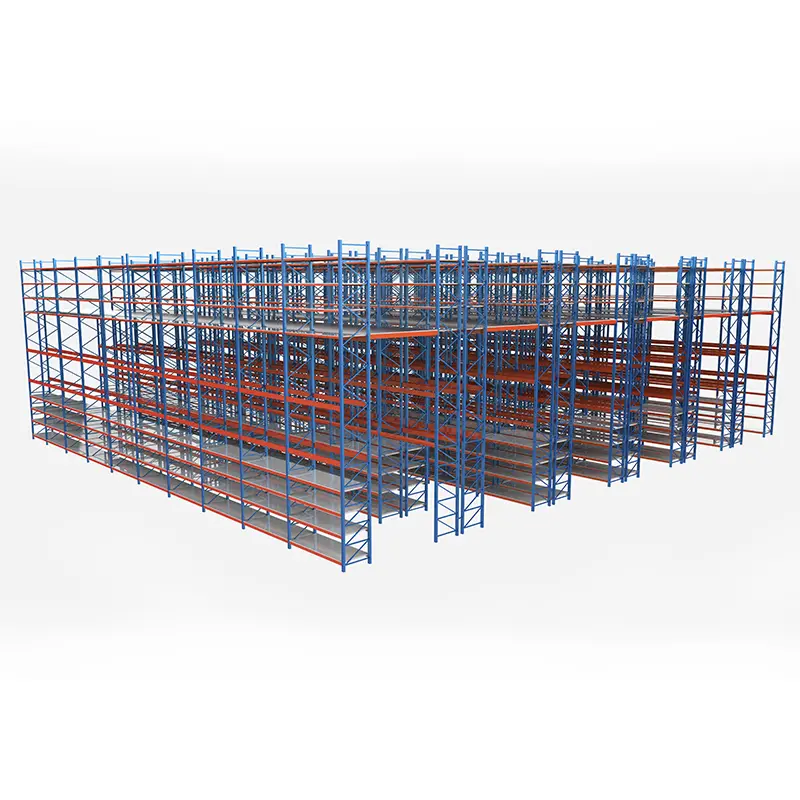
Free 3D CAD & Seismic Layout
Our in-house engineering group prepares comprehensive 3D warehouse renderings, AutoCAD drawings, beam deflection calculations, and baseplate seismic analyses tailored to your specific site within 24 to 48 hours.
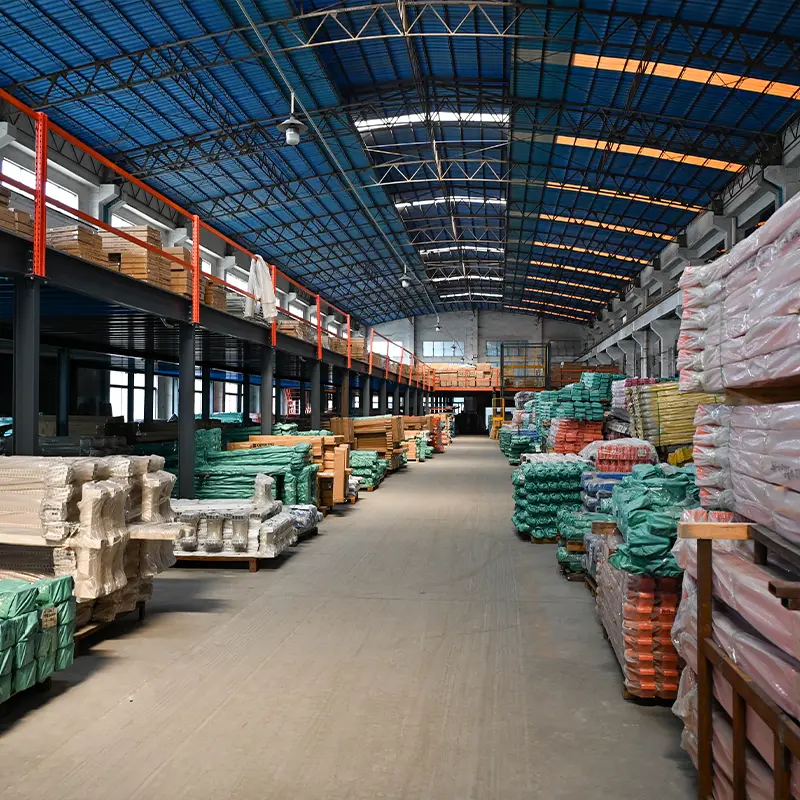
CE & ISO 9001:2015 Certified QA
All production follows stringent quality management protocols (Certificate No. 18624Q00169R0M). Each production batch undergoes steel tensile testing, weld penetration checks, and automated coating adhesion testing.
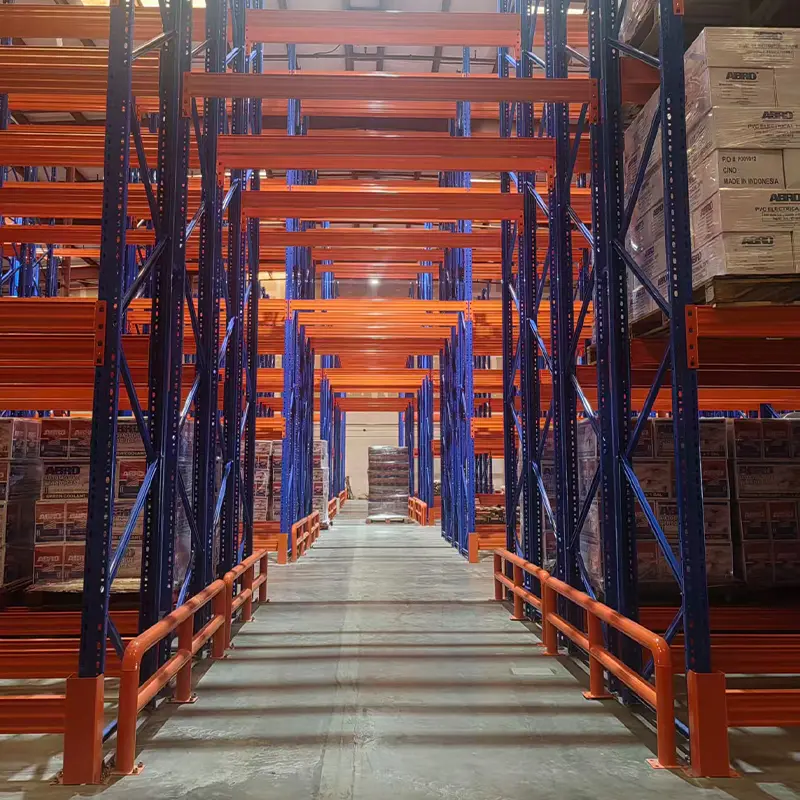
Direct Factory Cost Advantage
Eliminate multiple layers of trading intermediaries. Buy direct from the manufacturing line with customized beam profiles, bespoke column punching pitches, and custom powder colors matching corporate guidelines.
Direct Ocean Logistics to Primary Japanese Ports
Tokyo & Yokohama Ports
Direct weekly sailings from Nansha/Yantian. Average ocean transit: 4–6 days. Ideal for Kanto and Tohoku distribution centers.
Osaka & Kobe Ports
Fast feeder and liner connections. Ocean transit: 4–5 days. Seamless customs clearance for Kansai, Chugoku, and Shikoku logistics hubs.
Nagoya & Hakata Ports
Direct access to Chubu automotive factories (Nagoya) and Kyushu tech manufacturing hubs (Hakata/Moji). Ocean transit: 3–5 days.
Frequently Asked Questions by Japanese Racking Buyers
Technical, regulatory, and logistics answers for warehouse developers, facility engineers, and import procurement specialists.
How does HEDA selective racking conform to Japan's seismic design codes and JIS B 8928?
Our structural design calculations account for Japan’s regional seismic coefficient (Kh = 0.20 to 0.40+), in strict alignment with JIS B 8928 and the Japan Storage Equipment Association (JASTA) guidelines. Depending on your building's location (such as seismic hazard zones in Kanagawa, Shizuoka, or Osaka) and warehouse floor level (ground slab vs. upper elevated concrete floors), we upgrade upright column profiles (up to 120mm width × 2.5mm thickness), enlarge baseplates (12–16mm steel thickness), increase chemical anchor bolt embedment depth (M16/M20 anchors into ≥ 21 N/mm² concrete), and add cross-aisle portal ties (つなぎ梁) to eliminate rack overturning risk during strong tremors.
Can your selective pallet rack bays specifically support JIS T11 standard pallets?
Yes, absolutely. The Japanese standard JIS T11 pallet (1,100 × 1,100 mm) is the core baseline for our engineering configurations. We typically configure 2-pallet bays with a clear span of 2,300 mm to 2,500 mm, and 3-pallet bays with a 3,300 mm span. Upright frame depths are configured at 1,000 mm to allow the standard 50 mm front and rear overhang. For plastic pallets or mesh-box stillages with bottom skids, we integrate heavy-duty flanged pallet support bars (パレットサポートバー) or reinforced wire mesh decks to prevent pallet deflection or accidental slippage.
What are the ocean freight lead times and customs clearance procedures from Guangzhou to Japan?
Ocean freight transit from South China ports (Nansha / Shenzhen) to primary Japanese ports is exceptionally fast:
- Tokyo / Yokohama: 4–6 days transit time
- Osaka / Kobe: 4–5 days transit time
- Nagoya: 4–5 days transit time
- Hakata (Fukuoka): 3–4 days transit time
Production lead time for standard full-container load (FCL) selective racking orders is typically 14 to 25 days. We provide complete documentation sets formatted for Japanese Customs (税関) clearance, including Commercial Invoices, Packing Lists with component bundle numbering, Certificates of Origin (Form RCEP for preferential tariff benefits), and Mill Test Certificates (MTC).
What fall-prevention and pallet-retention accessories are supplied for Japanese warehouses?
Japanese occupational health and safety authorities emphasize stringent product drop-prevention (落下防止対策). We provide a complete suite of specialized safety accessories:
- Drop Stopper Bars (落下防止バー / パレット受けバネ): Horizontal retention bars that lock behind pallets to arrest displacement during ground vibration.
- Rear Safety Netting (落下防止ネット): Heavy-duty polyester or high-tensile wire mesh netting affixed behind single-entry racks along pedestrian pathways.
- Upright Column Guards & Frame End Barriers (ポストガード / コーナーガード): 5.0–8.0mm structural steel impact protectors anchored to the floor at all aisle intersections.
- Beam Spring Safety Locks: Dual-action spring steel locking pins that prevent upward beam dislodgement caused by forklift mast error or vertical seismic thrust.
How do you handle surface corrosion resistance for Japanese coastal zones and cold-storage facilities?
All HEDA steel components go through an automated 9-stage chemical pre-treatment process comprising high-temperature alkali degreasing, acid pickling to eliminate scale, double water rinsing, phosphating for optimal rust barrier adhesion, and electrostatic thermoset polyester powder coating. Coating thickness is maintained at 60–90 microns. For high-humidity coastal facilities (such as warehouse zones along Tokyo Bay or Osaka Bay), we provide enhanced anti-corrosion primer coatings. For refrigerated (-5°C) and sub-zero cold chain facilities (-25°C to -30°C), we offer specialized low-temperature epoxy powder formulations or hot-dip galvanized finishes (HDG conforming to ISO 1461 / JIS H 8641) that resist condensation peeling and thermal shock.
How is assembly and on-site racking erection managed within Japan?
All racking shipments arrive with modular pre-punched components, labeled bundle markings, comprehensive AutoCAD assembly drawings, and English/Japanese visual installation manuals. Most Japanese general contractors, facility operators, and racking distribution partners utilize certified local installation teams. Our engineering division provides full remote technical support, video conference installation supervision, torque verification guidelines for anchor bolts, and laser plumb checking protocols. For large-scale distribution center fit-outs, on-site technical supervisors can be dispatched to oversee erection quality.
What deflection limits and structural safety factors are applied to your selective pallet beams?
Our selective rack beams are engineered to conform to strict deflection limits under maximum uniformly distributed load (UDL). While general commercial standards allow deflection ratios up to 1/180 of the beam span (L/180), our Japan-specification selective beams are calculated to L/200 or L/250 under full design load. Structural steel stress designs incorporate a safety factor of 1.5 to 1.65 relative to the steel yield point (Sy), ensuring permanent deformation never occurs even under heavy pallet loading or severe seismic oscillation.
Request a Free Seismic Layout & Quotation for Your Japanese Warehouse
Send our senior engineering team your warehouse architectural floor plans, ceiling clearances, pallet dimensions, and target storage capacity. Receive a comprehensive AutoCAD layout, 3D rendering, seismic calculation review, and itemized direct factory pricing within 24 hours.
Connect With Our Technical Team
Chat directly with an industrial racking specialist regarding your project specifications in Japan.
Contact Us