1 / 5

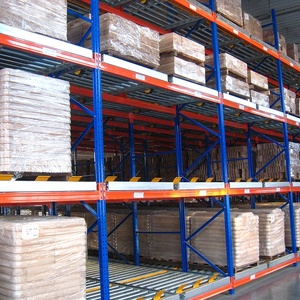
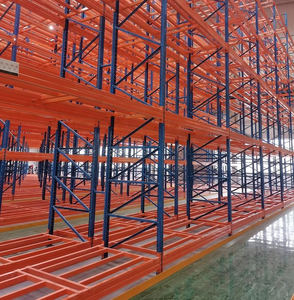
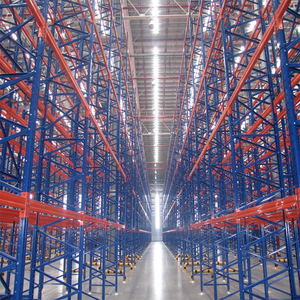
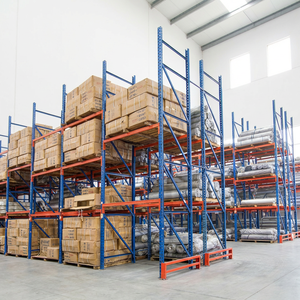
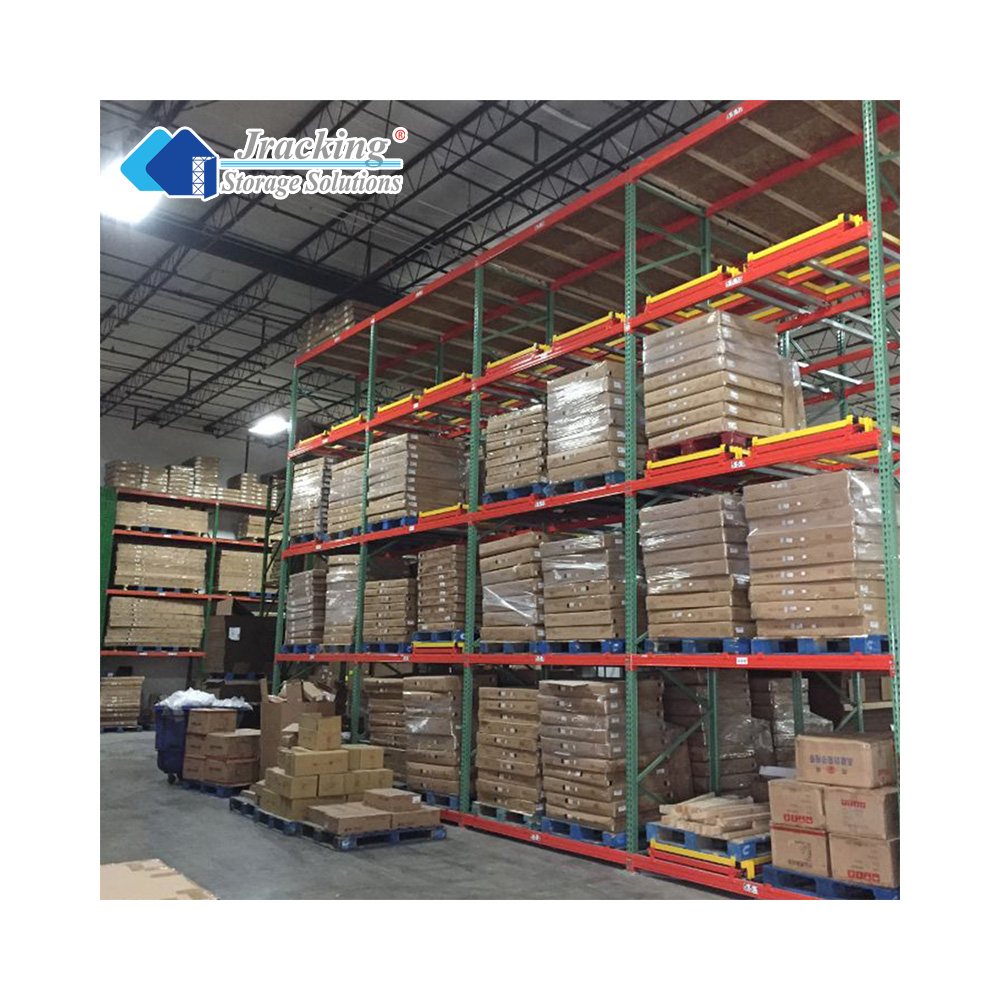
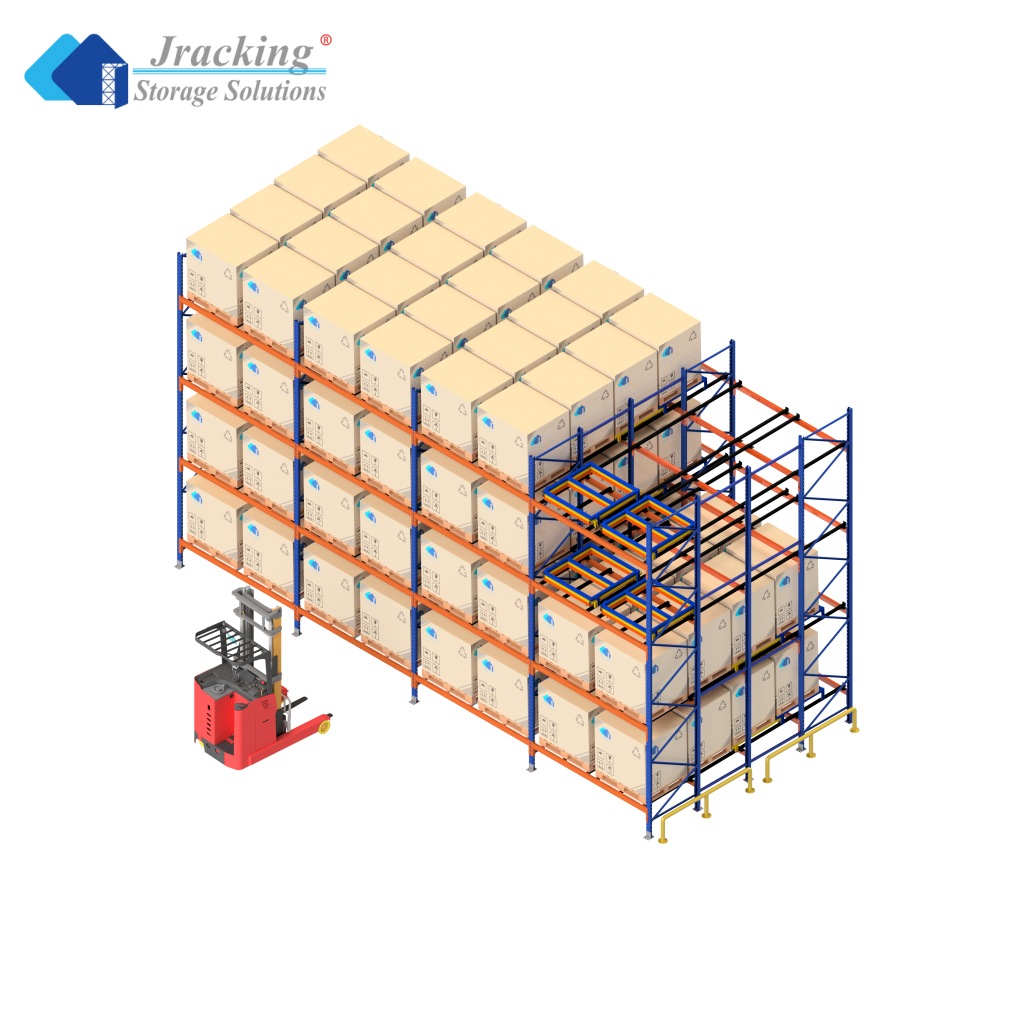
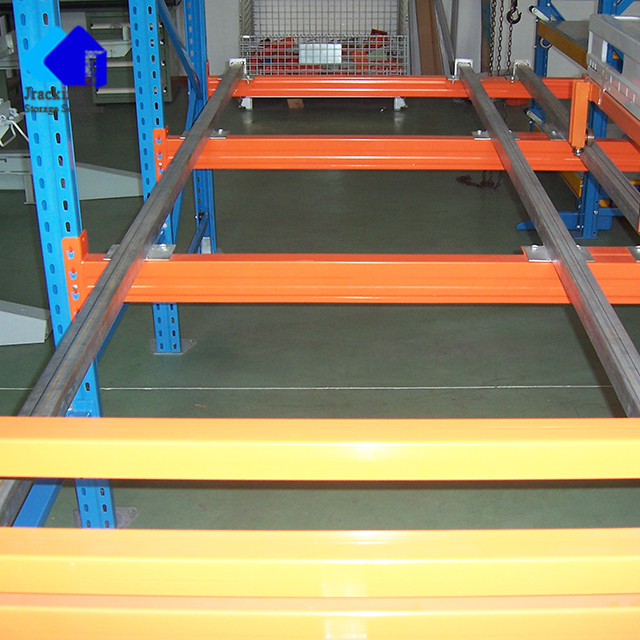
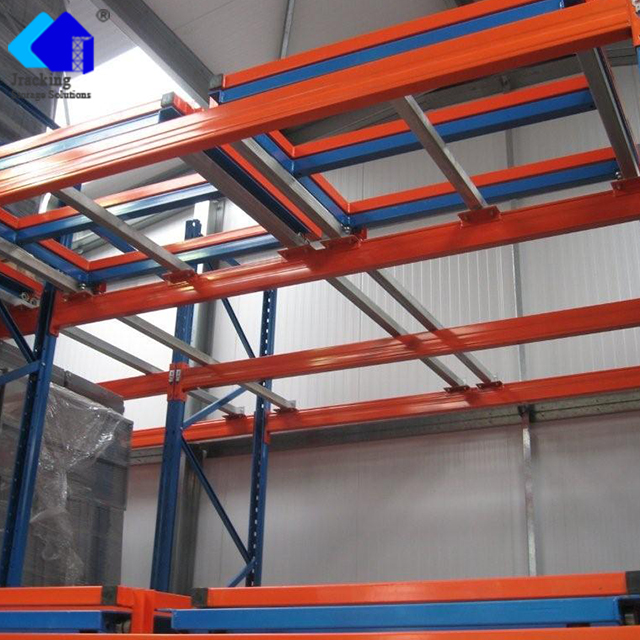
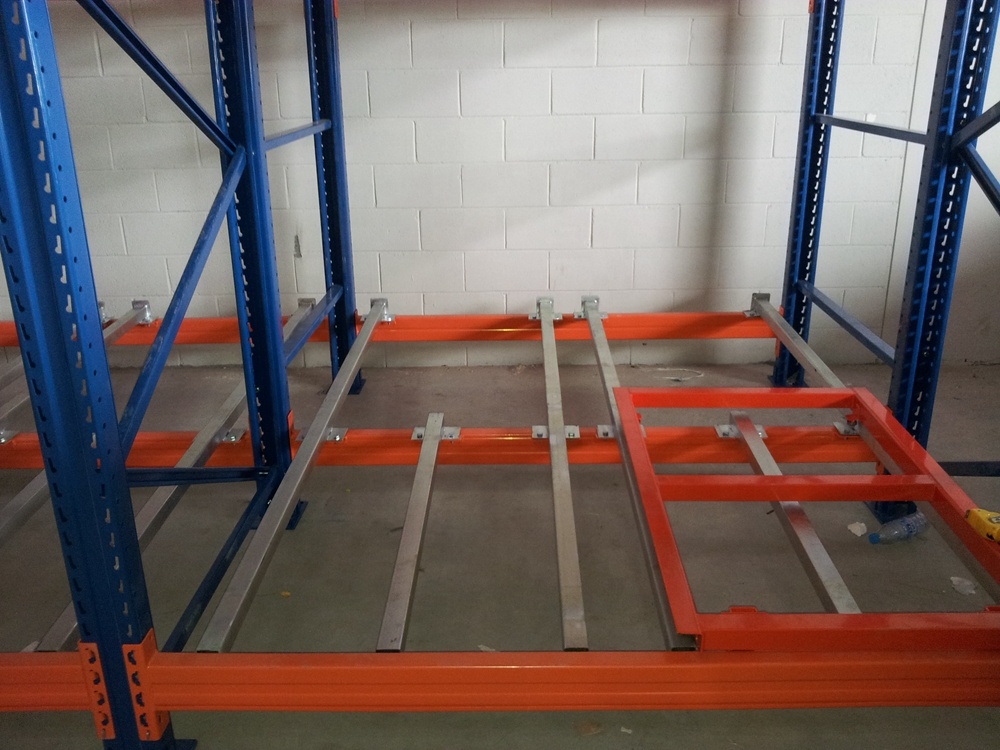
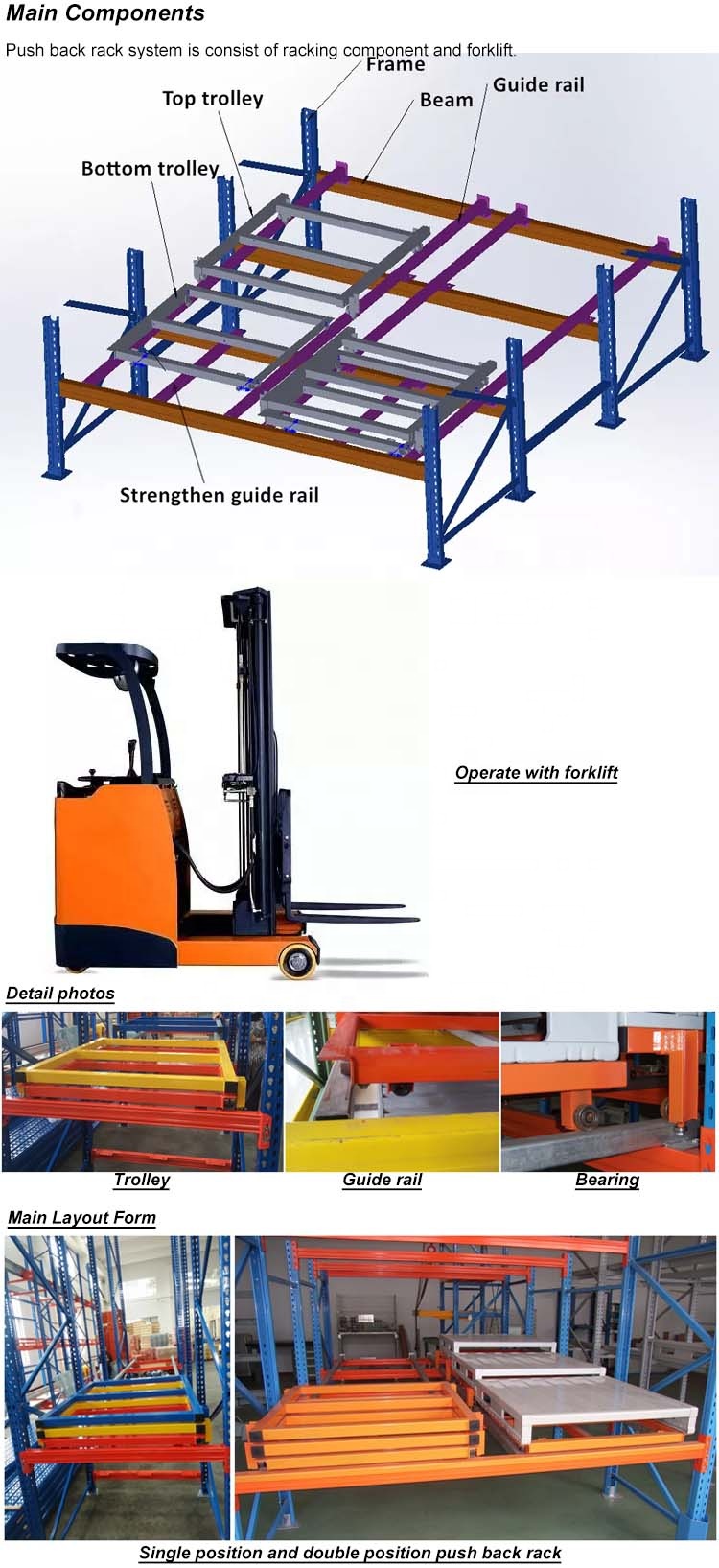
Jracking Push Back Rack is composed of pallet rack and combined with trolley and around 2° guide rail. The push back pallet rack uses heavy-duty carts to form 2 to 5-pallets-deep configurations, single pallet loading capacity is less than 1000kg.
| Name | Push back rack | Material | Steel |
| Size | Customized Size | Color | Customized |
| Depth | Customized | Weight Capacity | 500-5000kg |
| Width | Customized | Height | Customized |
| Finish | Powder Coated | ||
| Usage | Warehouse Storage System | ||
| Application | Widely Used | ||
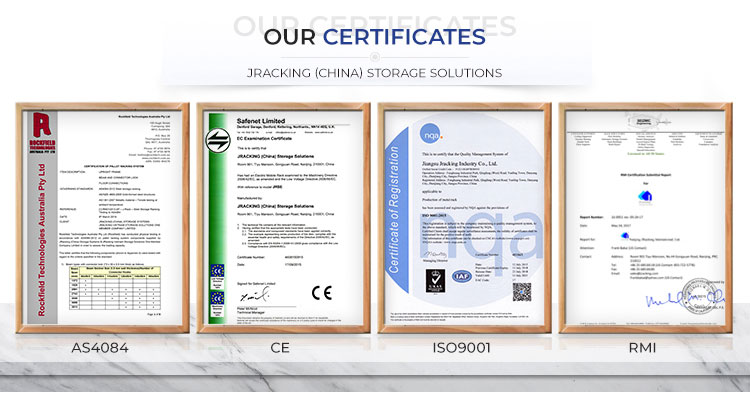
| Certification | CE, AS4084-2012 /CE/ ISO/RMI | ||
| Free Sample | Available (Delivery Cost on Buyer) | ||
| OEM | Available | ||

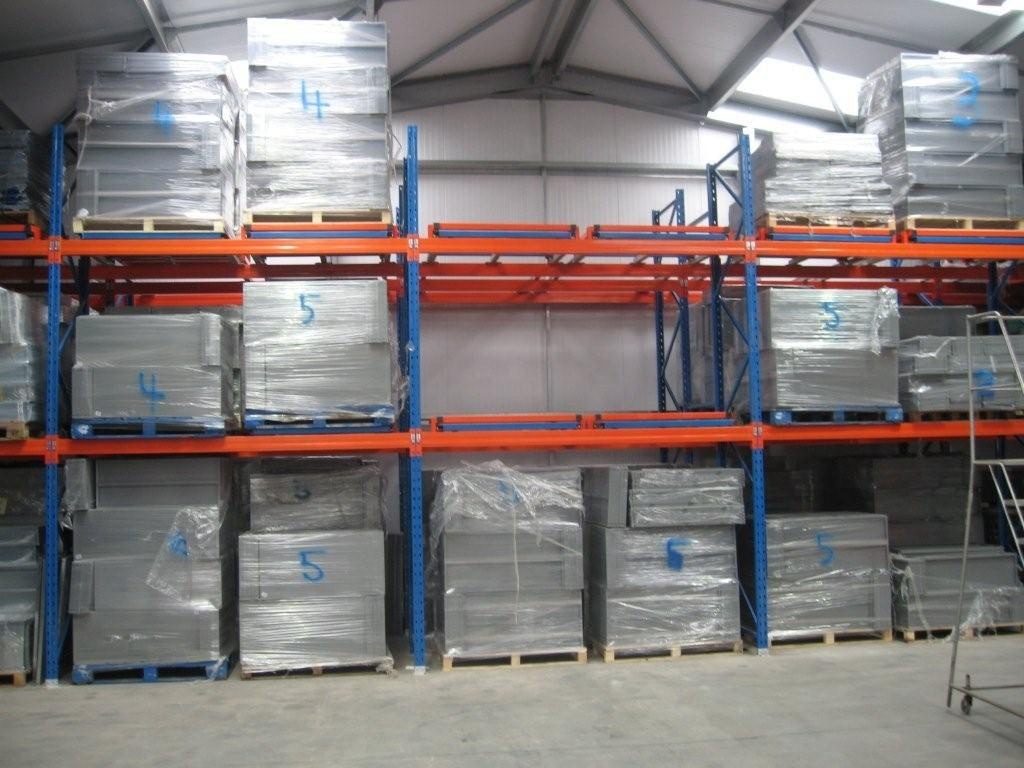
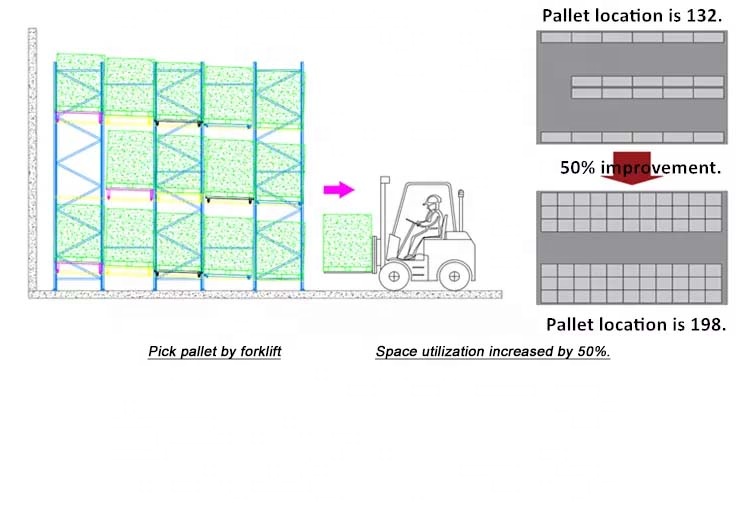
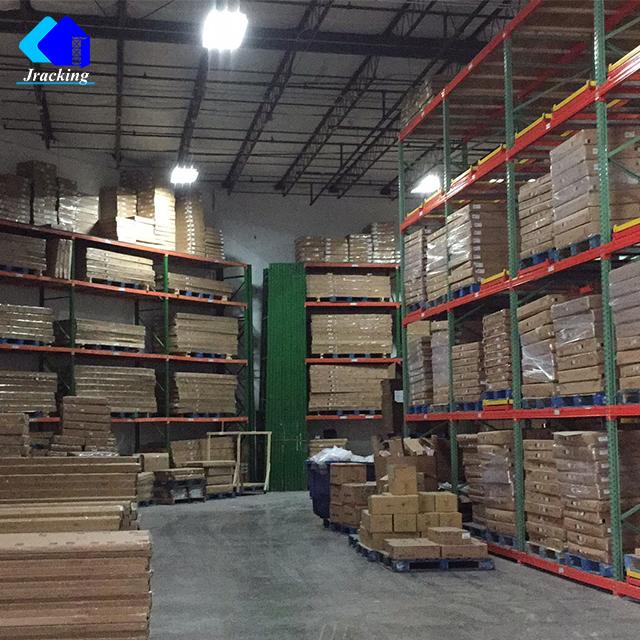
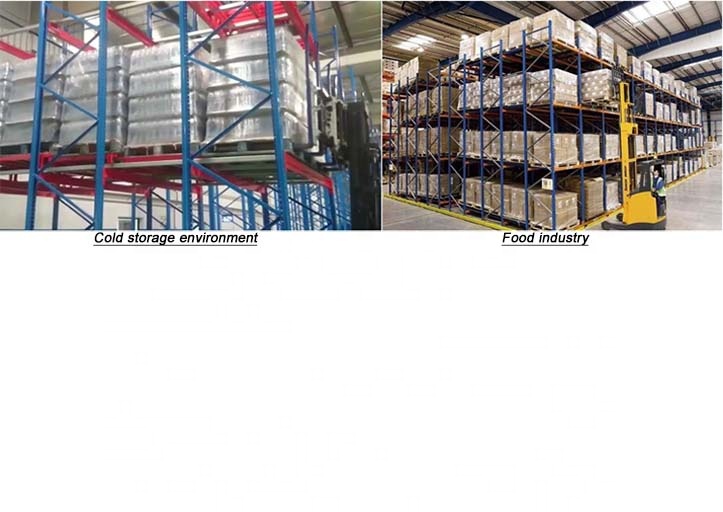
The push back rack is suitable for the products with large quantity and few varieties. Such as:
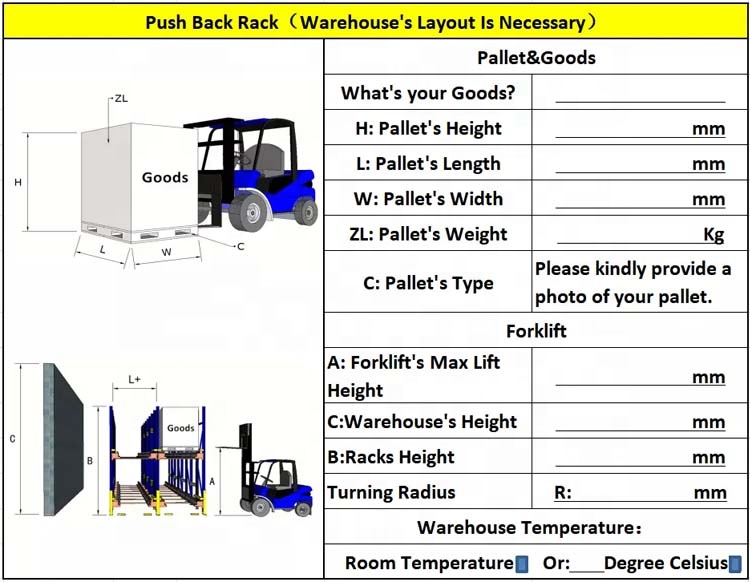
The following chart is intended to show the basic required information for a push back rack quote. To get the most suitable design and cost-effective quote, please feel free to contact our Sales.
Push back racking utilizes inclined guide rails and nested rolling carts. Pallets are loaded onto the carts from the front. When loading subsequent pallets, the forklift gently pushes the existing pallet back to expose the next cart. When unloading, gravity moves the rear pallets smoothly to the front position.
Push back pallet rack systems can typically be designed from 2 to 5 pallets deep per lane, depending on warehouse space and inventory storage requirements.
The single pallet loading capacity is typically rated under 1,000 kg, but custom heavy-duty cart configurations are available to support overall bay capacities from 500 kg up to 5,000 kg.
Forklifts do not need to drive inside the racking structure, significantly reducing rack damage and enhancing operator safety. Additionally, push back racking offers higher selectivity, faster loading/unloading cycles, and better SKU management.
Yes, push back systems are highly recommended for cold storage and freezer warehouses due to their high-density storage capacity, which maximizes expensive temperature-controlled space.
Yes, OEM manufacturing is fully supported. Dimensions, weight capacities, rail inclines, and powder-coated colors can be engineered specifically according to your warehouse layout and pallet dimensions.