Certified Racking Modules & Engineered Base Systems
Integrate our CE-marked base plates and structural racking configurations designed to transfer high axial loads, absorb dynamic seismic shocks, and maintain upright plumb under 3,500kg+ load points.
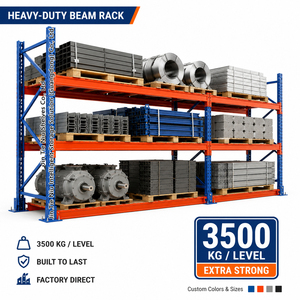
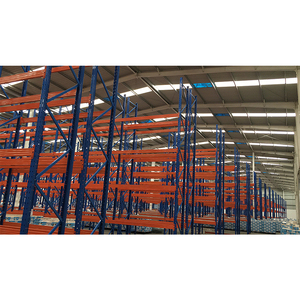
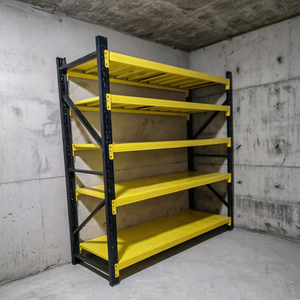
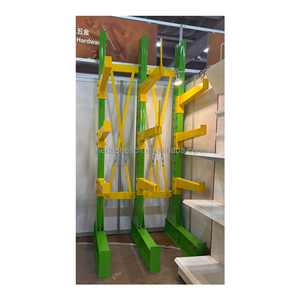
Guangzhou Heda Shelves Co., Ltd. Strengths
Supplying over 120 global regions with ISO 9001:2015 and CE-certified pallet rack foot components, column assemblies, and integrated platforms engineered for extreme industrial demands.
Certified Structural Compliance
Full CE Certification (No. 2435-CPR-8605159) and ISO 9001:2015 accreditation ensuring that every footplate, shim plate, and mechanical anchor adheres strictly to EN 15512, RMI, and FEM structural racking standards.
Complimentary 3D & Seismic Design
Our in-house design office provides free CAD structural layouts and 3D simulation calculating concrete compressive strength, uplift wind loading, and regional seismic acceleration parameters before metal is cut.
End-to-End Production Integrity
Ten automated stages of production in our own workshops—from high-tensile steel blanking and laser cutting to multi-stage phosphating and electrostatic epoxy-powder coating designed for aggressive warehouse environments.
Structural Dynamics of Pallet Racking Footplates: Engineering, Standards & Load Transfer
In pallet racking mechanics, the footplate—often denoted as racking feet, upright baseplates, or anchor shoe plates—represents the single most critical structural interface within the entire warehouse superstructure. While beams absorb horizontal flexural moments and uprights channel axial compressive stresses, the racking footplate is tasked with distributing immense vertical column loads onto the warehouse slab without exceeding the concrete's maximum bearing strength (typically 20–35 MPa).
A standard 12-meter selective rack bay carrying three pallet tiers per level can generate downward point forces surpassing 150 kN under normal operating conditions. In seismic zones or facilities running automated guided vehicles (AGVs) and heavy turret trucks, dynamic horizontal shear forces and overturning uplift moments exacerbate base stress. An inadequately sized, uncertified, or poorly stamped base plate risks punch-through shear failure into the unreinforced slab, bolt yield, and progressive frame collapse.
1. CE Certification and the Rigors of EN 15512 Compliance
For European and global tier-1 supply chains, procuring CE Certified Pallet Racking Feet is an absolute legal and operational prerequisite under the Construction Products Regulation (CPR 305/2011/EU). Under harmonized standard EN 15512 (Steel static storage systems - Adjustable pallet racking systems - Principles for structural design), footplates are evaluated not merely as flat steel cut-offs, but as integral semi-rigid structural joints.
HEDA Shelves manufactures racking footplates through high-precision cold-stamping from certified structural steels (such as Q235B, Q355B, and EN 10025 S355JR). CE testing mandates physical compression tests, rotational stiffness evaluations, and weld-throat shear resistance analysis to determine the precise baseline spring stiffness (Cθ) applied to global stability calculations.
2. Baseplate Typologies for Diverse Architectural Environments
Modern distribution centers demand modularity in footplate engineering based on slab specifications, rack height, and picking logistics:
- Standard Formed Baseplates: Flanged steel units (typically 100x120mm to 120x160mm, 4mm-6mm thickness) with pre-punched staggered anchor holes to prevent slab micro-cracking between close anchor points.
- Heavy-Duty Seismic Footplates: Oversized structural plates (up to 250x250mm, 10mm-16mm thickness) engineered to house four or more heavy-duty chemical or wedge anchors, dramatically distributing overturning moments encountered in seismic zones (such as Chile, Peru, and Western US).
- Shim-Adjustable Levelling Feet: High-tolerance slotted plates accommodating precision-machined steel shims (1mm to 5mm thickness) to correct floor gradients exceeding DIN 18202 standards without compromising vertical axial plumb.
- Cast-In Anchor Plates & Thermal-Isolated Bases: Engineered specifically for cold-storage warehouses (-30°C) with polyurethane thermal barrier pads beneath the footplate to halt frost-heave and prevent thermal bridge transfer.
3. Future Procurement & Technological Trends in Racking Hardware
As logistics real estate becomes more automated, the procurement criteria for racking feet are shifting fundamentally across three technological axes:
A. Integration of Smart Structural Health Monitoring (SHM): Next-generation distribution facilities are incorporating piezoelectric strain sensors and RFID impact monitors directly within upright floor shoes to log forklift impact micro-fractures in real-time before racking deflection can occur.
B. Shift from Wedge to Removable Heavy-Duty Concrete Screws: Procurement teams are shifting specifications from traditional expansion anchors toward high-tensile screw anchors that enable faster relocation, zero internal expansion stresses on cracked concrete, and complete end-of-lease slab restoration.
C. Extreme Corrosion Resistance Coatings: Beyond standard electrostatic powder coat paints, modern agricultural, chemical, and coastal operations now dictate Hot-Dip Galvanization (EN ISO 1461) or specialized zinc-aluminum-magnesium alloy treatments to prevent crevice corrosion around floor washdowns and slab condensation.
Engineering Checklist for Base Plate Sourcing
Prior to signing warehouse equipment supply contracts, ensure your engineering team has verified:
- Factory Mill Test Certificates (MTC) proving steel tensile yield strength (min. 235-355 MPa).
- Valid CE Certificate issued under Construction Products Regulation EN 15512 / EN 1090.
- Staggered bolt pattern geometry reducing slab concrete cone breakout risk.
- Structural calculation reports verifying concrete floor bearing capacity against maximum factored base reaction (Ned).
- Corrosion protection certification (Salt spray testing up to 500+ hours).
Frequently Asked Questions: Sourcing Pallet Racking Feet
Detailed technical clarity addressing load capacity calculations, seismic anchor patterns, flooring requirements, and international factory inspections.
Standard duty racking feet typically feature a nominal plate thickness between 4.0mm and 6.0mm. However, for high-bay systems exceeding 8 meters, mezzanine-supported uprights, or seismic designs, thickness increases to 8.0mm, 10.0mm, or 12.0mm to eliminate plate deformation under heavy tensile overturning forces and edge-anchor reaction moments.
Staggering anchor holes prevents linear hairline cracking within the concrete slab. If anchors are drilled in a straight parallel line along the direction of slab stress joints, the tensile cone overlap can cause concrete spalling or blowout. Staggered designs disperse anchor holding stress over an extended, safer conical perimeter in the concrete.
Under EN 15635 inspection guidelines, full surface contact between base plate and floor slab is mandatory. Where industrial floors exhibit level deviations, high-tensile steel shims matching the exact footprint and bolt cutout of the footplate must be installed beneath the base plate to maintain strict frame plumbness (deviation max 1/500 of height).
For deep freeze warehouses (-30°C) with continuous condensation or seaside logistics zones with high airborne salinity, standard powder coatings can undergo blistering. We recommend pre-galvanized or hot-dip galvanized base feet conforming to ASTM A123 / ISO 1461, ensuring complete cathodic corrosion shielding for over 25 years.