Engineered Stackable & Heavy-Duty Pallet Racking Systems
Manufactured under strict ISO 9001:2015 and CE standards. Explore our high-efficiency modular stacking systems, automated shuttle solutions, and high-capacity storage racks designed for severe industrial environments.
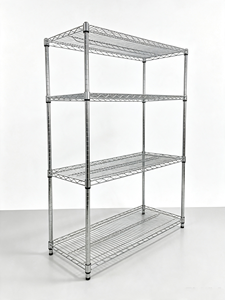
Decking: Galvanized Wire Mesh / Steel Plate
Finish: Electrostatic Epoxy Powder Coating
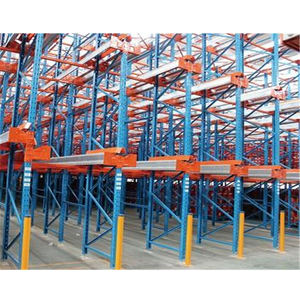
Pallet Capacity: 1,500 kg/pallet
Battery: Lithium Iron Phosphate (LiFePO4)
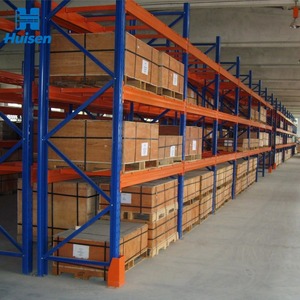
Load Limit: Up to 4,500 kg/level
Standard: AS4084 / FEM 10.2.02 / RMI
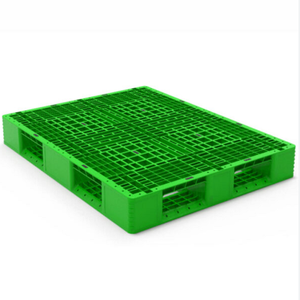
Aisle Configuration: Single-aisle dynamic access
Drive: Motorized electric ground rail
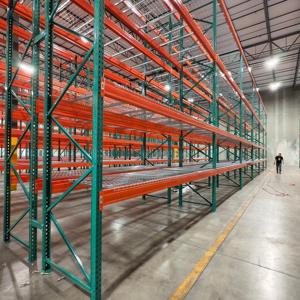
Column Pitch: 2-inch vertical increment
Application: FMCG & Retail Fulfillment
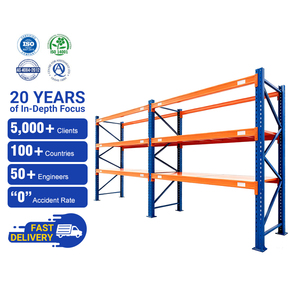
Post Structure: Removable or nestable tube
Base Design: 4-way forklift / pallet truck entry
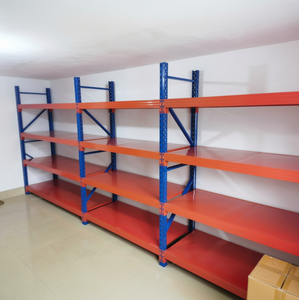
Reinforcement: Under-deck hat channels
Safety: Spring beam locks included
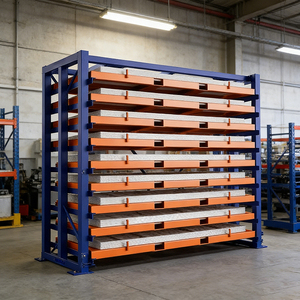
Drawer Load: 2,000 - 5,000 kg per drawer
Application: Sheet steel, dies, tooling fixtures
Why International Supply Chains Rely on HEDA Shelves
Headquartered in Guangzhou with more than two decades of dedicated structural engineering, Guangzhou Heda Shelves Co., Ltd. bridges the gap between cost-effective Chinese steel fabrication and stringent Western mechanical codes.
Prime Q235B & Q355B Steel
We source certified hot-rolled coil and strip steel exclusively from tier-one state mills (Baosteel, Shougang). Every production batch undergoes tensile, yield, and chemical spectrometry testing before entering roll-forming lines.
Structural Seismic Engineering
Our in-house design wing calculates finite element models (FEA) compliant with global seismic standards, including European EN 15512, US RMI MH16.1, and Latin American codes (Chile NCh 2369, Peru E.030, Colombia NSR-10).
10-Stage Surface Treatment
From automatic ultrasonic degreasing, zinc-phosphate pickling, to double electrostatic thermosetting epoxy coating baked at 200°C. Delivers superior salt-spray corrosion resistance for humid coastal warehouses and sub-zero cold rooms.
Free 3D Layout & BIM Models
Share your architectural CAD floor plan. Our 300+ technical staff produce complete 3D warehouse layout simulations, load distribution diagrams, and container cubic utilization calculations within 24 business hours.
Engineering Principles of Heavy-Duty Stackable Pallet Racks
In modern industrial logistics, stackable pallet racks (frequently specified as portable stacking frames, post pallets, or stillage cradles) represent a dynamic alternative to permanently anchored selective pallet racking. Unlike fixed selective systems anchored into industrial concrete floor slabs, stackable racking utilizes four corner-post sleeve joints that bear compressive axial loads, transferring structural stresses directly through the vertical posts to the nested cups below.
The structural integrity of a multi-tier stacking matrix (often arranged 4 to 6 units high) depends fundamentally on the weld throat thickness at the post-to-base connection. HEDA uses robotic GMAW (gas metal arc welding) with certified argon-rich shielding gas to prevent hydrogen embrittlement. This continuous robotic weld bead eliminates thermal stress cracking caused by rapid cooling in high-stress metallurgical junctions.
Cold-Formed vs. Hot-Rolled Structural Sections
Standard pallet racks utilize cold-formed upright profiles featuring multiple compound bends. Each bend increases the yield strength of the steel through the strain-hardening effect. While standard cold-formed sections offer exceptional strength-to-weight ratios for dry distribution centers, heavy industrial applications—such as foundries, coil storage, and extreme cold-storage freezers—often deploy closed-box structural square hollow sections (SHS) or rectangular hollow sections (RHS). The seamless closed perimeter of hollow structural sections provides superior torsional rigidity (St. Venant torsion constant), resisting vehicular forklift impacts far better than open C-shaped or omega channels.
| Structural Profile Type | Steel Grade | Nominal Yield (MPa) | Deflection Tolerance | Primary Application Environment |
|---|---|---|---|---|
| Cold-Formed Omega Upright | Q235B / SS400 | ≥ 235 MPa | L / 200 | Ambient Distribution Centers, Multi-SKU E-Commerce |
| Heavy-Duty SHS Hollow Tube | Q355B / ASTM A572 | ≥ 355 MPa | L / 250 | Modular Stackable Stillages, Heavy Automotive Castings |
| Structural C-Channel Beam | Q235B Hot Rolled | ≥ 235 MPa | L / 300 | Drive-In Heavy Racks, Pallet Flow Gravity Lanes |
| Hot-Dip Galvanized Tube | Q235B + HDG | ≥ 235 MPa | L / 200 | Sub-Zero Blast Freezers (-35°C), Coastal Fertilizer Docks |
Global Procurement Trends in Warehouse Racking (2025–2030)
Global supply chain directors and warehouse procurement executives face evolving capital expenditure constraints, dynamic warehouse lease cycles, and shifting logistics topologies. Sourcing industrial racking systems from China has matured from simple price-per-kilogram shopping into an integrated value-chain evaluation centered on total cost of ownership (TCO).
Shift Toward Modular Flexibility
Volatile third-party logistics (3PL) contracts make permanent bolted racking risky for warehouse operators with 2-to-3-year customer SLAs. Stackable and demountable pallet racks allow facilities to reconfigure floor plans within hours or disassemble the system to free up open square footage during off-peak seasons.
Container Freight Density Engineering
With international ocean freight representing 15% to 30% of landed procurement costs, advanced suppliers engineer fully knock-down post pallets. Removable tubular corner posts pack densely into 40ft High Cube containers, tripling the cubic efficiency compared to fixed welded stillages and cutting per-pallet ocean freight by up to 60%.
Stringent Carbon & ESG Audits
Tier-one European and North American enterprises now mandate low-VOC electrostatic powder coatings and documented recycled scrap steel ratios. Automated pre-treatment lines that recycle rinse water and capture oven heat directly fulfill ISO 14001 corporate sustainability covenants.
Technological Evolution: Smart Storage & Material Handling Integration
The convergence of industrial IoT, autonomous guided vehicles (AGVs), and smart warehouse management software (WMS) has transformed stackable and heavy-duty racking from passive steel hardware into active data nodes. Procurement teams must now evaluate whether racking components interface cleanly with automated systems.
1. Automated Shuttle Interfacing
Radio shuttle and satellite racking systems represent the premier high-density evolution for cold-chain and FMCG warehousing. Pallets are driven down long internal channels by self-powered lithium-ion shuttle carts operating on precision-rolled steel tracks. Because the forklift never enters the storage lane, structural beam damage is reduced by more than 90%, while throughput speeds triple compared to standard drive-in systems.
2. RFID & Optical Target Integration
Modern modular stackable units are increasingly ordered with recessed barcode mounting plates and passive ultra-high-frequency (UHF) RFID transponders embedded inside corner posts. When automated guided forklifts maneuver through staging zones, LiDAR scanners identify stack locations dynamically, enabling true chaotically organized automated block stacking.
3. Cold-Chain Anti-Brittle Metallurgy
In sub-zero temperatures (-25°C to -40°C), conventional carbon steel exhibits a sharp ductile-to-brittle transition, which increases failure risks under forklift impact shock. HEDA Shelves addresses this vulnerability through micro-alloyed steels with fine grain structures (controlled aluminum and titanium dosing) that retain high Charpy V-notch impact energy at sub-zero temperatures.
Frequently Asked Questions by Industrial Buyers
Authoritative technical answers to common engineering, logistics, and compliance questions encountered when importing industrial pallet racking systems from China.
How do you verify structural calculations for seismic warehouse locations? +
What is the difference between standard Q235B and high-strength Q355B steel? +
How are stackable pallet racks packed to prevent paint damage in ocean transit? +
When should a facility specify hot-dip galvanizing vs. powder coating? +
What documentation is provided to satisfy local building and insurance inspectors? +
What is the standard production lead time for a 10 to 50 container project? +
Request an Engineering Consultation & Free 3D Layout
Send your warehouse dimensions, pallet configurations, and target payload. Our structural engineers will review your project parameters and deliver a complimentary CAD layout and structural feasibility analysis within 24 hours.