Featured Gravity Flow & Heavy-Duty Warehouse Storage Portfolio
Explore our precision-formed gravity flow lanes, high-capacity industrial shelving, carton flow assemblies, and modular stacking systems manufactured with premium Q235B/Q355B structural steel.
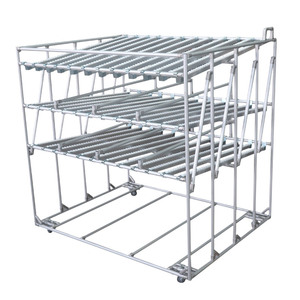
Roller Track Pipe Rack System Flow Roller Rack Assemble Aluminum Flow Rails for Shelf
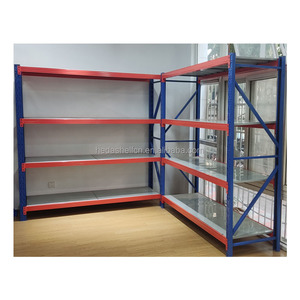
Boltless Adjustable Heavy Duty Load-Bearing 500kg/Layer Steel Racks Industrial Shelving
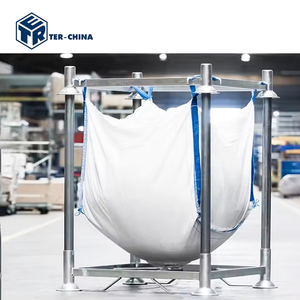
M3-1.5T Post Pallet Rack Big Bag Stacking Rack Shelves Double Stacking Solution
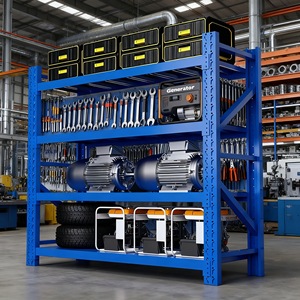
Iron Metal Shelves 4-Layer 400kg Heavy Duty Stackable Racking Commercial Shelving
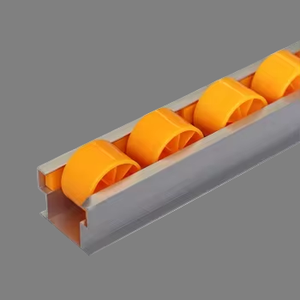
Racking System Gravity Flow Racks Pallet Flow Roller Shelving Carton Flow Modular
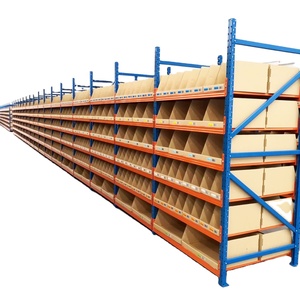
China Factory Heavy Duty Industrial Steel Racking Shelf High Capacity Powder Coated
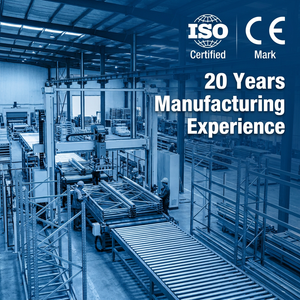
Carton Flow Rack with Roller Tracks Gravity FIFO Storage Racking System OEM Custom
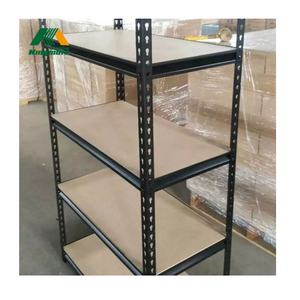
Customized Powder Coating Metal Steel Light Duty Shelving Commercial Storage Racking
Kinematic Dynamics of Gravity Feed Pallet Racking Systems
Gravity feed pallet racking—frequently classified as pallet flow racking or dynamic live roller storage—operates as a self-actuating material handling installation governed strictly by gravitational potential energy and engineered friction. In an era dominated by escalating square-meter land acquisition costs and high-intensity automated order fulfillment, gravity pallet flow represents the physical apex of high-density storage combined with genuine First-In, First-Out (FIFO) stock rotation. Unlike conventional static selective racking, which requires designated transit aisles between every single double rack run, a gravity feed system eliminates dead aisle footprint by compressing storage bays into contiguous, inclined roller lanes extending up to 20 to 30 pallets deep.
The mechanical efficiency of a gravity flow installation relies upon four primary engineering variables: track incline angle (pitch), roller brake absorption capacity, centrifugal speed controller distribution, and pallet bottom structural integrity. Typically configured at an engineered incline ranging from 3.0% to 4.2% (approximately 1.7° to 2.4°), pallets are introduced at the upper charging (loading) end and glide unassisted along zinc-plated, ball-bearing steel rollers toward the discharge (picking) face. To prevent uncontrolled acceleration and high-mass impact kinetic energy build-up along extended runs, internally geared centrifugal brake rollers are calibrated based on unit-load gross mass (typically 500 kg to 1,500 kg per pallet position).
Calibrated Centrifugal Braking
Self-energizing friction brake rollers modulate lane velocities between 0.2 m/s and 0.35 m/s, preventing load collision hazards and mitigating kinetic inertia regardless of lane depth or variable pallet weights.
Separator & Ramp Safety Stops
Integrated mechanical pallet separators relieve hydrostatic line pressure behind the lead pallet, allowing forklifts to extract discharge pallets without back-pressure friction or wedging accidents.
Dynamic Zero-Energy Mechanics
Requires zero operational electrical current for horizontal travel. Minimizes internal transit routes by up to 60%, drastically cutting forklift battery usage, tire degradation, and labor overheads.
Gravity Pallet Flow vs. Alternative High-Density Systems
Direct technical comparison illustrating structural, spatial, and budgetary variables across common industrial high-density storage methodologies.
| Evaluation Parameter | Gravity Pallet Flow (FIFO) | Drive-In Racking (LIFO) | Radio Shuttle System (FIFO/LIFO) | Push-Back Cart Racking (LIFO) |
|---|---|---|---|---|
| Storage Density Efficiency | Ultra-High (up to 85% volumetric) | High (up to 75% volumetric) | Maximum (up to 90% volumetric) | Moderate-High (up to 70% volumetric) |
| Inventory Rotation Model | Strict FIFO (First-In, First-Out) | Strict LIFO (Last-In, First-Out) | Configurable (Both FIFO & LIFO) | Strict LIFO (Last-In, First-Out) |
| Forklift Aisle Requirements | 2 Aisles (1 Loading + 1 Discharge) | 1 Aisle (Entry into structural lane) | 1 to 2 Aisles (Exterior handling) | 1 Operating Aisle Only |
| Maximum Lane Depth | Up to 30 Pallets per lane | Typically 6 to 10 Pallets | Up to 50+ Pallets per lane | 2 to 6 Pallets Maximum |
| Mechanical Risk / Forklift Impact | Low (Forklift never enters rack) | High (Frequent upright collisions) | Low (Forklift remains in transfer aisle) | Low to Medium (Front face operations) |
| Energy Consumption Cost | Zero kW (Pure gravitational kinetic) | Zero kW (Manual vehicle travel) | Medium (Lithium-ion shuttle charges) | Zero kW (Vehicle push mechanical) |
| Optimal Application Fields | Perishables, FMCG, Cold Chains, Pharma | Single-SKU bulk seasonal holding | Automated cold stores, massive SKU lots | Medium batch storage, staging buffers |
Enterprise Manufacturing Infrastructure & Quality Engineering
Supplying heavy-duty racking worldwide since 2001 with 30,000 square meters of precision fabrication capacity and comprehensive international regulatory certifications.
As a Tier-1 industrial storage manufacturer established in 2001 in Guangzhou, China, Guangzhou HEDA Shelves Co., Ltd. commands an integrated 30,000 m² manufacturing plant staffed by more than 300 experienced engineers, structural modelers, quality inspectors, and precision machine technicians. With a sustained monthly processing capacity reaching 30,000 metric tons of steel, our advanced production lines seamlessly process cold-rolled sheet steel into high-moment-capacity upright columns, box beams, heavy-duty dynamic gravity roller tracks, and specialized accessories.
Our engineering rigor is attested by our international certification portfolio, which includes audited CE Attestation No. 2435-CPR-8605159, strict compliance with ISO 9001:2015 Quality Management System Certification (No. 18624Q00169R0M), and environmental/material safety validations such as RoHS. For overseas project engineers and industrial distributors, partnering with HEDA ensures direct mill traceability, automated continuous roll-forming tolerances within ±0.5 mm, automated robotic welding stations, and automated electrostatic powder coating lines with pre-treatment multi-stage pickling and phosphating.
Seismic Structural Engineering
Calculations adhere to international standards (RMI, FEM 10.2.02, NCh 2369, NSR-10), sizing baseplates, anchor tensile embedments, and back bracings to site seismic accelerations.
Complimentary 3D & CAD Layouts
Our structural design team delivers custom CAD drawings, load deflection calculations, and 3D warehouse simulations within 24 hours to maximize aisle-to-pallet ratios.
Advanced Surface Treatment
Full 10-stage pre-wash, acidic pickling, rust-preventative phosphating, and thermoset polyester powder coating guarantee corrosion resistance across cold and coastal environments.
Container Freight Optimization
Custom structural bundle packaging and precision CAD container stowage plans maximize TEU/FEU container weight and volume utilization, minimizing landed freight costs.
Future Procurement & Technological Trends (2025–2030)
The procurement landscape for gravity feed pallet racking systems is undergoing significant structural transformations driven by global supply chain volatility, nearshoring, and mandatory Scope 1 & Scope 2 decarbonization targets. Warehouse design consultants are systematically transitioning from energy-intensive fully automated storage and retrieval systems (ASRS) toward hybrid, passive dynamic gravity solutions. Over the 2025–2030 procurement cycle, several transformative trends dictate B2B wholesale decision-making:
1. Decarbonized, Passive High-Density Fulfillment: With warehouse electricity tariffs surging globally, facility planners recognize that gravity feed pallet racking delivers high-throughput FIFO rotation with near-zero continuous electrical input. In refrigerated logistics and cold-chain distribution centers—where operating temperatures reach -25°C to -30°C—every cubic meter eliminated directly decreases cooling compressor workload. Combining gravity pallet flow with narrow-aisle electric reach trucks optimizes total cost of ownership (TCO) compared to complex automated systems that suffer mechanical sensor failures in sub-zero environments.
2. Eddy-Current Non-Contact Magnetic Braking Systems: Next-generation gravity flow lanes are eliminating traditional internal mechanical brake drums subject to friction-pad wear. Emerging designs utilize permanent-magnet eddy-current retardation. As the aluminum or conductive copper component of the roller spins through the magnetic field generated by rare-earth neodymium magnets, an opposing braking torque is induced proportional to the pallet velocity. These wear-free dynamic brakes offer an operational lifespan exceeding 15 years with minimal maintenance interventions.
3. IoT Lane Occupancy & Smart Speed Sensor Telemetry: Modern wholesale gravity feed specifications increasingly require optical lane-end sensors and mechanical weight-triggered micro-switches integrated directly into roller channels. These passive, low-power telemetry modules communicate with warehouse management software (WMS) via industrial LoRaWAN or Zigbee protocols, providing real-time visibility into SKU lane fill percentages, pallet staging velocity, and automated replenishment triggers.
Sub-Zero Cold Chain Reliability
Specialized low-temperature roller grease rated down to -35°C and galvanized steel lane components prevent condensation freezing, roller seizure, and surface oxidation in refrigerated cold stores.
Modular Lane Pitch Adjustability
Patented beam-attachment brackets permit field technicians to adjust lane inclination between 3.0% and 4.5% using standard tools, accommodating changing pallet inventories and bottom-board materials.
Split-Roller & Triple-Track Versatility
Multi-track split-roller arrangements support standard GMA, Euro-pallets (800x1200mm), industrial 1000x1200mm, and plastic runner skids without lane reconfiguration.
Gravity Pallet Racking Procurement FAQ
Comprehensive engineering insights to address common challenges encountered during warehouse layout planning, structural sizing, and international logistics.
What is the standard incline angle (pitch) for a gravity feed pallet racking system?
How do brake rollers function, and how many are required per lane?
What pallet types are compatible with gravity flow roller systems?
What is the function of the pallet separator mechanism at the discharge end?
How does HEDA Shelves handle seismic load calculations for overseas installations?
What are the minimum warehouse building requirements for gravity flow pallet systems?
What parameters must I provide to obtain a complete CAD drawing and price quote?
Ready to Optimize Warehouse Density with Engineered Gravity Flow?
Connect directly with Guangzhou HEDA Shelves' senior structural engineering team. Receive comprehensive CAD layouts, 3D renderings, and transparent FOB/CIF factory-direct pricing backed by 25+ years of global manufacturing excellence.