Industrial Warehouse Storage & Unit-Load Solutions
Explore our precision-fabricated steel warehousing systems and wire containment units engineered for heavy distribution, cold-chain environments, textile management, and automated logistics hubs.
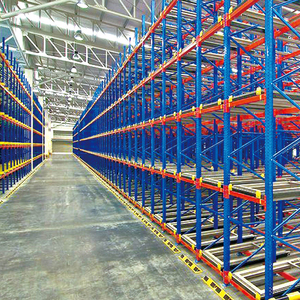
High Density 5 Layer Steel Push Back Racking Pallet Storage
- Structure: Roller Track Nested Carts
- Load Capacity: 1,000–1,500 kg / Pallet
- Steel Grade: Q235B High Tensile
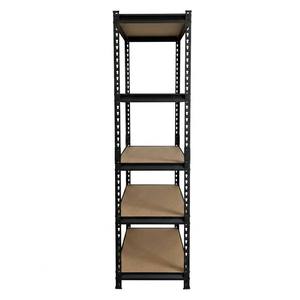
5-Tier Boltless Open-Post Z-Beam Adjustable 150kg Shelving
- Design: Boltless Interlock Z-Beam
- Decking: High-Density MDF / Steel
- Finish: Scratch-Resistant Powder
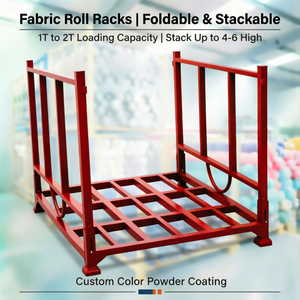
TER Professional Textile Industry Stackable Foldable Roll Rack
- Design: Foldable Nesting Stillage
- Stacking: 4-5 Tiers Fully Loaded
- Safety: Reinforced Cradle Posts
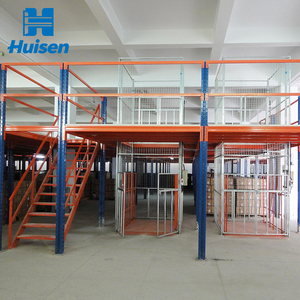
Industrial Heavy-Duty Warehouse Attic Lofts Mezzanine Floor
- Deck Capacity: 300–1,000 kg / m²
- Framework: Cold-Rolled Structural Beams
- Integration: Pallet Drop Gates & Stairs
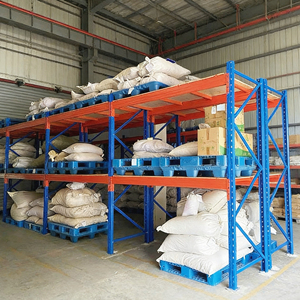
Selective Industrial Heavy-Duty Steel Pallet Rack System
- Pitch Adjustment: 50mm / 75mm Pitch
- Beam Section: Box Beam Interlock
- Compatibility: Wire Decking / Mesh Cage
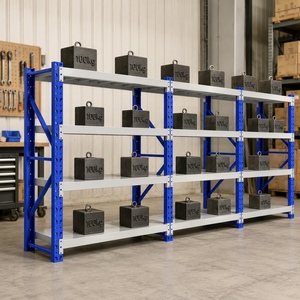
Medium Duty Commercial Shelving 100-500kg Corrosion Protected
- Capacity: 100–500 kg / Level
- Corrosion Proof: Multi-Stage Phosphating
- Applications: Hardware, E-Commerce Parts
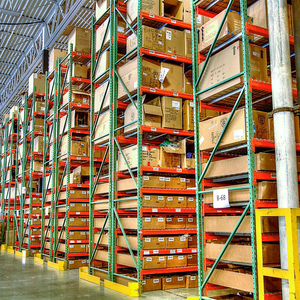
Warehouse Storage Heavy Duty Double-Deep Pallet Rack Shelving
- Density Gain: +40% vs Selective Racks
- Aisle Economy: Fewer Aisles Required
- Material: Certified Q235 Structural Steel
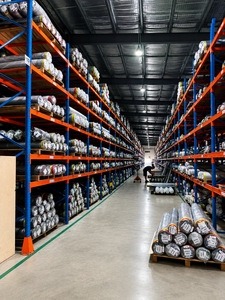
Multi-Level Warehouse Heavy Duty Storage Steel Pallet Racks
- Height Reach: Up to 12+ Meters Structural
- Protection: Base Protectors & Mesh Backs
- Standard: FEM 10.2.02 / CE Compliant
Technical Architecture: Wire Mesh Pallet Cages & Unitized Logistics
Modern distribution centers and heavy manufacturing plants face rising warehouse square-footage costs, stringent worker safety regulations, and aggressive freight turnaround demands. High-integrity wire mesh pallet cages—also known across international supply chains as collapsible stillages, wire containers, and industrial Gitterbox units—deliver structural safety, high visibility, and exceptional reverse-logistics cubic efficiency.
Cold-Drawn Metallurgy & Mesh Grids
Our cages utilize high-grade Q195 and Q235 low-carbon steel wire rods, cold-drawn through multi-stage reduction dies to achieve a tensile strength rating of 450 to 650 MPa. Robotic automated resistance mesh welders join wire intersections into rigid apertures (50x50mm, 50x100mm, or 100x100mm) with continuous weld nugget fusion exceeding 3.5 kN shear testing standards, eliminating seam fatigue under violent vibration during transit.
Surface Chemistry & Anti-Corrosion
To survive aggressive environments—from cold-storage rooms with -30°C condensates to seaside ports with high salt-air salinity—our factory deploys three distinct surface finishes: Acid-pickled Electro-Galvanization with trivalent chrome (Cr3+) passivation (12–18 μm), Hot-Dip Galvanization conforming to ISO 1461 (>65 μm zinc thickness for 10+ years exterior life), and thermoset electrostatic epoxy-polyester powder coating (80–120 μm) cured at 200°C.
Base Channel & Self-Locking Hinges
The bottom structural frame is cold-roll formed into an inverted U-channel geometry reinforced by cross-welded tie bars. This design permits smooth 4-way forklift tine insertion and prevents pallet rack wire-deck snagging. Heavy-duty spiral helical coils and safety drop-pins enable rapid one-person collapsing while preventing unintentional gate unlatching under dynamic internal shifting loads.
| Model Series | External Dimension (L×W×H mm) | Internal Volume | Wire Gauge (Ø mm) | Mesh Pitch (mm) | Dynamic Working Load | Static Stacking Tier |
|---|---|---|---|---|---|---|
| WPC-800 Standard | 800 × 600 × 640 | 0.22 m³ | 4.8 mm | 50 × 50 | 700 kg | 4 High (1 + 3) |
| WPC-1000 Euro Stillage | 1000 × 800 × 840 | 0.52 m³ | 5.8 mm | 50 × 50 / 50 × 100 | 1,200 kg | 4 High (1 + 3) |
| WPC-1200 Heavy Duty | 1200 × 1000 × 890 | 0.84 m³ | 6.0 mm / 6.2 mm | 50 × 100 | 1,500 kg | 4 High (1 + 3) |
| WPC-1400 Extra Depth | 1400 × 1100 × 1000 | 1.25 m³ | 6.4 mm | 100 × 100 | 2,000 kg | 3 High (1 + 2) |
| WPC-Custom Automotive | Project Tailored | Engineered to Spec | 4.5 to 8.0 mm | Custom Variable | Up to 2,500 kg | FEA Verified |
Future Sourcing Trends for Wire Mesh Pallet Cages & Storage Units
B2B procurement executives, supply chain engineers, and logistics directors face rapidly changing environmental laws, automated warehouse infrastructure, and rising transoceanic container rates. Sourcing decisions over the next five years will be shaped by four pivotal manufacturing trends:
1. AGV & AMR Autonomous Interface
Modern distribution hubs are replacing counterbalanced forklifts with Autonomous Mobile Robots (AMRs) and automated high-bay crane stackers. This shift demands dimensional fabrication tolerances within ±1.5mm, zero bottom channel deflection, and integrated optical reflector zones or RFID tag pockets on cage corner posts to ensure error-free machine docking.
2. Circular Economy & PPWR Compliance
Under the European Union Packaging and Packaging Waste Regulation (PPWR) and global corporate ESG mandates, disposable wooden pallets and single-use stretch wrap films are being phased out. Reusable, 100% recyclable steel wire containers have an operational lifespan of 10 to 15 years, eliminating timber pallet disposal costs and slashing carbon credits per shipment.
3. Reverse Logistics Volume Collapsibility
With volatile global ocean freight and intermodal trucking tariffs, returning empty rigid containers is economically impractical. Next-generation wire mesh cages feature an engineered folding geometry with a 1:4 or 1:5 volume reduction ratio. A standard 40ft High Cube container can backhaul up to 360 collapsed cages compared to just 72 erected units, reducing return transport overhead by over 75%.
4. Cold Chain & Cryogenic Performance
The rapid growth of frozen protein and temperature-controlled pharmaceutical cold chains requires wire cages that avoid low-temperature steel embrittlement. Certified cold-drawn steel formulations combined with hot-dip galvanization ensure structural resilience down to -40°C without weld micro-cracking or zinc flake contamination in food storage areas.
10-Stage Precision Manufacturing Workflow
Every wire mesh pallet cage and heavy-duty storage structure engineered in our Guangzhou manufacturing base undergoes strict quality audits at each step. This process guarantees dimensional precision, weld integrity, and uniform surface protection before export shipping.
Raw Steel Inspection
Spectrometric carbon grade testing and tensile pull verification on Q195/Q235 steel rods.
High-Speed Drawing
Cold die reduction to exact wire diameters (3.8mm to 6.4mm) with work-hardening control.
CNC Straighten & Cut
Automated flying-shear cutters produce clean, burr-free wire pins within ±0.5mm tolerances.
Matrix Mesh Welding
Multi-spot automated resistance welding delivers simultaneous high-temperature fusion joins.
Base Roll-Forming
Continuous roll-forming lines shape inverted U-channels and heavy perimeter base angles.
Robotic Foot Welding
Heavy-gauge triangular cup feet and stacking skirts are welded by 6-axis robotic cells.
Chemical Pre-treatment
Multi-stage ultrasonic degreasing, acid pickling, rust removal, and dense zinc phosphating.
Surface Finishing
Continuous hot-dip zinc plating or automatic electrostatic epoxy powder coating lines.
Load & Destructive QC
Batch compression testing, weld shear shearing checks, and salt-spray corrosion tests.
Container Load Plan
Dense flat-pack strapping and corner-cushioned maritime export bundling for sea transit.
Wire Mesh Pallet Cages vs. Solid Sheet Stillages vs. Wooden Crates
Selecting optimal bulk containment involves balancing initial capital expense against long-term maintenance costs, warehouse ventilation, fire safety requirements, and ergonomics. This matrix highlights why modern logistics operators are shifting to open-wire mesh designs:
| Performance Vector | Collapsible Wire Mesh Pallet Cage | Solid Sheet Metal Stillage | Treated Timber Box / Crate |
|---|---|---|---|
| Tare Weight to Load Ratio | Superior (1:25 to 1:35): Low dead-weight saves freight costs and operator effort. | Heavy (1:10 to 1:15): High tare reduces available vehicle payload. | Variable: High tare weight, absorbs moisture and rain. |
| In-Warehouse Visual Inventory | 100% Optical Transparency: Barcodes scan through mesh without opening. | Zero Transparency: Operators must climb or de-stack to check stock. | Zero Transparency: Requires physical uncrating or exterior placards. |
| Fire Safety (Sprinkler Clearance) | Fully Compliant: Water flows freely through open grid mesh. | Shields Sprinklers: Traps water, requiring costly in-rack sprinkler heads. | Flammable: Contributes to facility fire load; increases insurance premiums. |
| Dust & Debris Accumulation | Self-Cleaning: Dirt and metal shavings fall through; easy air-blast clean. | High Accumulation: Bottom corners collect oils, debris, and moisture. | Splinters & Nails: Wood flakes shed, creating FOD risks for automated rollers. |
| Reverse Logistics Folding Ratio | 1:4 to 1:5 Nested Fold: Conserves truck bed volume on return trips. | Non-collapsible or Complex: Takes up full volume during empty backhauls. | Demountable but Fragile: Wood loosens and nails bend after 2-3 reassemblies. |
Frequently Asked Technical & Sourcing Questions
Direct engineering answers to technical queries raised by plant managers, logistics directors, and international procurement specialists.
Request a Custom Engineering Drawing & Direct Factory Quotation
Send us your unit load dimensions, payload requirements, stacking tier targets, and target port. Our structural engineering team will prepare 3D CAD models, finite-element load calculations, and container optimization plans within 24 business hours.
Get a Quote