Engineered Heavy-Duty Pallet Racking Systems
From single-pallet selective systems to sensor-driven high-density AS/RS architectures, discover production-grade storage engineering designed for global compliance and extreme load stability.
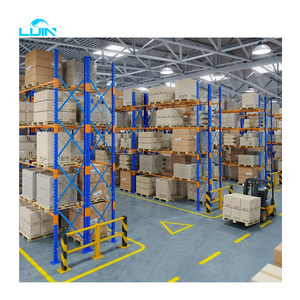
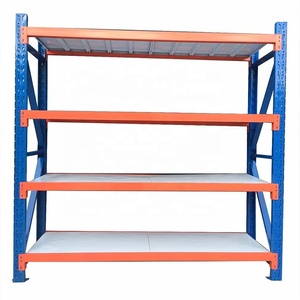
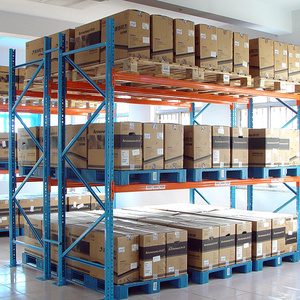
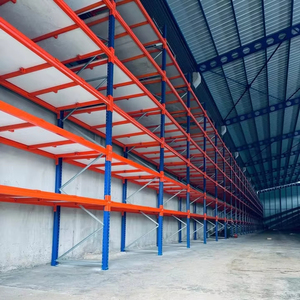
Global Sourcing Matrix: Top 10 Pallet Shelving Racks Manufacturers & Exporters
Navigating high-bay structural safety, steel grade certified yield strengths, and seismic code compliance across tier-1 racking exporters.
Industrial Sourcing Insight: Structural safety in pallet shelving rack procurement is deeply tied to steel metallurgy and certified engineering design codes. Sourcing top-tier equipment requires distinguishing between simple light roll-forming operators and certified structural manufacturers executing EN 15512 (European Specification), RMI ANSI MH16.1 (US Rack Code), and seismic dissipation standards such as Chile's NCh 2369 or Colombia's NSR-10.
| Manufacturer / Exporter Category | Primary Engineering Specialization | Metallurgical Standards & Yield Strength | Seismic / Cold Chain Optimization | Lead Time / Logistics Footprint |
|---|---|---|---|---|
| Tier-1 Asian Integrated Mills (e.g. HEDA Shelves) | Full-line Selective, Radio Shuttle, Cantilever & AS/RS High-Bay | Certified Q235B / Q355B (equivalent to SS400 / ASTM A36) | Seismic footings, FEA load calculation, hot-dip galvanization | 2–4 weeks factory cycle; optimized FCL container cube packaging |
| European Multinational Group Brands | Heavy automated logistics infrastructure & clad-rack buildings | EN 10025 certified structural steels (S235, S355 profiles) | Strict compliance with FEM 10.2.02 and EN 15512 regulations | 12–20 weeks fabrication; localized distribution networks |
| North American Heavy RMI Producers | Tear-drop welded selective racks, heavy roll-formed frames | ASTM A1011 high-strength structural grade steels | RMI MH16.1 compliant; baseplate-heavy designs for seismic zones | 8–14 weeks lead time; primarily domestic regional shipping |
| Regional South American Fabricators | Standard bolted selective frames and light industrial shelving | Locally sourced merchant bar and structural tubing | Engineered specifically to localized national codes (NCh, NSR) | Immediate regional delivery; higher raw material cost per metric ton |
Key Pallet Racking Procurement Trends (2025–2030)
1. High-Density Transition Over Floor Expansion
Industrial real estate appreciation and strict land development zoning across metropolitan hubs have made horizontal footprint expansion financially unviable. Sourcing teams are shifting capital from physical square footage to vertical cubic capacity. Demand is pivoting rapidly from standard 2.5-meter selective aisles to 12-meter Very Narrow Aisle (VNA) configurations and multi-tier mezzanine racks that double operational footprint within identical perimeter boundaries.
2. Cold-Chain Resilient Galvanization Standards
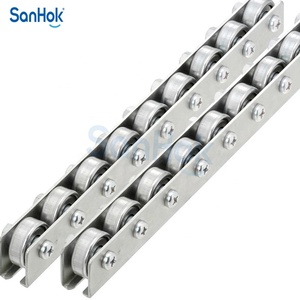
Driven by pharmaceutical cold chains, seafood, and fresh agri-food logistics across South America, cold storage procurement demands severe corrosion prevention. Standard electrostatic finishes risk micro-fissuring and condensation flaking under sub-zero thermal cycling (-25°C to -30°C). Global buyers now mandate ISO 1461 hot-dip galvanized components or high-durability zinc-alloy powder coatings on dynamic roller tracks and column bases to prevent structural fatigue.
3. Automated Sub-System Readiness
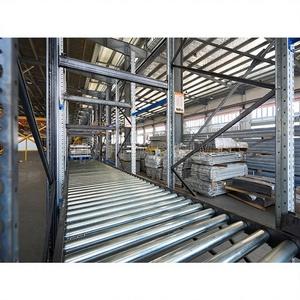
Modern procurement directors reject static, single-purpose racking structures that cannot adapt to future automation. Modern contracts require pallet racking uprights and horizontal beams to be engineered with standard deflection tolerances (1/200th span under max load) capable of integrating pallet runner channels, optical AGV reflectors, radio shuttles, or automated crane tracks without requiring total structural dismantling.
Technological Development Trends in Industrial Pallet Shelving
How advanced materials science, continuous telemetry, and digital twins are redefining structural warehouse performance.
IoT Integration & Gravity-Sensor Dynamic Telemetry
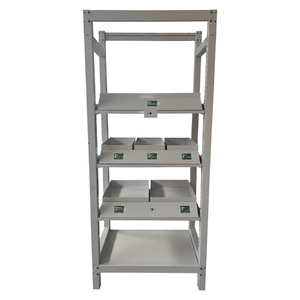
Traditional inventory management relies on bar-code scans during manual forklift movement. The new paradigm integrates intelligent weighing micro-sensors, continuous beam deflection telemetry, and gravity sensors directly into the beam clips and wire decks. Systems like our Smart Gravity Sensor Medical Consumable Management Rack dynamically update Enterprise Resource Planning (ERP) databases in milliseconds based on weight differentials, alerting operators immediately to structural overload risks.
Finite Element Seismic Dissipation Engineering
Racking collapses during seismic events represent catastrophic financial and life-safety liabilities. Leading manufacturers now model entire warehouse layouts through 3D non-linear dynamic Finite Element Analysis (FEA). By calibrating beam-to-column connector semi-rigidity, employing heavy ductile footplates, and utilizing specialized top and spine x-bracing, racking frames serve as controlled energy dissipation systems rather than rigid brittle structures.
High-Yield Cold-Forming with Lower Deadweight
Utilizing high-tensile micro-alloyed steel strip allows engineers to roll profiles with complex geometry (up to 12-bend multi-faceted upright columns). These advanced cold-formed geometries increase torsional rigidity and sectional moment of inertia while cutting overall steel tonnage. Buyers achieve identical rated pallet capacities (up to 4,000 kg/level) while cutting shipping freight, reducing floor slab loads, and reducing embodied carbon footprint.
Factory-Direct Engineering: The HEDA Shelves Competitive Advantage
Established in 2001, operating a 30,000 m² integrated production base with ISO 9001:2015 and CE EN 1090-compliant quality management.
25+ Years Continuous Innovation
Founded in 2001, HEDA Shelves has expanded to more than 300 experienced technical staff and structural engineers. We specialize exclusively in heavy-duty logistics storage, high-bay mezzanines, and dynamic racking, delivering over 10,000 facilities in 120+ countries without structural failure.
Massive 30,000 Ton Monthly Output
Our 30,000 m² workshop houses automated continuous profile roll-forming mills, high-precision CNC multi-station column punch presses, robotic laser cutting units, and dual automated electrostatic powder coating lines, ensuring rapid 2–4 week order turnarounds for container-scale jobs.
Free 3D Layout & Seismic Design
Our senior civil and mechanical engineers supply complimentary comprehensive warehouse layout CAD designs, 3D dynamic simulations, and structural load calculations customized directly to your local seismic ground acceleration values, building clearances, and MHE turning radiuses.
Complete Chemical Pre-Treatment
Prior to electrostatic thermosetting polyester powder application, all steel undergoes a rigorous 8-stage pre-treatment process: automated degreasing, acid pickling, rust removal, and dense zinc phosphating. This guarantees exceptional salt spray resistance in coastal and tropical export regions.
Full-Container Load (FCL) Stowing
Racking uprights and long beams can suffer transport distortion if improperly loaded. Our logistics logistics team models container cubing via specialized 3D software, employing reinforced steel strapping, foam padding, and moisture-barrier film to ensure zero transit damage across 45-day ocean transits.
End-to-End Installation Governance
Every international shipment features color-coded component tagging matched to CAD isometric layouts. We provide digital structural assembly manuals, remote video engineering guidance, and can dispatch multilingual commissioning engineers for large-scale multi-tier projects worldwide.
Frequently Asked Questions for Pallet Shelving Procurement
Answers to common structural engineering, import duty, and installation questions asked by logistics procurement officers.
How do you verify structural steel grades and thickness tolerances on overseas shipments? ▼
Can your pallet rack designs satisfy specific regional seismic standards (e.g., Chile, Peru, USA)? ▼
What is the standard production cycle for high-volume custom warehouse orders? ▼
How is corrosion prevented in high-humidity, coastal, or sub-zero facilities? ▼
What core parameters are required to receive an immediate engineering design and price quote? ▼
How do you handle remote on-site installation and assembly verification? ▼
Accelerate Your Facility's Cubic Storage Capacity
Partner with an integrated manufacturer capable of executing custom engineering, CE-certified structural fabrication, and global logistics with guaranteed container cube efficiency. Connect with our engineering department today.