Engineered Industrial Racking Systems for Demanding Supply Chains
Precision-formed structural steel storage units engineered to maximize warehouse volumetric density, streamline forklift operation cycle times, and guarantee structural integrity under extreme load ratings.
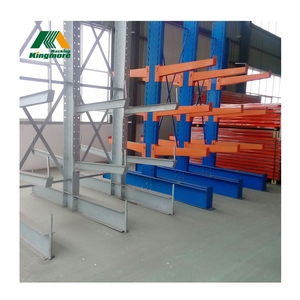
Cantilever & Heavy-Duty Timber Racking
Engineered for long, bulky profiles including timber, piping, plywood sheets, and structural extrusions. Multi-arm heavy-load configuration.
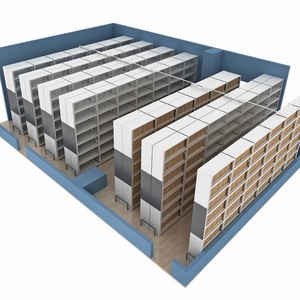
High-Density Steel Mobile Compactor System
High-density mechanized movable filing and parts storage. Consolidates multiple access aisles into a single moveable corridor to save up to 70% floor space.
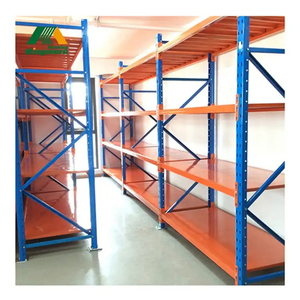
Selective Bolted Industrial Steel Pallet Racks
CE Certified structural framework. Fully bolted assemble uprights and box beams delivering ultra-rigid stability for multi-ton heavy pallet loads.
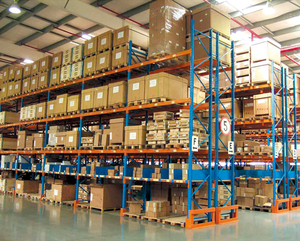
Adjustable Euro Pallet Selective Racking
Standard-compliant 50mm/75mm pitch adjustable beam levels. Engineered for standard Euro/ISO pallets with 100% immediate selectivity for dynamic fulfillment.
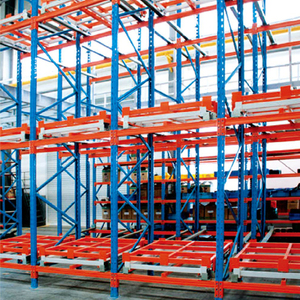
Custom Nested Cart Push Back Pallet Racks
2 to 5 pallet-deep high-density storage operating on a LIFO schedule. Eliminates specialized forklift entry while boosting overall storage footprint utilization.
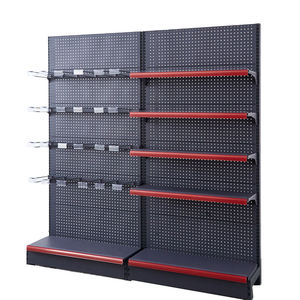
Light-Duty Modular Steel Wall Shelving
Epoxy powder-coated commercial wall storage with solid back panels. Rated 30-60kg per level for front-end retail stockrooms and picking stations.
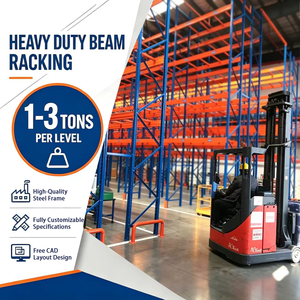
Heavy-Duty Structural Pallet Rack Assemblies
Tailor-engineered structural steel profiles suited for extreme load handling, harsh environmental thermal shifts, and high-turnover third-party logistics (3PL).
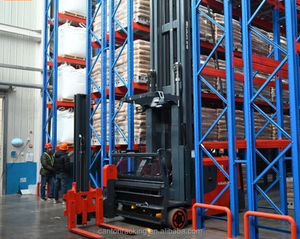
Very Narrow Aisle (VNA) High-Bay Racking
Aisle space reduced down to 1.6 meters to exploit full vertical headroom. Used in conjunction with wire-guided or mechanical rail-guided reach turret trucks.
Why Global Logistics Engineers Source Directly From HEDA Shelves
Direct mill-sourced cold-rolled coil, certified structural analysis, and an integrated 10-step fabrication matrix eliminate intermediary overheads and structural supply risks.
Free 3D Layout & Structural CAD Simulation
Our in-house design office transforms your architectural DWG files into comprehensive layout simulations. We verify forklift turning circles, load deflection limits (1/200 standard), and floor loading tolerances before raw steel cuts begin.
Seismic-Certified Engineering (EN 15512 & RMI)
Whether deploying in seismic active coastal rings (Chile, Peru, Japan) or standard industrial distribution hubs, each beam connector and footplate is custom computed to dynamic shear and moment resistance standards.
Optimized Ocean Freight Logistics & Packing
Exporting structural steel demands rigorous logistics planning. Every upright frame, beam bundle, and accessory is nested using computer algorithms to maximize 40ft High Cube container volumetric load factor while protecting powder finishes.
The 10-Stage Industrial Manufacturing Pipeline
From prime raw steel verification to robotic roll-forming and electrostatic pre-treatment, every phase occurs inside our 30,000 m² Guangzhou production facility.
Q235B / Q355B Steel Coil Sourcing
Direct sourcing from certified domestic mills. Chemical composition and yield stress tensile testing logged per master batch.
High-Speed CNC Slitting
Precision multi-blade shearing slices broad steel coils into millimeter-accurate strip widths for roll-forming feeds.
Continuous Automated Punching
Multi-ton pneumatic presses punch teardrop, butterfly, or diamond pitch holes with consistent pitch tolerances under ±0.1mm.
Precision Cold Roll Forming
Heavy-duty multi-roller stations progressively shape flat steel into stiffened upright channels and omega profiles.
Automated Seam Welding
Dual-C interlocking beam sections undergo continuous submerged or CO2 shielded robotic seam welding for total joint penetration.
Connector Lug Welding
High-strength multi-claw structural lugs are robotically welded to beam ends, guaranteeing zero thermal distortion.
Pickling & Phosphating
Multi-stage chemical degreasing, acid rust descaling, and zinc phosphating produce exceptional surface bonding chemistry.
Electrostatic Powder Coating
Automated powder application lines cure durable thermoset epoxy-polyester powder at 180°C–200°C to 60–80μm thickness.
Strategic Procurement Trends in Industrial Storage Racking
Supply chain infrastructure investments are shifting. How leading logistics directors, automated integrators, and port operators are recalibrating their steel storage capital allocations.
Automation-Ready Modular Framing
Modern distribution centers no longer purchase static single-use racking. The market demand has moved heavily toward dual-purpose structures capable of integrating Automated Guided Vehicles (AGVs), Autonomous Mobile Robots (AMRs), and radio shuttle cars without requiring frame reconstruction.
Procuring standardized upright columns with modular connector pitches ensures that future retrofits for conveyor tie-ins or shuttle track brackets require minimal warehouse downtime.
Total Landed Cost vs. Steel Tonnage Price
Savvy global procurement officers are evaluating supplier proposals based on Lifetime Volumetric Yield rather than simple raw steel price per metric ton. Thinner, poorly cold-formed profiles fail early under repeated forklift impacts, leading to structural failures and costly replacements.
Selecting optimized steel grades (such as high-tensile Q355B) allows for reduced structural weight with higher safe working limits, directly slashing container freight expenses by up to 18%.
Cold-Chain Volumetric Intensification
Refrigerated energy expenses represent up to 60% of cold storage operational costs across perishable export hubs. As a result, selective racking is rapidly being replaced by Drive-In, Push-Back, and 4D Radio Shuttle systems.
High-density dynamic configurations eliminate wasted aisle volumes, compressing cold storage utility consumption per pallet footprint by as much as 45% while maintaining rapid FIFO or LIFO inventory cycles.
Frequently Asked Questions on Heavy-Duty Racking Imports
Technical, logistical, and structural answers to simplify cross-border sourcing directly from Chinese manufacturing facilities.
What primary engineering data is required to generate an accurate warehouse 3D layout and quote?
To provide a zero-error structural proposal, our engineering team requires: (1) Warehouse CAD floor plan indicating clear ceiling heights, building column grids, and fire exit clear zones; (2) Detailed pallet profile (Width x Depth x Height, plus gross pallet weight); (3) Forklift model, minimum turning radius, and maximum lift mast height; (4) Required SKU rotation logic (FIFO vs. LIFO).
How do Chinese steel grades Q235B and Q355B compare to European and American structural standards?
Chinese Q235B is structurally equivalent to European EN 10025 S235JR and American ASTM A36, offering excellent ductility and reliable weldability for standard beam and upright designs. Chinese Q355B corresponds to European S355JR and American ASTM A572 Grade 50, featuring higher yield strength (355 MPa) recommended for high-bay uprights and seismic installations.
What surface finishing treatment is recommended for high-humidity or cold-chain installations?
For standard temperature-controlled warehouses, our 60–80μm electrostatic epoxy-polyester powder coating over acid phosphating provides durable scratch and corrosion resistance. For damp coastal facilities, cold-storage deep-freeze vaults (-30°C), or chemical containment facilities, we strongly recommend Hot-Dip Galvanizing (HDG) to EN ISO 1461 specifications.
How do you prevent shipping damage to long structural uprights and box beams during ocean transit?
All upright columns are nested in protective corrugated card wrappings and steel strapping on timber skids. Welded beam pairs are interlocked, corner-protected with industrial-grade plastic caps, and secured against lateral shifting. Small hardware (bolts, nuts, baseplates, shims, safety pins) are packed in reinforced, moisture-sealed export wooden crates.
Can HEDA Shelves accommodate custom color schemes and private-label OEM distributor branding?
Yes. As an OEM/ODM provider for international distributor networks, we formulate custom RAL powder coating colors (standard RAL 5005 Blue, RAL 2004 Orange, RAL 7035 Grey, or bespoke brand palettes). We also support embossed laser-cut upright branding, custom load-capacity warning plaques, and tailored multilingual packaging.
What guarantees ensure compliance with local seismic building codes in South America and the Pacific Rim?
Our engineering division designs according to European FEM 10.2.02 and EN 15512 codes as well as American RMI MH16.1 specifications. For active seismic regions (such as Chile, Peru, Colombia, California, and New Zealand), we integrate site-specific peak ground acceleration (PGA) metrics into our CAD simulations, sizing heavier footings and cross-bracing accordingly.
Transform Your Warehouse Storage Efficiency Today
Submit your architectural layout or pallet storage specifications. Our veteran structural racking engineers will return an optimized CAD drawing, 3D visualization, and comprehensive landed-cost manufacturing quotation within 24 hours.