Industrial-Grade Heavy Duty Warehouse Storage Solutions
Precision-formed structural steel racking and automated materials handling platforms manufactured directly in our 30,000 m² factory facility to fulfill global logistics and high-density warehouse storage demands.
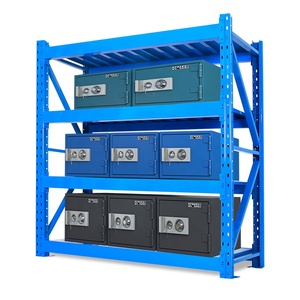
Cold-formed Q235B structural uprights with interlocking step beams for high-throughput palletized storage.
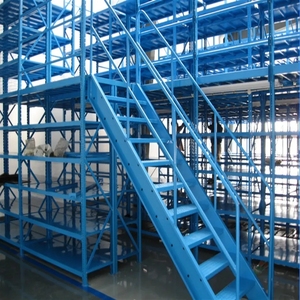
Doubles or triples vertical floor footprint with integrated staircase, safety railing, and picking platforms.
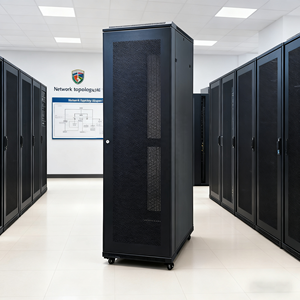
Heavy load-bearing server enclosure optimized for high-density computing clusters and thermal airflow.
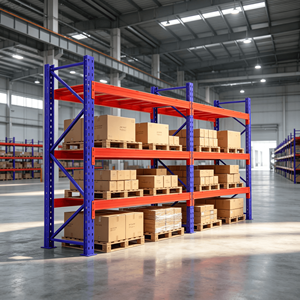
Electrostatic resin finish over pickling and phosphating steel. Supports all global standard pallet units.
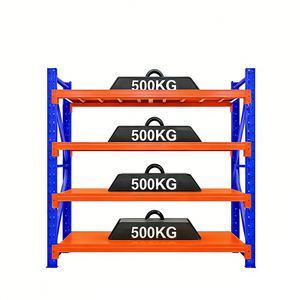
Flexible beam adjustment pitch with heavy-duty safety lock pins to prevent accidental dislodgement.
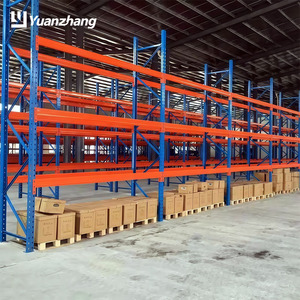
Hybrid shelf design pairing high beam capacities with steel or wire mesh decking for versatile cargo.
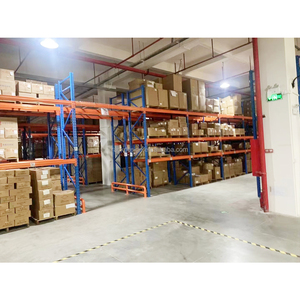
High vertical clearance frames engineered for automated cranes, reach trucks, and high-density towers.
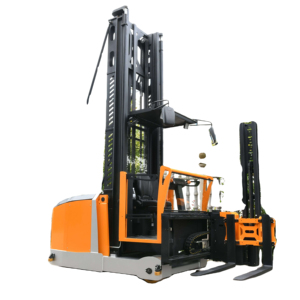
Complementary VNA handling equipment designed to operate within aisle clearances under 1700mm.
Why International Logistics Operators Trust HEDA Shelves
Operating as a premier direct manufacturing partner for warehouse equipment importers across the Americas, Europe, Middle East, and Southeast Asia since 2001.
Fully Integrated In-House Production
Our 30,000 square meter factory runs comprehensive 10-stage fabrication routines: automated coil slitting, precision CNC beam punching, computerized roll forming, robotic welding, continuous phosphating, and automated electrostatic powder coating.
Engineering Expertise & Seismic Design
Over 300 experienced professionals provide tailored structural layouts calculated against national seismic standards (such as NCh 433 in Chile, E.030 in Peru, NSR-10 in Colombia, and Eurocode EN 15512), preventing catastrophic rack deflection.
Verified International Compliance
Certified strictly under CE (Certificate No. 2435-CPR-8605159) and ISO 9001:2015 standards. Every production batch is verified via rigorous tensile testing, load deflection calculations, and impact stress validation.
Optimized FCL Container Packing
Export logistics require extreme structural bundling efficiency. We design component stacking geometry to max-out container cubic meters (CBM) while avoiding sea transit abrasion, lowering landed shipping costs by up to 18%.
End-to-End OEM & ODM Supply
Dedicated production programs for racking distributors, integration partners, and regional contractors. We customize hole-pitch profiles, customized punch patterns, corporate color palettes, and private labeling.
Free 3D Architectural CAD Modeling
Eliminate project guesswork before capital outlay. Send your warehouse blueprint to receive custom 3D isometric renderings, structural beam deflection models, and maximum pallet utilization estimates within 24 hours.
The Evolution of Heavy-Duty Warehouse Racking Architecture
A technical guide for industrial supply chain directors, logistics project managers, and procurement professionals evaluating next-generation warehouse racking investments.
1. Structural Engineering Realities: Q235B vs. High-Yield Q355B Steel
Modern industrial rack systems must withstand high cyclic dynamic stress, forklift impact loads, and substantial vertical deadweights. Traditional medium-duty shelving utilizes basic cold-rolled coils, whereas true heavy-duty systems rely on certified structural Q235B and high-yield Q355B micro-alloyed carbon steel. The difference manifests under full pallet load: inferior steel demonstrates microscopic beam sag, leading to connector metal fatigue and structural lock failures over time.
Our upright columns feature cold-formed omega (Ω) cross-sectional profiles engineered with multiple stiffening ribs along the axial load vectors. This geometry yields higher load-to-weight ratios, ensuring exceptional structural rigidity under maximum design capacities up to 4,500 kg per beam level.
| Steel Classification | Yield Strength (MPa) | Tensile Strength (MPa) | Primary Industrial Use Case |
|---|---|---|---|
| Commercial Mild Steel | 195 – 215 | 315 – 430 | Light manual picking shelving, retail display racking |
| Structural Grade Q235B | ≥ 235 | 370 – 500 | Standard heavy-duty selective pallet racking, mezzanine floors |
| High-Tensile Q355B | ≥ 355 | 470 – 630 | High-bay AS/RS systems, extreme seismic zone installations, VNA |
2. Future Procurement Trends: Dynamic Automation & Space Multipliers
Rising commercial industrial land valuations are compelling warehouse operators to pivot from conventional low-density selective racking toward high-density automated racking ecosystems. Key procurement shifts include:
- Radio Shuttle & AS/RS Transition: Rather than allocating 60% of floor space to forklift operating aisles, high-density Radio Shuttle racking condenses storage into continuous multi-deep lanes. Shuttles transport pallets autonomously, drastically lowering forklift operational hours, fuel costs, and structural impact risks.
- Vertical Mezzanine Platforms: Logistics hubs constrained by municipal height limitations are utilizing multi-tier rack-supported mezzanines to build enclosed mezzanine pick-modules, effectively doubling or tripling functional square footage without expanding the building foundation.
- Cold-Chain Specific Galvanization: With rapid expansion in refrigerated pharmaceutical and perishable agricultural logistics, standard powder coating is frequently augmented by pre-galvanized or hot-dip galvanized finishes that prevent oxidation in sub-zero, high-condensation environments down to -30°C.
3. Total Cost of Ownership (TCO) vs. Initial Capital Outlay
Procuring warehouse racking based solely on bottom-line FOB pricing often results in inflated lifetime maintenance expenses. Substandard surface treatments (omitting proper acid pickling and alkaline rust-stripping stages) lead to premature coating flaking, corrosion, and costly downtime for remediation. Furthermore, improper pallet frame tolerance tolerances cause forklift mast collisions during daily retrieval operations.
Partnering directly with an established engineering manufacturer ensures your upright frames, tear-drop or diamond connectors, safety pins, floor anchors, and row spacers match your exact material handling equipment (MHE) turning radius and pallet profile tolerances.
Frequently Asked Questions on Heavy-Duty Racking Procurement
Actionable guidance addressing seismic design requirements, international logistics, installation procedures, and custom engineering options.
Q: What data is required to generate an accurate warehouse racking quote?
We require the clear internal ceiling height of your building, building structural drawings (noting column grids and overhead obstacles), pallet dimensions (Width × Depth × Height including cargo overhang), gross weight per pallet, forklift model specifications (mast reach, turning radius), and preferred inventory rotation strategy (FIFO or LIFO).
Q: Can your structural engineers account for regional seismic zones?
Yes. Our in-house engineering team calculates seismic dynamic stress factors against target location parameters (such as the Pacific Rim seismic belt in Chile, Peru, Colombia, and the western United States). We adjust baseplate dimensions, anchor bolt diameters, column gauges, and horizontal/diagonal cross bracing systems to guarantee compliance with regional building safety regulations.
Q: What is the factory production lead time for full container orders?
Standard heavy-duty selective pallet racking orders typically require 15 to 25 calendar days for production following architectural drawing sign-off. Highly customized systems—such as multi-tier rack-supported mezzanines, automated radio shuttle lanes, or structural steel platforms—are manufactured within 25 to 35 days, with phased batch shipments available for multi-building developments.
Q: How is overseas cargo packing handled to prevent shipping damage?
Components are pre-bundled using high-tensile steel strapping and wrapped in protective multi-layer waterproof film. Uprights and beams are segregated on customized timber or steel dunnage blocks to prevent surface abrasion. Heavy accessories and hardware are crated in seaworthy plywood boxes to ensure pristine condition upon arrival at your receiving dock.
Q: How do you facilitate installation across remote international sites?
Every shipment is accompanied by complete CAD assembly schematics, numbered component lists, and comprehensive video installation manuals. For large distribution centers, our engineering department provides live remote tele-supervision or dispatches experienced installation supervisors directly to the client's jobsite to oversee local mechanical installation teams.
Q: What corrosion protection options are available for humid or cold facilities?
Our standard treatment includes automated continuous degreasing, acid pickling, phosphating, and electrostatic resin powder coating cured at 200°C. For extreme humidity, coastal dock environments, or walk-in blast freezers, we provide pre-galvanized roll-formed profiles or complete hot-dip galvanization with heavy zinc coatings engineered to resist rust for decades.