High-Performance Storage Racking Systems for Serbian Industrial Parks
From Class-A 3PL hubs along the E75 motorway to specialized nearshoring manufacturing facilities in Vojvodina, explore our precision-rolled, heavy-load industrial racking portfolio built for maximum volumetric efficiency.
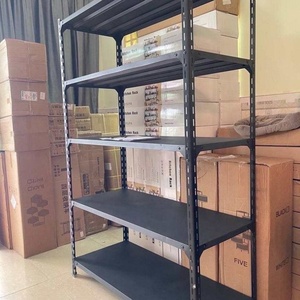
Slotted 5-Level Angle Steel Rivet Rack Unit
Boltless precision-formed shelving with adjustable tier levels. Built with Q235 cold-rolled steel, tailored for automotive spare parts rooms, hardware e-commerce fulfillment, and manual workshop picking centers.
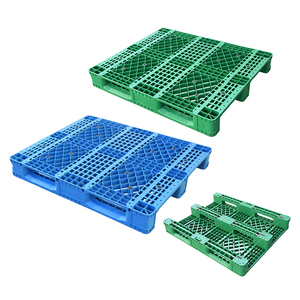
Multilevel Heavy-Duty Euro-Pallet Racking System
Engineered specifically for standardized EPAL 1 (800×1200 mm) and EPAL 2 (1200×1000 mm) 4-way entry pallets. Features interlocking box beams and high-yield uprights compliant with EN 15512 safety parameters.
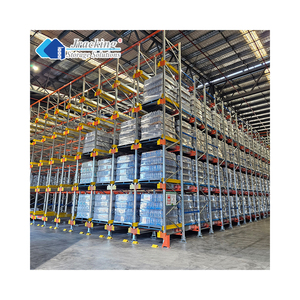
Industrial Radio Shuttle Automated Racking System
Semi-automated deep-channel storage utilizing smart radio-controlled shuttle carts. Eliminates forklift entry into storage bays, drastically speeding cycle times while maximizing floor space utilization up to 85%.
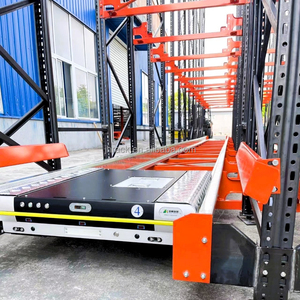
Automated FIFO Channel Shuttle Racking System
Configured for strict First-In-First-Out rotation across Serbian temperature-controlled cold storage, dairy processing, and fresh fruit export warehouses. High-tensile galvanized running tracks ensure continuous uptime.
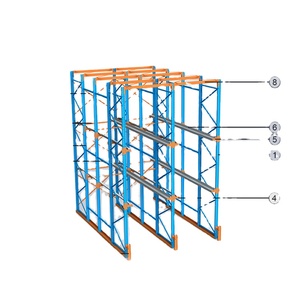
Heavy-Duty Drive-In / Drive-Through Racking System
Continuous racking lanes with minimal operating aisles. Best suited for homogenous FMCG products, bulk beverages, and raw agricultural commodity staging where warehouse volume must be pushed to its theoretical limit.
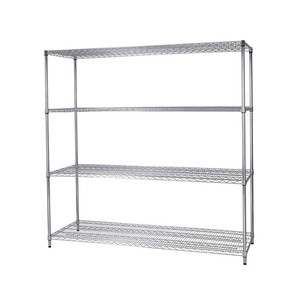
Commercial Chrome/Zinc Wire Mesh Shelving Unit
Open wire construction ensuring air circulation, minimum dust accumulation, and 100% sprinkler light penetration. Popular for pharmaceutical cleanrooms, modern retail backrooms, and healthcare storage across Belgrade clinics.
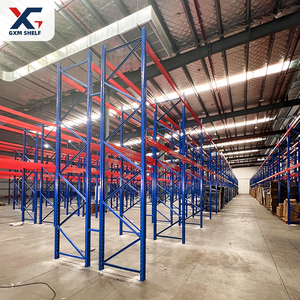
Heavy Industrial Selective Pallet Racking (SPR)
The backbone of 3PL logistics hubs throughout Serbia. Offers unhindered direct access to every SKU, compatible with reach trucks, counterbalance forklifts, and VNA equipment. Available with wire decking and seismic footplates.
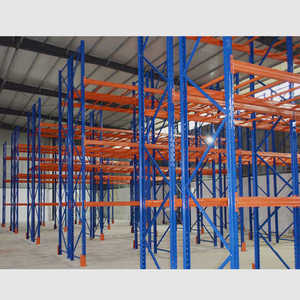
High-Density Double-Deep Heavy Pallet Rack
Stores pallets two deep on each side of the aisle, halving operating corridor requirements compared to standard selective setups. Operates seamlessly with pantograph reach trucks to boost overall bay density by up to 30%.
The Serbian Logistics Boom: Infrastructure, Nearshoring & Engineering Standards
A comprehensive engineering review of why Serbia is rapidly emerging as Southeastern Europe's premier distribution epicenter, and how modern racking infrastructure must adapt to local architectural and tectonic realities.
1. Nearshoring Waves & Industrial Cluster Expansion in Serbia
The Republic of Serbia is currently experiencing an unprecedented industrial paradigm shift. Driven by European supply chain recalibration, global manufacturers in automotive components, electronics, electrical machinery, and precision engineering are establishing high-throughput production plants throughout the Belgrade Metropolitan Area, Novi Sad, Inđija, Subotica, Kragujevac, Pančevo, and Niš. Consequently, modern Class-A logistics facilities require engineered intralogistics structures capable of handling high dynamic pallet cycles while conforming to strict Western Balkan and European safety norms.
Modern Serbian logistics operations cannot afford structural compromise: warehouse floor plates must balance maximum vertical clear height (often 10m to 14.5m) with high payload safety margins and seismic absorption capabilities.
As international corporations build fulfillment centers along the Pan-European Corridor X (linking Salzburg and Budapest to Thessaloniki and Sofia), storage systems must seamlessly integrate European standardized pallet dimensions—principally EPAL 1 (800×1200 mm) and EPAL 2 (1200×1000 mm). Rack upright profiles, frame depth spacing, beam profile selection, and aisle clearances must be precision-calculated down to the millimeter to prevent equipment impacts and optimize narrow-aisle forklift turning radii.
2. The Serbia–China Free Trade Agreement (FTA) Advantage
A transformative factor for Serbian industrial procurement is the historic Serbia–China Free Trade Agreement (FTA), which entered into force in mid-2024. Under this strategic economic framework, customs tariffs on high-grade industrial storage equipment, cold-formed structural steel sections, and warehouse automation components produced in certified Chinese facilities are being progressively phased down to 0% import duties.
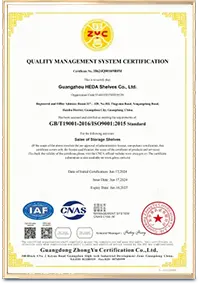
For warehouse developers, logistics contractors, and domestic 3PL operators in Serbia, sourcing directly from an ISO 9001 and CE-certified manufacturer like HEDA Shelves delivers dual benefits: Tier-1 European engineering quality verification coupled with unprecedented landed cost efficiencies compared to domestic or Western European fabricators who face escalating raw material and energy surcharges.
3. Structural Design Requirements: Seismic Parameters & Eurocode Compliance
A frequent blind spot for international importers is the failure to calculate localized seismic accelerations. Serbia is characterized by moderate seismic hazard zones governed by SRPS EN 1998-1 (Eurocode 8), particularly in Central Serbia (Kragujevac, Valjevo, Kopaonik fault lines) with Peak Ground Acceleration (PGA) values ranging from 0.10g to 0.20g, whereas the Pannonian basin of Vojvodina presents softer alluvial soil profiles demanding specialized floor slab anchoring.
All warehouse racking engineered by HEDA Shelves for the Serbian market undergoes rigorous finite element structural analysis (FEA) compliant with EN 15512:2020 (Steel static storage systems – Adjustable pallet racking systems – Principles for structural design). Upright base plates, ground anchor bolts (Hilti / Fischer chemical or mechanical anchors), spine cross-bracing, and beam-to-column connector locks are explicitly dimensioned against second-order p-delta effects and dynamic horizontal pallet surge forces.
Tailored Racking Scenarios for Serbia's Core Economic Verticals
From deep-freeze berry export depots in Western Serbia to fast-moving automotive supplier plants in Niš, our systems are engineered for specialized functional workflows.
Automotive & Industrial Component Nearshoring
Serbia is an established automotive component powerhouse (cables, tires, chassis parts, powertrain sensors) serving German, Austrian, and Italian OEM assembly lines. High SKU diversity and Kanban cycles demand precision.
- Longspan boltless shelving for small part trays
- Selective heavy pallet racking with chipboard or wire decking
- Multi-tier mezzanine platforms to double packing space
- Cantilever racking for metal tubes, coils, and extruded rubber
Agricultural & Frozen Berry Cold Chain Facilities
As one of the world's leading exporters of frozen raspberries, blackberries, and orchard fruits, Serbia requires ultra-efficient refrigerated warehouses operating continuously at -18°C to -25°C in Čačak, Arilje, and Subotica.
- Semi-automated Radio Shuttle racks minimizing energy loss
- Galvanized drive-in racking resistant to condensation rust
- FIFO pallet flow gravity lanes for batch harvest integrity
- High-bay structural layouts maximizing refrigerated cubic meters
Corridor X Fast-Moving FMCG & E-Commerce 3PL Hubs
Strategic logistics parks clustered around Belgrade ring road (Dobanovci, Šimanovci, Batajnica, Stara Pazova) handle millions of cross-border shipments daily across the Western Balkans.
- Very Narrow Aisle (VNA) racking maximizing height up to 15m
- Double-Deep racking configurations reducing aisle waste
- Integrated carton live flow lanes for rapid picking operations
- Heavy-duty column impact guards and safety mesh backing
Structural Racking System Engineering Parameters
Direct comparison of key mechanical properties, density ratings, and operational parameters for warehouse decision-makers.
| Racking Architecture | Space Utilization | Pallet Accessibility | Rotation Principle | Standard Load / Tier | Recommended Serbian Industry |
|---|---|---|---|---|---|
| Selective Pallet Racking | 40% – 50% | 100% Direct Access | FIFO / LIFO | 1,000 – 4,500 kg | General 3PL, Retail Distribution, Belgrade Fast Logistics |
| Radio Shuttle System | 75% – 85% | Channel Selective | FIFO or LIFO | 500 – 1,500 kg/cart | Cold Storage, Agricultural Exporters, Beverage Bottlers |
| Drive-In Racking | 65% – 75% | Low (Lane-based) | Strictly LIFO | 1,000 – 2,000 kg | Seasonal Produce, Packaging Raw Material, Bulk Dry Goods |
| Double-Deep Pallet Rack | 55% – 65% | 50% Immediate Access | FILO | 1,000 – 3,200 kg | Automotive Tier-1 & Tier-2 Warehouses, Electrical Assembly |
| Multi-Tier Mezzanine | Up to 200% Floor Gain | 100% Manual Access | Any | 300 – 1,000 kg/m² | E-commerce Picking, Textile Distribution, Auto Spare Parts |
| Heavy Cantilever Racks | Continuous Length | 100% Direct Frontal | Free Selection | Up to 3,500 kg/Arm | Steel Service Centers, PVC Pipes, Wood & Construction Panels |
Macro Trends Transforming Serbian Warehouse Infrastructure
Key developments that storage engineers and logistics facility investors must plan for over the 2025–2030 cycle.
Belgrade–Budapest Fast Railway & Intermodal Freight
The modernization of the railway line connecting Belgrade to Budapest and the Port of Piraeus is accelerating the establishment of intermodal container terminals in Northern Serbia, demanding rapid-transfer automated shuttle racking architectures.
Escalating Land Values in Key Metropolitan Zones
Industrial ground lease prices in Stara Pazova, Dobanovci, and Kragujevac continue to rise. Facility developers are designing taller 14m+ high-bay warehouses, shifting demand toward narrow-aisle (VNA) and automated crane/shuttle structures.
Sustainable Cold Chain Subsidies
With Serbian state incentives supporting agro-processing modernization, refrigerated warehouses are upgrading from energy-wasteful floor stacking to ultra-dense radio shuttle and motorized mobile pallet systems that slash per-pallet refrigeration cost.
Full Adoption of EN 15635 Racking Inspection Rules
Serbian health, safety, and insurance authorities increasingly enforce annual structural inspections conforming to EN 15635. Racks must incorporate factory-certified load capacity plaques, beam locking pins, and certified upright corner protectors.
Guangzhou HEDA Shelves: 25+ Years of Racking Manufacturing Excellence
Partner directly with one of Asia's most advanced storage equipment production facilities, delivering full-container loads safely to Serbian destinations via Rijeka, Bar, and Danube waterways.
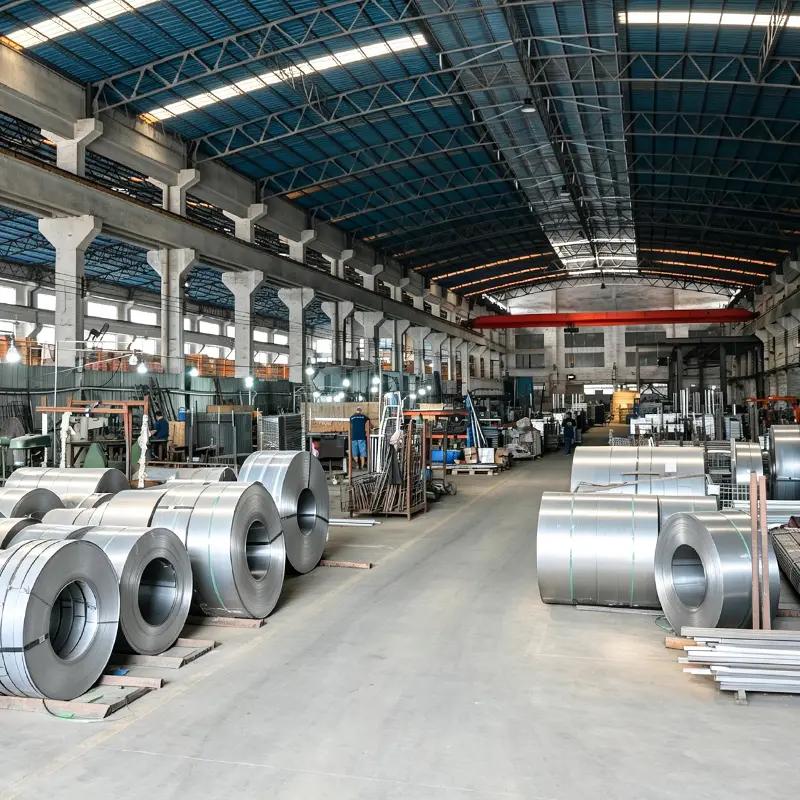
Founded in 2001 (25+ Years)
Quarter-century of dedicated research, structural simulation, and high-volume roll-forming production. Over 10,000 large-scale projects delivered across 120+ countries worldwide.
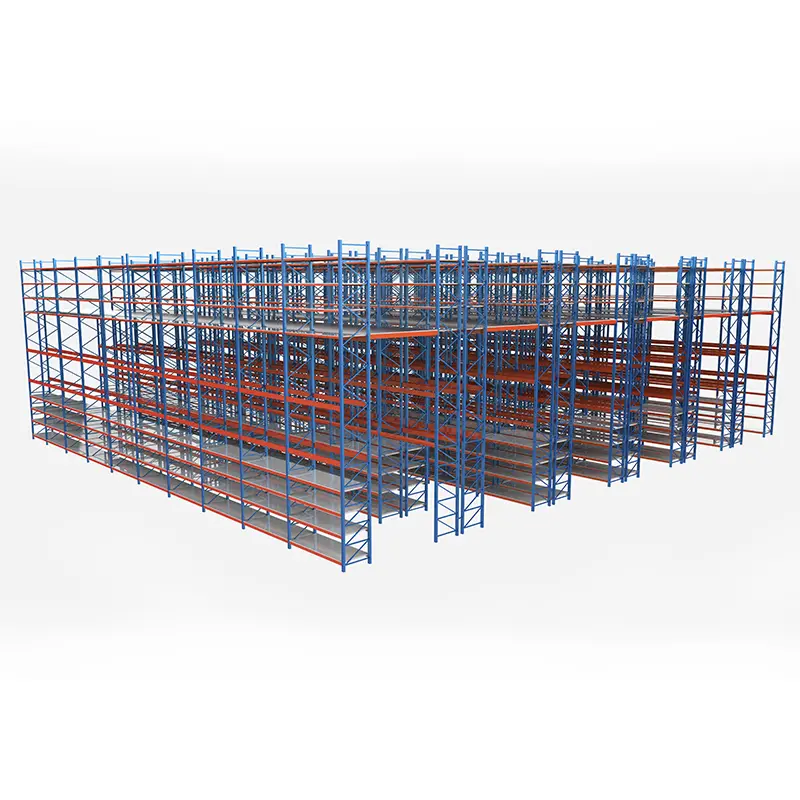
Free 3D & CAD Layout Design
Our in-house structural engineering department provides free professional CAD architectural layouts, 3D photorealistic renderings, and FEA load stress calculations within 24 to 48 hours.
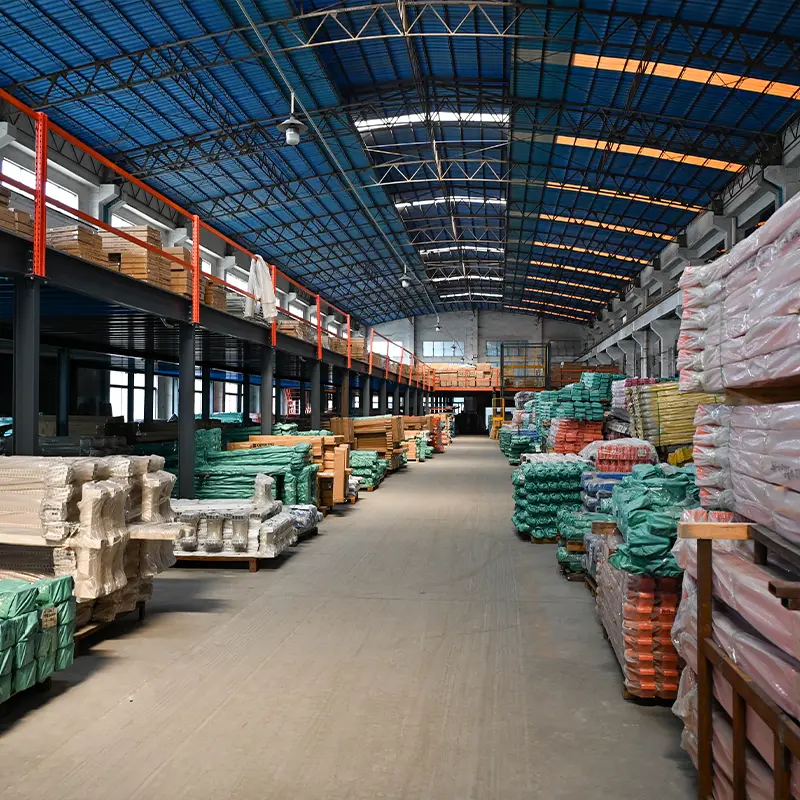
30,000m² Plant · 30,000t Capacity
Advanced multi-station continuous roll-forming lines, automated CNC punching, robotic welding cells, and eco-friendly Swiss Gema electrostatic powder coating lines running non-stop.
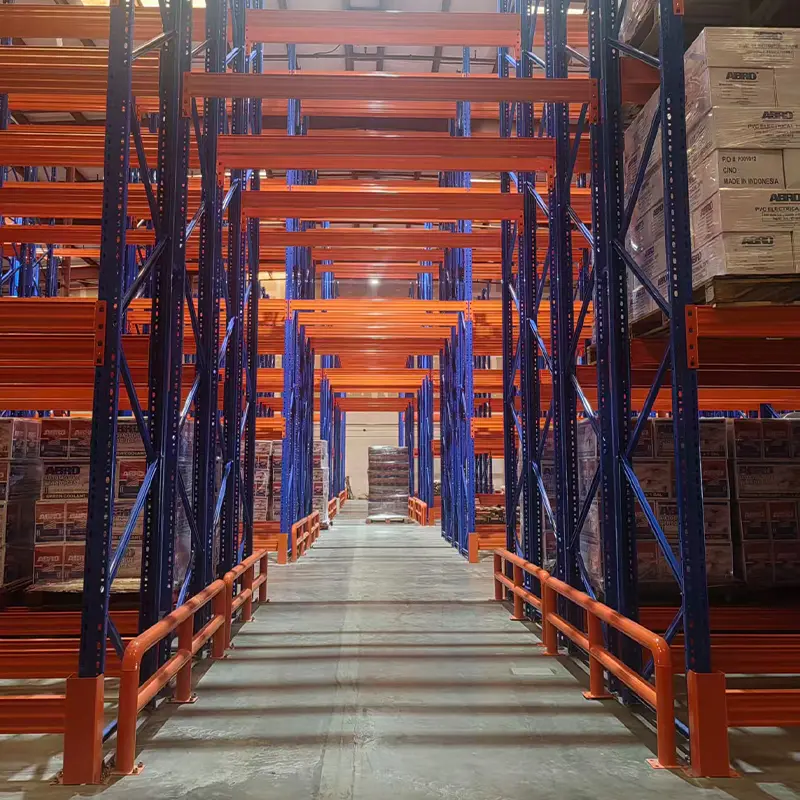
Tailored Export Packaging
Components are precision-bundled with heavy-gauge protective strapping, bubble-wrap buffers, and moisture-barrier film to survive maritime shipment and container de-vanning without surface scratch.
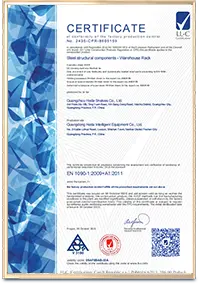
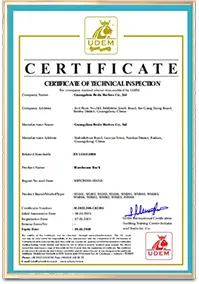
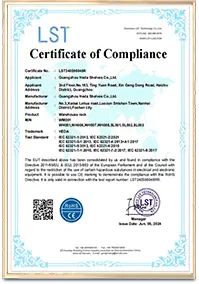
Independent International Certifications
We supply full compliance documentation required by Serbian municipal inspectors, international insurance underwriters, and industrial auditors.
Serbia Warehouse Racking Procurement: Frequently Asked Questions
Clear, direct engineering and commercial answers addressing common logistical, legal, and operational inquiries from Serbian procurement directors.
How do shipments from China reach our warehouse in Serbia?
Shipments depart from South China ports (Guangzhou/Shenzhen/Ningbo) via container shipping lines. Containers typically transit through the Port of Rijeka (Croatia), Port of Bar (Montenegro), or Port of Piraeus (Greece), followed by bonded direct block-train rail or specialized flatbed road freight directly to Belgrade, Novi Sad, Niš, or your local Free Customs Zone. Transit times typically range from 28 to 38 ocean days.
Can we utilize the China–Serbia Free Trade Agreement (FTA) for preferential duties?
Yes. As a registered and verified Chinese exporter, HEDA Shelves issues official Certificates of Origin under the China–Serbia FTA. Eligible steel storage structures and shelving equipment imported into Serbia qualify for zero or progressively phased-down customs tariffs, significantly reducing total landed costs compared to European distributors.
How do you calculate structural safety for seismic zones in Serbia?
We calibrate our structural static calculations according to EN 15512 and the specific seismic zone requirements of SRPS EN 1998-1 (Eurocode 8) based on your site's exact postal district. For earthquake-sensitive regions such as Central Serbia, we increase the gauge of upright steel, supply oversized heavy-duty anchor footplates, and engineer reinforced double-diagonal portal ties across high-bay aisles.
Do your pallet racks suit standard European EPAL wooden pallets?
Yes. Over 90% of our European exports are configured explicitly for EPAL 1 (800×1200×144 mm) and EPAL 2 (1200×1000×162 mm) pallets. Standard frame depths are fabricated at 1100 mm (providing the mandatory 50 mm front and rear safety overhangs for EPAL 1), with standard beam clear spans of 2700 mm (3 pallets) or 3600 mm (4 pallets) paired with mechanical safety drop pins.
How is installation handled on site in Serbia?
Every shipment comes complete with precise, color-coded CAD erection drawings, component mark lists, and installation manuals in English. Serbian clients frequently utilize local mechanical millwright contractors under our direct remote video guidance. For complex automated radio shuttle setups or multi-level mezzanines exceeding 2,000 m², HEDA can dispatch bilingual site commissioning supervisors to coordinate with your project team.
What warehouse information is needed to receive a free 3D CAD layout?
Simply provide our engineering team with: (1) Architectural floor plan showing column locations, emergency exits, and clear height under roof girders; (2) Pallet dimensions including overall cargo height and maximum gross weight; (3) Mast type, minimum aisle turning width (Ast), and maximum reach of your forklift fleet; (4) Desired rotation method (FIFO or LIFO); (5) Warehouse ambient temperature condition.
Request Your Custom Warehouse Layout & Landed Quote for Serbia
Take advantage of direct factory pricing, 0% FTA tariff documentation, and complimentary 3D/CAD engineering support. Send your warehouse floor plan today and receive a detailed layout proposal within 24 hours.