Q: What is the primary operational difference between gravity roller racks and push-back racking?
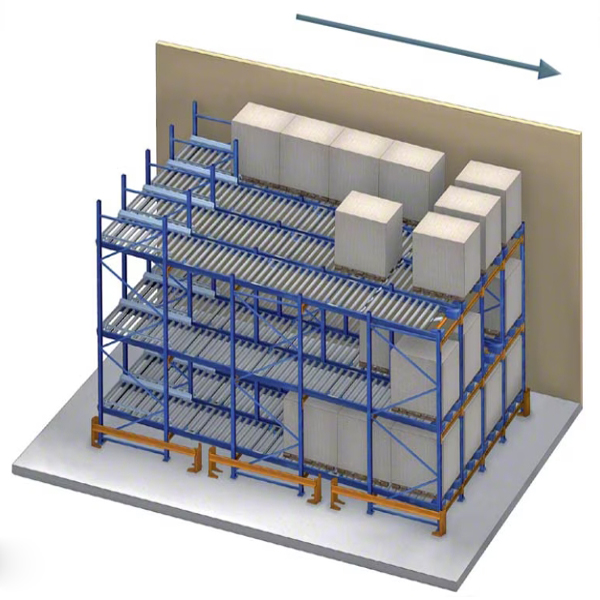
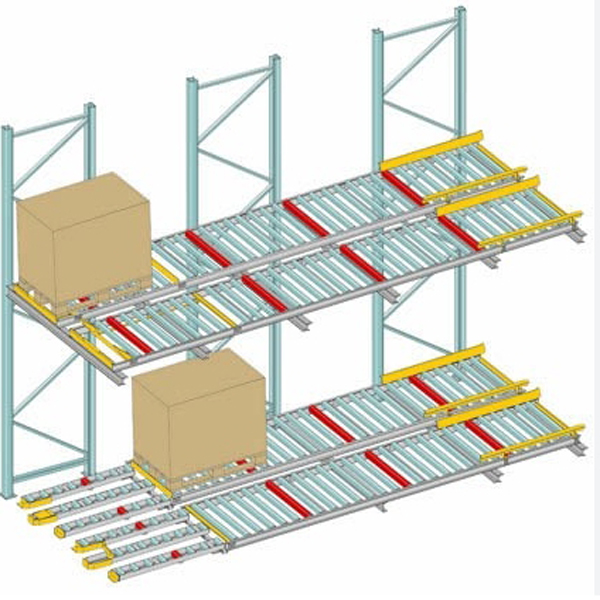
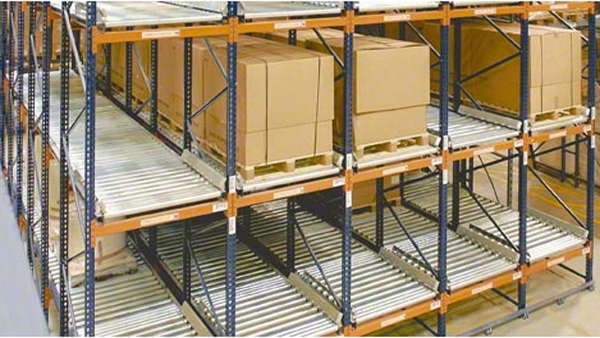
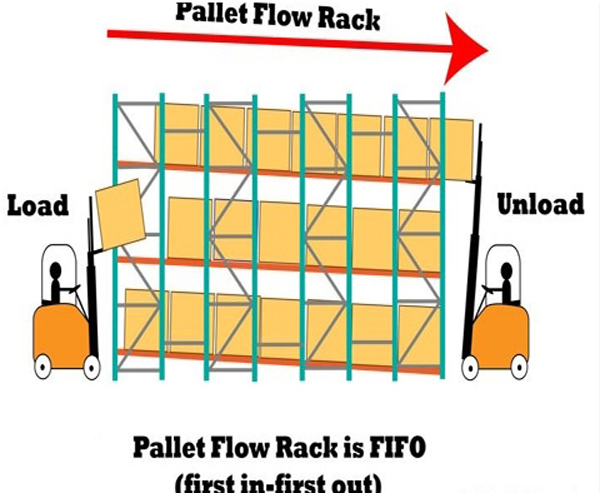
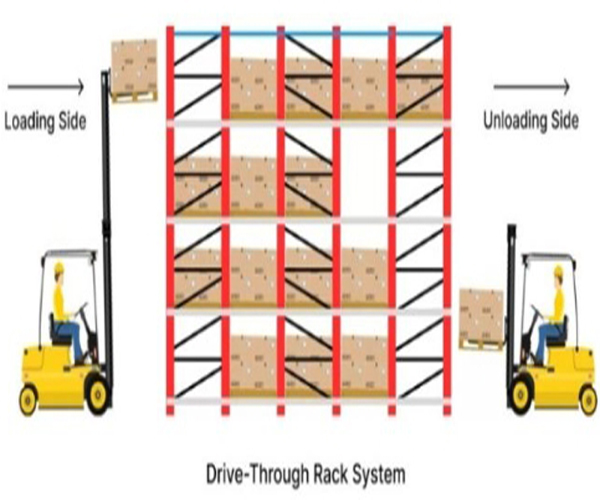
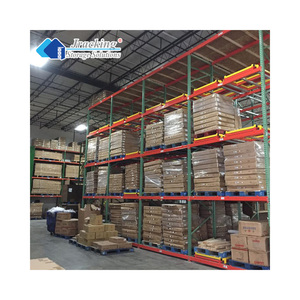
Gravity roller racks use a FIFO (First-In, First-Out) flow where items are loaded from one side and slide to the picking side via sloped rollers. Push-back racking systems operate on a LIFO (Last-In, First-Out) inventory principle where pallets are loaded and retrieved from the same aisle.
Q: Can the conveyor system be customized for specific warehouse layouts?
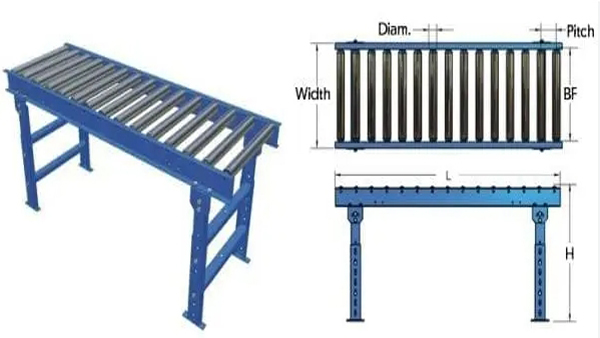
Yes, system dimensions, load capacities, line angles (both straight line and 90-degree turns), and overall track lengths can be custom-engineered to match your facility requirements.
Q: Can this system integrate with automated warehouse operations?
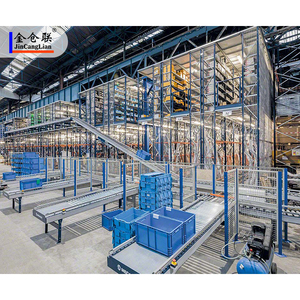
Yes, the systems are designed for compatibility with gravity pallet setups, automated storage systems, and vertical elevator operations, available with or without integrated motors.
Q: What weight capacities can the heavy-duty roller racking handle?
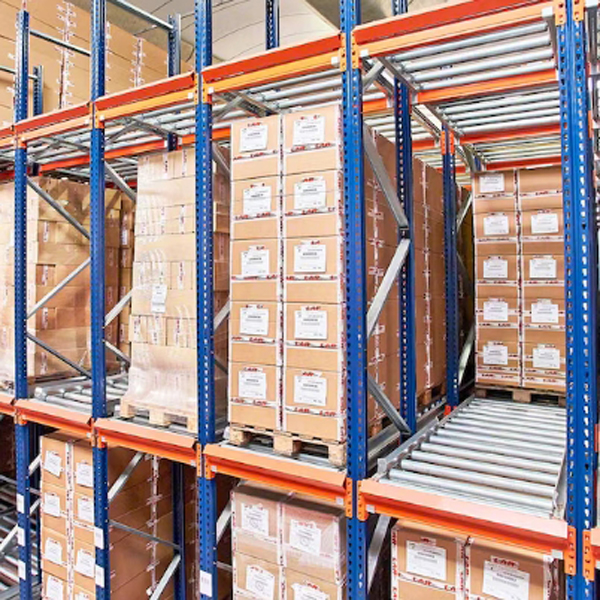
The racking structure is manufactured with heavy-duty metal components engineered to handle customized high-tonnage pallet requirements based on your structural and application needs.
Q: Are powered drive options available for these roller systems?
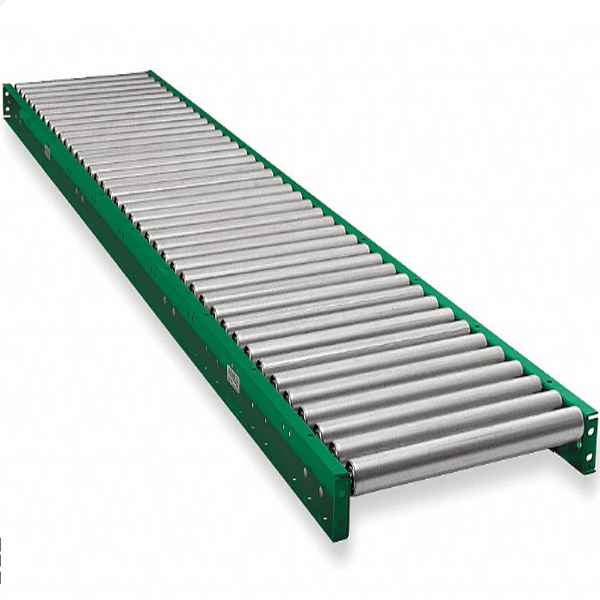
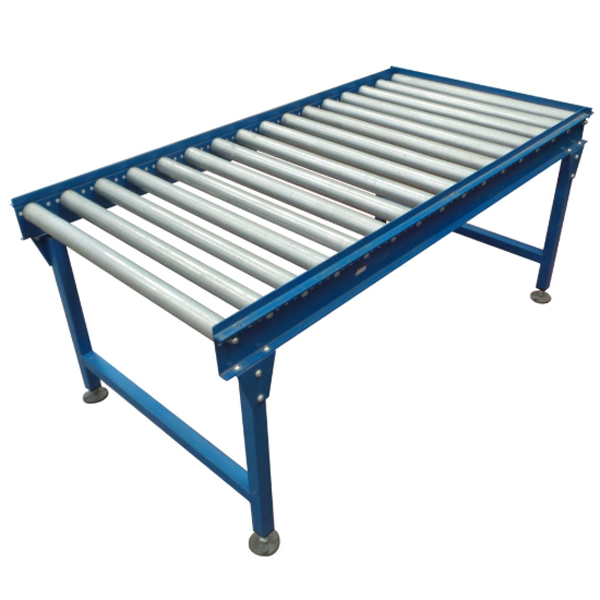
Yes, systems can be delivered either unpowered for gravity-assisted movement or equipped with electric motors for controlled, motorized conveyance.
Q: What types of industries benefit most from this racking setup?
This system is widely used in heavy industrial storage, food and beverage processing, cold storage warehouses, logistics distribution centers, and high-density material handling operations.