Engineered Heavy-Duty Industrial Racking & Storage Collections
Standardized modular components and certified cold-rolled structural steel manufactured to handle extreme static, dynamic, and seismic loads across worldwide logistics hubs.
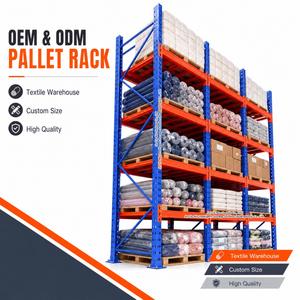
4-level Heavy Duty Rack Warehouse Storage Rack Heavy Duty Pallet Shelving Factory Supply Wholesale Garment Fabric Manufacturer
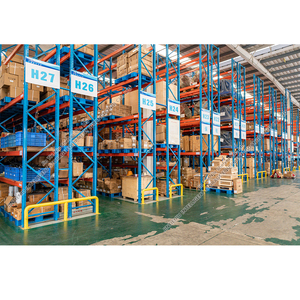
Heavy Duty Corrosion Protected Racking System Beam Structure Industrial Warehouse Rack Steel Panels Carton Parts Picking 1000KG
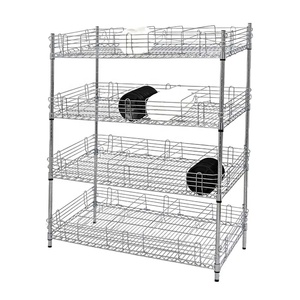
Customized Anti-Static 4 Tiers Chrome Wire Shelves Industrial Warehouse Storage Shelving Steel Rack with Shelf Ledge
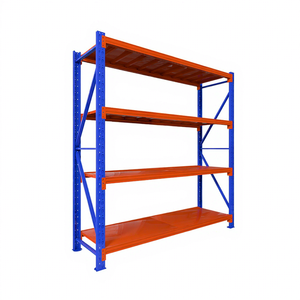
Racking Adjustable Metal Boltless Shelf and Racks Warehouse Storage Medium Duty Metal Rack Shelf
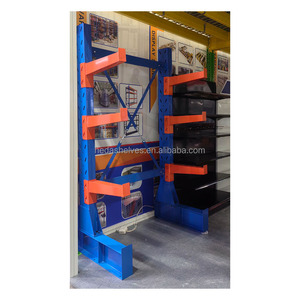
Wholesale Heda Heavy Duty Cantilever Storage Racks Cantilever Racking Systems Solution Selective Racking System
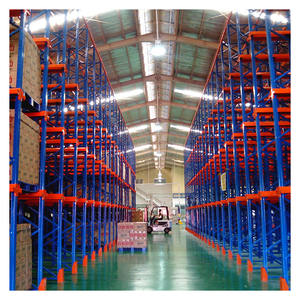
China Professional Industrial Racking Manufacturer Custom Cheap Drive in Pallet Rack System
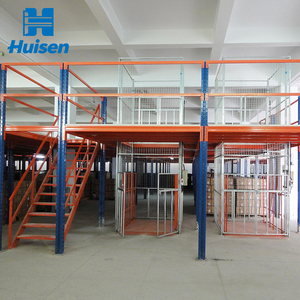
Industrial Warehouse Attic Lofts Heavy-Duty Steel Storage Racks Mezzanine Floor Platforms Pallet Racking Systems
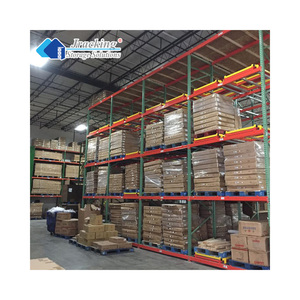
Jracking Warehouse Storage Heavy Duty Pallet Rack System Industrial Storage Rack Push Back Steel Rack
Why Global Supply Chains Trust Guangzhou Heda Shelves
Direct factory control over high-grade steel sourcing, continuous robotic profile forming, international certifications, and customized structural engineering without intermediaries.
CE & ISO 9001:2015 Certified
Fully compliant with European CE standard EN 15512 (Certificate No. 2435-CPR-8605159) and ISO 9001:2015 management protocols. Full traceability from steel heat batch to final packaging.
Free 3D Layout & Seismic FEA
Dedicated CAD and structural engineering teams provide turnkey warehouse layout calculations within 24 hours. Structural checks incorporate seismic zones (NCh 433, E.030, NSR-10, IBC).
30,000m² Controlled Facility
State-of-the-art manufacturing featuring automated punching, CNC cold-bending profile roll lines, robotic welding stations, and automated non-toxic electrostatic powder coating lines.
Export Container Optimization
Expert load-planning engineers optimize nested bundling to pack up to 26–28 tons per 40ft HQ container without surface abrasion, drastically reducing landed freight costs per pallet location.
Future Procurement Trends: Engineering Demands in Global Logistics Operations
As commercial real estate prices and warehouse construction costs continue to surge across North America, Latin America, Europe, and Southeast Asia, corporate procurement directors have pivoted from evaluating initial capital outlay alone to calculating Total Cost of Utilization (TCU) per square meter over a 15-to-25-year lifecycle. In contemporary high-bay distribution centers and bonded logistics hubs, warehouse racking is no longer treated as passive metal shelving; it serves as the critical structural backbone interfacing with Material Handling Equipment (MHE) and Warehouse Management Systems (WMS).
A second major global procurement trend is the demand for certified seismic engineering resilience. Warehousing installations in high-risk seismic corridors—including Chile, Peru, Western North America, Japan, and Southern Europe—must strictly demonstrate compliance with localized building codes such as NCh 2369, E.030, or Eurocode 8. Upright footings, column-base anchor embedments, diagonal frame bracing geometries, and self-locking beam connectors are now subjected to finite element analysis (FEA) under full dynamic seismic simulation prior to shipment approval.
Furthermore, ESG (Environmental, Social, and Governance) compliance directives now govern supply chain decisions. Modern procurement frameworks demand verifiable RoHS compliance in surface finish powders, low VOC emissions, closed-loop phosphate water-treatment reclamation processes, and fully recyclable steel profiles. Racking systems manufactured with certified sustainable methods ensure seamless regulatory compliance for international brands undergoing ISO 14001 or carbon footprint audits.
Technological Trajectories in Industrial Warehouse Storage Systems
The confluence of autonomous warehousing, extreme-density automation, advanced metallurgy, and digital twins is reshaping the structural design of industrial racking.
ASRS & Autonomous Shuttle Integration
Transitioning from static forklift-operated selective racks to 4-Way Radio Shuttle matrices and Automated Storage and Retrieval Systems (ASRS). Racking structures now function as ultra-precise guide tracks, demanding millimetric dimensional tolerances (±1.0mm) across high-bay installations reaching 30+ meters.
Eco-Galvanizing & Extreme Cold Chain Coatings
With blast freezers running at -30°C and coastal facilities exposed to continuous humidity, structural development focuses on hot-dip zinc-aluminum-magnesium (ZAM) alloys and dual-cure epoxy-polyester electrostatic coatings that eliminate micro-cracking and rust creepage during heavy thermal cycling.
Structural IoT & Real-Time Deflection Monitoring
The deployment of embedded strain sensors and RFID impact monitors across high-risk pallet beam levels and aisle corners. Integrated sensor telemetry alerts warehouse facility operators instantly if a forklift collision exceeds structural tolerance or if unintended eccentric point loads induce critical beam deflection.
Frequently Asked Questions: Global Industrial Racking Procurement
Detailed answers addressing engineering parameters, seismic structural compliance, international shipping protections, and customized factory manufacturing.